
Getting a tattoo is more than just a style statement—it’s a commitment to your skin and body. Proper tattoo aftercare plays a crucial role in the skin regeneration process, ensuring your new ink heals smoothly and stays vibrant for years to come. Neglecting the right care can lead to complications like infections, scabbing, fading, or even allergic reactions, turning what should be a beautiful piece of art into a painful or disappointing experience. Understanding how to care for your tattoo from day one is essential not only for aesthetics but also for maintaining healthy, resilient skin.
So, what happens if you neglect tattoo aftercare? Failing to follow a proper aftercare routine can disrupt the natural healing process, leaving your tattoo vulnerable to damage and uneven fading. By incorporating safe tattoo practices, gentle cleaning, and moisturizing routines recommended by professionals, you can protect your skin while promoting optimal healing. Following expert-backed guidance ensures your tattoo not only looks striking but also minimizes the risk of long-term complications, making your new ink a proud expression of your personality rather than a source of skin problems.
Common Bad Tattoo Aftercare Mistakes
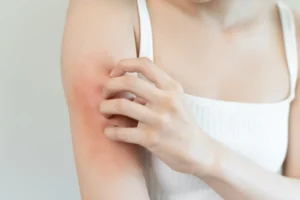
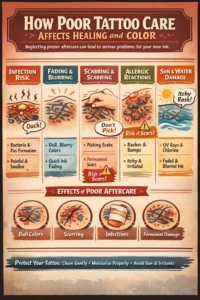
Getting a tattoo is an exciting experience, but many people underestimate the importance of the healing process. Your tattoo isn’t fully yours until the skin has regenerated, and poor aftercare can undo hours of work in minutes. From infection risks to fading colors, a single misstep can leave you with a tattoo you regret. Let’s dive into the most common mistakes people make—and how to avoid them—so your ink stays vibrant and your skin stays healthy.
Ignoring Hygiene Standards – Risk of Bacterial Infection
Your new tattoo is essentially an open wound, which makes hygiene absolutely critical. Skipping gentle cleansing, touching your tattoo with unwashed hands, or using contaminated towels can introduce bacteria, causing redness, swelling, or even serious infections. Imagine investing hours in a stunning piece of artwork, only to watch it develop painful blisters or pus-filled spots because of avoidable hygiene mistakes. Using a high-quality, fragrance-free tattoo soap or antiseptic wash is essential for protecting your skin while promoting natural healing. Many top-rated tattoo soaps on Amazon are specially formulated to remove dirt without stripping natural oils, which supports skin regeneration and preserves ink vibrancy. Maintaining hygiene consistently in the first weeks can be the difference between a tattoo that shines and one that heals unevenly or becomes discolored.
Picking Scabs or Peeling Skin – Causes Pigment Loss and Scars
As your tattoo heals, scabs or flaky skin are inevitable. However, picking, scratching, or peeling these scabs can be catastrophic. Not only does it risk removing pigment, creating uneven patches, but it can also leave permanent scars that ruin the overall design. Think of your tattoo as a delicate canvas: the healing process is the final brushstroke that makes the art complete. The best way to avoid damage is to keep the skin moisturized with a gentle tattoo balm or healing ointment, which reduces itching and provides a protective layer. Products enriched with natural ingredients like shea butter, vitamin E, or coconut oil—many of which are available on Amazon—can calm irritation and speed up healing while preserving the tattoo’s color. Patience during this stage is key: resisting the urge to touch or pick your tattoo is what keeps it looking flawless long-term.
Overusing or Misusing Ointments – Petroleum Jelly and Fragrance-Laden Lotions
While moisturizing is crucial, overdoing it can backfire. Thick creams, petroleum jelly, or scented lotions can suffocate your tattoo, trap bacteria, or irritate sensitive skin, slowing down healing and causing breakouts around your fresh ink. It’s about finding balance: you want to hydrate without creating a wet, sticky barrier that prevents your skin from breathing. Lightweight, fragrance-free tattoo aftercare products are ideal, as they nourish the skin without clogging pores or altering pigment. Many Amazon affiliates offer ointments specifically formulated for new tattoos, often containing natural moisturizers like aloe vera, jojoba oil, or shea butter, which help soothe irritation and maintain vibrant ink. Using the wrong products, or too much of them, can be just as damaging as neglecting your tattoo entirely.
Exposing Tattoo to Sun or Water – Swimming Pools, Hot Tubs, Direct Sunlight Risks
Fresh tattoos are highly sensitive to external elements, and prolonged exposure to sunlight or water can severely compromise healing. Direct sunlight can fade ink in just a few days, while chlorine from swimming pools or hot tubs can irritate the skin and increase infection risk. Imagine enjoying a day at the beach only to notice your intricate new tattoo starting to blur or lose its color. Protecting your tattoo with a broad-spectrum SPF sunscreen or waterproof bandage is essential during the first few weeks. Amazon offers specialized tattoo sunscreens that are gentle on healing skin yet strong enough to prevent fading. By shielding your tattoo from harsh UV rays and water contaminants, you preserve both the design and your skin’s natural healing process, ensuring your new art remains vibrant for years.
Wearing Tight or Irritating Clothing – Friction Can Slow Tattoo Healing
The clothing you wear can make or break your tattoo’s healing journey. Tight or rough fabrics rubbing against your fresh ink can inflame skin, slow regeneration, and even distort intricate details. Picture the frustration of waking up with irritation marks on your carefully designed tattoo simply because your jeans were too tight or your shirt was scratchy. Loose, breathable clothing is your best friend during this period. For additional protection, soft tattoo sleeves, breathable wraps, or gentle cotton fabrics can act as a barrier, minimizing friction and helping your skin heal smoothly. Many Amazon sellers offer tattoo-friendly clothing and protective sleeves designed specifically for new ink, allowing you to go about your day while keeping your tattoo safe. Proper clothing not only prevents damage but also ensures the color and detail of your design remain crisp and eye-catching.
Effects of Bad Tattoo Aftercare
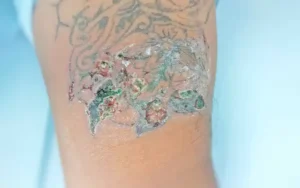
Getting a tattoo is an exciting journey, but the real work begins after you leave the studio. The healing phase is critical—your skin is regenerating, pigment is settling, and any misstep can impact your tattoo’s long-term appearance. Unfortunately, many people underestimate the risks of bad aftercare, and the consequences can be costly, painful, or permanent. Let’s break down the effects of neglecting proper tattoo care and how you can protect your investment while keeping your skin healthy.
Fading or Blurring of Tattoo Color – How Poor Healing Dulls Vibrant Ink
Imagine spending hours sitting through a tattoo session for a bold, colorful design, only to notice your ink looking dull or blurry within weeks. This happens when the natural skin regeneration process is disrupted. Overexposure to sunlight, skipping gentle cleansing, or using harsh creams can strip pigment from the skin before it fully settles. To avoid this, investing in color-preserving tattoo balms or creams is a must. Many Amazon options are enriched with vitamins, natural oils, and skin-repairing ingredients that lock in pigment while promoting healthy healing. These products are designed to keep your tattoo crisp, your colors vibrant, and your skin hydrated during the critical first weeks. A simple routine with the right aftercare products can ensure your tattoo looks as stunning months and years later as it did on day one.
Delayed Healing or Prolonged Redness – When Improper Care Slows Recovery
A poorly cared-for tattoo doesn’t just look worse—it can take longer to heal. Delayed healing often presents as redness, swelling, or persistent irritation that can last for weeks. This discomfort can be both frustrating and risky, as inflamed skin is more susceptible to infections. Using lightweight, healing-focused tattoo ointments with soothing ingredients like aloe vera, shea butter, or vitamin E can reduce inflammation and accelerate recovery. Amazon carries many dermatologist-recommended options that support your skin’s natural repair process. By integrating these into your aftercare routine, you’ll help your tattoo heal evenly, reduce prolonged redness, and enjoy the process without unnecessary stress or itching.
Allergic Reactions – How Unsafe Products Can Irritate Your Skin
Not all lotions or creams are safe for freshly tattooed skin. Fragrances, parabens, and artificial dyes can trigger allergic reactions, resulting in rashes, swelling, or prolonged itching. This not only makes your tattoo experience uncomfortable but can also compromise the pigment and overall healing. The solution is simple: choose hypoallergenic, fragrance-free tattoo care products that calm inflammation and nourish your skin. Many Amazon products are formulated with natural ingredients like coconut oil, chamomile, and jojoba, providing safe hydration while preventing allergic reactions. Safe products protect both your skin and your investment in artwork, giving you peace of mind while your tattoo heals beautifully.
Infection Signs – Avoiding Pus, Odor, and Increased Redness
Fresh tattoos are highly prone to infections if neglected. Signs like pus, foul odor, or worsening redness indicate your tattoo is struggling. Ignoring these early warnings can cause permanent skin damage and ruin your design. Preventing infection requires consistent hygiene: gentle tattoo soaps, antibacterial ointments, and breathable wraps are all essential tools for protection. Amazon offers a wide range of tattoo-safe antiseptics and healing gels that help reduce bacteria, promote healing, and maintain skin hydration. With the right products in your toolkit, you can keep your tattoo infection-free and vibrant, avoiding unnecessary medical visits or costly touch-ups.
Permanent Scarring or Damaged Pigment – Protecting Your Long-Term Appearance
The scariest consequence of poor aftercare? Permanent damage. Picking scabs, scratching irritated skin, or using unsuitable products can leave lasting scars or blotchy pigments. Your once-perfect design may never fully recover. High-quality tattoo healing balms, protective sleeves, and soft clothing can prevent friction, over-moisturization, and pigment loss, preserving your tattoo exactly as intended. Many Amazon products are specifically designed for sensitive, healing skin, letting you protect your tattoo while going about daily activities. Prioritizing your tattoo during the critical healing phase ensures long-term beauty, sharp lines, and vibrant colors that last a lifetime.
Why Tattoo Aftercare Matters
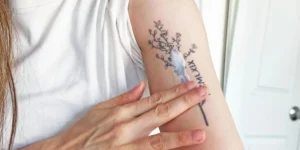
Getting a tattoo is more than just a style choice—it’s a permanent expression of your personality, creativity, and personal story. Each design represents hours of artistry, careful planning, and sometimes a significant investment. But even the most intricate, vibrant tattoo can lose its luster if not properly cared for during the crucial healing period. Proper tattoo aftercare is not just a minor detail—it’s the bridge between getting your tattoo and preserving it as a lasting work of art. By following expert-recommended routines and using safe, high-quality products, you ensure your ink heals smoothly, stays vibrant, and your skin remains healthy.
Understanding the Skin Regeneration Process
When a tattoo is freshly done, tiny needles deposit pigment into the dermis, the second layer of your skin. This creates a controlled injury that triggers the body’s natural skin regeneration process. Your skin works hard to repair itself, producing new cells and locking in the pigment. Neglecting this healing process by skipping cleaning, scratching scabs, or using harsh products can slow recovery, lead to infections, or cause uneven pigment retention. Using gentle, fragrance-free tattoo soaps and healing balms—many available on Amazon—helps your skin regenerate properly while preserving the ink. This simple daily habit lays the foundation for long-term vibrancy and crisp details.
Protecting Pigment Retention
Pigment retention is one of the most critical reasons tattoo aftercare matters. A tattoo is essentially a fresh painting on your skin, and if the pigment isn’t protected during healing, it can blur, fade, or become patchy. Overexposure to the sun, chlorine, or harsh lotions can strip color before it fully sets. Investing in color-preserving tattoo creams and ointments creates a protective layer that locks in pigment while nourishing the skin. Products enriched with natural oils, vitamin E, and soothing ingredients like shea butter or aloe vera ensure your tattoo remains vivid while reducing irritation. Proper pigment care is also an affordable way to prevent costly touch-ups in the future, keeping your tattoo looking as sharp as the day it was created.
Preventing Infection and Skin Damage
Beyond aesthetics, proper aftercare is essential for preventing infections and skin damage. Fresh tattoos are essentially open wounds, making them vulnerable to bacteria, dirt, and friction. Ignoring hygiene, using scented lotions, or exposing your tattoo to dirty water can lead to redness, swelling, pus, and sometimes permanent scarring. Incorporating tattoo-safe antibacterial soaps, protective wraps, and healing ointments into your routine provides a safe environment for your skin to recover. Many of these products are available on Amazon and are formulated specifically for sensitive, healing skin, giving your tattoo the best chance to stay infection-free and vibrant.
Long-Term Benefits of Expert-Approved Aftercare
Professional-approved aftercare doesn’t just help in the first few weeks—it sets the foundation for long-term tattoo health. Beyond initial healing, ongoing care helps your tattoo maintain its sharp lines, bold colors, and smooth texture for years. Moisturizing regularly, protecting from UV rays, and preventing friction from clothing ensures that your tattoo continues to look stunning over time. High-quality tattoo sunscreens, balms, and protective clothing—readily available on Amazon—make it easy to integrate these habits into daily life. Following a consistent, safe aftercare routine ensures your tattoo remains a source of pride, a reflection of your personality, and a beautiful piece of art that lasts a lifetime.
Recommended Aftercare Routine for Your New Tattoo
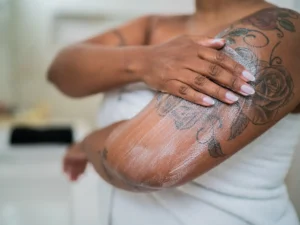
Getting a tattoo is a deeply personal experience, a permanent expression of who you are, and your skin deserves the kind of care that preserves both its health and the vibrancy of your artwork. The way you care for your tattoo in the first few weeks can make a dramatic difference in how it looks years down the line. Proper aftercare isn’t just about avoiding infection—it’s about giving your skin the best chance to regenerate naturally, ensuring that your tattoo maintains crisp lines, bold colors, and smooth texture.
Gentle Cleaning: The Foundation of Tattoo Healing
One of the most crucial steps is gentle and consistent cleaning. When you remove the protective covering after your session, your tattoo is essentially an open wound, and the skin around it is extremely sensitive. Using lukewarm water and a fragrance-free antibacterial soap, you should softly cleanse the area with your fingertips, carefully removing any residue of ink, plasma, or scabbing without causing trauma to the skin. Avoid rough cloths, scrubbing, or harsh chemicals as they can irritate the skin, slow down the healing process, and even lead to scarring or pigment loss. Regular, gentle cleaning not only prevents bacterial infections but also promotes a natural skin regeneration process, keeping the ink vibrant and the surrounding skin healthy.
Moisturizing and Ointments: Nourishing Your Ink
Equally important is the application of safe moisturizers and healing ointments. Your tattoo needs hydration to prevent excessive dryness and peeling, which can crack the skin and cause ink to fade unevenly. Lightweight, fragrance-free lotions or specially formulated tattoo aftercare balms work best, locking in moisture while allowing the skin to breathe. Products containing natural ingredients like shea butter, aloe vera, and vitamin E are particularly effective because they soothe irritation and support the skin’s healing without clogging pores or causing allergic reactions. Many tattoo enthusiasts find that using a thin layer of healing ointment in the first few days and switching to a gentle lotion afterward ensures optimal moisture balance, preventing itchy or flaky skin that can damage your new tattoo. Amazon offers a wide range of trusted tattoo aftercare options that are dermatologist-tested, designed specifically to accelerate healing, and safe for sensitive skin, making it easy to incorporate into your daily routine without hassle.
Monitoring for Healing Complications: Stay Ahead of Problems
Monitoring your tattoo for early signs of infection or healing complications is another essential part of the routine. While some redness, mild swelling, or tenderness is normal immediately after getting inked, prolonged redness, pus, strong odor, or increasing pain can indicate a bacterial infection or allergic reaction. Paying attention to these signs allows you to act quickly, whether that means adjusting your aftercare routine or seeking advice from a dermatologist or professional tattoo artist. Keeping a gentle eye on your tattoo every day, observing changes in color, texture, and scab formation, ensures that you catch problems before they become serious, safeguarding both your health and your tattoo’s appearance. Using safe aftercare products that protect against bacteria while supporting natural skin regeneration gives you confidence that your tattoo is healing properly and staying vibrant.
Protecting Your Tattoo: Friction and Sun Exposure
Finally, protecting your tattoo from friction and harmful UV exposure is key to maintaining its long-term appearance. Clothing that rubs against your tattoo, excessive sweating, and direct sunlight can all accelerate fading and irritation during the critical healing period. Loose, breathable fabrics are ideal for preventing unnecessary friction, while applying a tattoo-safe sunscreen after the tattoo is fully healed protects the pigment from sun damage. Avoid swimming in pools, hot tubs, or natural bodies of water until your tattoo has fully healed, as these environments can introduce bacteria and disrupt the delicate healing process. Investing in high-quality tattoo care products available on Amazon, including fragrance-free moisturizers, antibacterial cleansers, and SPF-rated lotions designed for sensitive skin, ensures your new artwork stays as bold, sharp, and radiant as the day it was created.
By integrating gentle cleaning, proper hydration, attentive monitoring, and protective habits into your routine, you give your tattoo the best chance to heal beautifully and last a lifetime, turning your new ink into a lasting masterpiece you’ll be proud to show off.
FAQs
What are the most common tattoo aftercare mistakes?
Many people make the mistake of neglecting proper hygiene, skipping regular gentle cleaning, or using harsh soaps that irritate the sensitive skin of a new tattoo. Over-applying ointments or using fragranced lotions can clog pores and cause allergic reactions, while picking at scabs or peeling skin prematurely can permanently damage the pigment and create scars. Other common mistakes include exposing the tattoo to direct sunlight, swimming pools, hot tubs, or tight clothing too soon, all of which can lead to fading, infections, and prolonged healing. Following your tattoo artist’s aftercare instructions is essential to avoid these issues and ensure your tattoo heals beautifully.
How does poor aftercare affect tattoo color and longevity?
Improper tattoo aftercare can dramatically reduce both the vibrancy and the lifespan of your ink. Dry, peeling, or infected skin can cause uneven fading, loss of pigment, or distorted lines. Sun exposure without protection accelerates color breakdown, making your tattoo appear dull within months. Friction from tight clothing, scratching, or constant rubbing can blur fine details and damage the design. Even minor infections can leave permanent scarring that alters the artwork. Maintaining a consistent aftercare routine with safe products and proper protection is key to keeping your tattoo crisp, bright, and long-lasting.
Can picking scabs permanently damage a tattoo?
Yes, picking or peeling scabs is one of the fastest ways to ruin a new tattoo. Scabs are part of the natural skin regeneration process, protecting your ink as the skin heals. Removing them prematurely can tear the delicate skin, remove pigment, create uneven textures, and leave permanent scars that distort the original design. Instead, it’s best to let scabs fall off naturally while keeping the area moisturized and clean. Avoiding this mistake ensures your tattoo heals evenly and retains vibrant colors.
What products should I avoid on a new tattoo?
On a fresh tattoo, you should avoid heavily fragranced lotions, petroleum-based products not recommended by your tattoo artist, alcohol-based cleansers, harsh scrubs, and any ointments containing artificial dyes or chemicals. These products can irritate the skin, trigger allergic reactions, clog pores, and delay healing. Swimming in pools or using hot tubs introduces bacteria, and even some over-the-counter creams can negatively interact with the healing process. Sticking to fragrance-free, gentle moisturizers, tattoo-specific aftercare balms, and dermatologist-approved cleansers is the safest approach.
How do I know if my tattoo is infected?
A tattoo infection usually presents as prolonged redness, swelling, unusual warmth, or a persistent burning sensation beyond the first few days. You may notice pus, an unpleasant odor, or worsening pain around the tattooed area. While some minor irritation is normal, infections require prompt attention from a healthcare professional. Ignoring these signs can lead to serious complications, including permanent scarring or pigment loss. Following strict hygiene practices, using antibacterial cleansers, and monitoring the healing process closely can prevent infection and keep your tattoo vibrant.
How long does proper tattoo healing take?
Tattoo healing generally takes between two to four weeks for the surface skin to recover, but complete healing below the surface can take up to three months. Factors like tattoo size, placement, ink density, skin type, and aftercare routine affect healing time. During this period, proper cleaning, moisturization, and protection from friction and UV exposure are essential. Avoiding scratching or peeling scabs and using safe aftercare products ensures the skin regenerates smoothly and preserves the tattoo’s color and detail over time.
Can allergies affect tattoo healing?
Yes, allergies can significantly impact tattoo healing. Some people react to certain pigments, ointments, or fragrances in lotions, causing rashes, swelling, redness, or prolonged irritation. Even seemingly mild allergic reactions can slow healing, increase discomfort, and sometimes lead to permanent scarring or uneven fading. Using hypoallergenic, fragrance-free products and testing small amounts before applying anything over the tattoo can minimize allergic reactions and support healthy, vibrant healing.
What should I do if my tattoo starts peeling excessively?
Excessive peeling is a natural part of the tattoo healing process, but it can indicate dehydration or improper aftercare if it becomes extreme. Avoid picking or scratching the peeling skin, and continue to apply a gentle, fragrance-free moisturizer to prevent cracking. Over-moisturizing or using thick, sticky ointments can worsen peeling by trapping bacteria. Monitoring your tattoo during this phase ensures that pigment is not lost and the design heals evenly while maintaining bright, sharp lines.
Is it safe to shower or bathe with a new tattoo?
Yes, but with caution. Short, lukewarm showers are recommended, while prolonged soaking in hot tubs, pools, or baths should be avoided. Excess moisture can soften scabs and increase the risk of bacterial infection or pigment loss. Use gentle, fragrance-free soap, and avoid rubbing the tattoo. After washing, pat the area dry with a clean, soft towel and apply a thin layer of moisturizer. Proper hygiene during showers ensures safe healing and protects your tattoo’s longevity.
How does sun exposure affect a healing tattoo?
Direct sunlight during the healing phase can be extremely damaging. UV rays break down ink pigments, causing fading, blurring, or discoloration. Sun exposure can also dry out the skin and increase irritation, which slows down the skin regeneration process. It’s essential to keep a new tattoo covered or wear loose clothing to shield it from sunlight. After full healing, applying a high SPF, tattoo-safe sunscreen prevents long-term fading and preserves vibrancy.
Can poor diet or hydration affect tattoo healing?
Absolutely. Proper nutrition and hydration are often overlooked but are critical for tattoo healing. Drinking plenty of water keeps the skin supple, while a diet rich in vitamins, minerals, and proteins supports collagen production and tissue repair. Deficiencies or dehydration can lead to dry, flaky skin, delayed healing, and increased scabbing, which can compromise pigment retention. Maintaining a healthy lifestyle alongside proper topical care ensures your tattoo heals beautifully.
Are some areas of the body more prone to healing problems?
Yes, areas with more friction, thinner skin, or less blood flow, such as elbows, knees, hands, and feet, are more prone to healing complications. These locations are more likely to scab heavily, peel excessively, or develop irritation from clothing and movement. Extra care is required, including gentle cleansing, consistent moisturization, and avoiding tight clothing or strenuous activity that can rub against the tattoo. Following these precautions helps maintain pigment quality and prevents scarring in sensitive areas.
Can tattoos get infected from touching or scratching?
Touching a new tattoo with unwashed hands or scratching due to itching can introduce bacteria, leading to infection and prolonged redness or swelling. Even minor irritation from friction or scratching can remove scabs and pigment, resulting in uneven color or scarring. It’s crucial to keep hands clean, avoid unnecessary contact, and resist scratching. Safe aftercare routines and protective clothing are key strategies for preventing these common healing setbacks.
What role do moisturizers play in tattoo healing?
Moisturizers keep the tattoo hydrated, reduce itching, prevent excessive peeling, and support the skin regeneration process. Using fragrance-free, non-comedogenic lotions or tattoo-specific balms ensures the skin remains supple while allowing natural healing. Over-moisturizing or using heavy, sticky ointments can trap bacteria and slow healing, while under-moisturizing can dry the skin and cause scabs to crack, potentially removing pigment. Consistent, proper moisturization is one of the most important steps for achieving vibrant, long-lasting ink.
How can I ensure my tattoo looks its best long-term?
Beyond proper cleaning and moisturization, long-term tattoo maintenance includes protecting the skin from sun exposure, avoiding harsh chemicals, keeping the area hydrated, and following any specific guidance from your tattoo artist. Regularly monitoring your tattoo for signs of irritation, infection, or fading allows you to address issues early. Using high-quality, tattoo-safe skincare products and practicing gentle care routines ensures your tattoo remains sharp, colorful, and vibrant for years, making your investment in body art truly worthwhile.
Conclusion
Bad tattoo aftercare can result in fading, infections, delayed healing, and even permanent damage to your ink. Following a professional-approved aftercare routine and using safe, tattoo-friendly products ensures your artwork heals beautifully. Prioritizing hygiene and gentle care keeps your tattoo vibrant, long-lasting, and a true reflection of your style.