
That buzzing sound of the tattoo machine can be exciting — until you remember the pain. If you’ve been scrolling late at night searching for tattoo numbing cream instructions, chances are you’re feeling a mix of excitement and anxiety. Tattoo pain is completely normal, especially for first-timers or anyone getting inked on sensitive areas like the ribs, spine, ankle, collarbone, or inner arm. These spots have thinner skin and more nerve endings, which can make the tattooing process feel more intense. It’s no surprise that more people are looking for safe ways to reduce discomfort without compromising healing or ink quality. That’s where understanding the correct use of topical anesthetic creams becomes essential.
Table of Contents
ToggleUsing a tattoo numbing cream the right way can significantly improve your tattoo experience — but improper application can affect skin absorption, pigment retention, and even the healing process. From choosing a lidocaine-based numbing cream to knowing how long to leave it on before your session, every step matters. In this guide, we’ll walk through professional, step-by-step tattoo numbing cream instructions, including skin preparation, timing, wrapping techniques, and safety precautions. Whether you’re preparing for your first tattoo or planning a large session, learning how to properly numb the skin can help you stay calm, comfortable, and confident in the chair.

If you’ve ever felt nervous about sitting through a long tattoo session, you’re not alone. The excitement of new ink often comes with one big question: how much is this going to hurt? That’s exactly why tattoo numbing cream has become one of the most searched solutions for tattoo pain management. A tattoo numbing cream is a topical anesthetic cream designed to temporarily reduce discomfort by dulling the skin’s pain response before and during a tattoo session. Instead of trying to “tough it out,” many people now use a lidocaine tattoo cream to make the experience more comfortable—especially for sensitive areas like the ribs, spine, or ankle.
How Tattoo Numbing Cream Reduces Pain at the Source
To understand why a pain-free tattoo cream works, it helps to know what’s happening beneath your skin. When a tattoo needle punctures the surface, it triggers tiny pain signals that travel through your nerves to your brain. These signals rely on sodium channels inside nerve cells to transmit electrical impulses. Active ingredients such as Lidocaine, Prilocaine, Benzocaine, and Tetracaine act as nerve signal blockers by temporarily blocking those sodium channels. When sodium movement is restricted, nerve signal transmission slows down, and the brain receives fewer pain messages. The result is temporary skin numbness that makes the tattoo process significantly more tolerable without affecting deeper tissues.
Why Lidocaine Tattoo Cream Is the Most Recommended Option
Among all local anesthetic for skin options, Lidocaine remains the most widely used and trusted ingredient. It is commonly used in medical and dental settings, which gives many buyers confidence when choosing a product on Amazon. A high-quality lidocaine tattoo cream typically begins working within 20 to 60 minutes when applied correctly and covered to enhance absorption. This fast-acting relief helps reduce sharp stinging sensations and continuous burning during shading sessions. For first-time clients or those booking long appointments, choosing a well-reviewed topical anesthetic cream can make the difference between a stressful session and a calm, controlled experience.
Ingredient Combinations and Strength Levels Explained
Some advanced formulas combine Lidocaine with Prilocaine or Tetracaine to enhance effectiveness and extend numbing duration. These combinations can provide stronger surface anesthesia and longer-lasting comfort. However, stronger does not always mean safer. When shopping for a pain-free tattoo cream, it’s important to check ingredient percentages, follow dosage guidelines, and read verified reviews. Reliable brands clearly state concentration levels and usage instructions, which is essential for safe tattoo preparation.
What “Temporary Numbness” Really Means
It’s important to have realistic expectations. Even the best topical anesthetic cream won’t remove all sensation. Instead, it reduces intensity by dulling sharp pain, minimizing irritation, and making repetitive needle passes easier to tolerate. Depending on your skin type, body placement, and product strength, numbness typically lasts one to three hours. That window is often enough to complete linework or get through the most sensitive stages of your tattoo. For longer sessions, proper timing and reapplication guidance are key to maintaining consistent comfort.
Why Understanding the Science Helps You Choose Better on Amazon
Many products claim to be the “strongest tattoo numbing cream,” but understanding the mechanism behind local anesthetics helps you shop smarter. Knowing that these creams work by blocking sodium channels and reducing nerve signal transmission allows you to focus on ingredients that are clinically recognized rather than marketing hype. When browsing Amazon, look for clear labeling, appropriate lidocaine concentration, detailed instructions, and authentic customer feedback. Choosing a trusted lidocaine tattoo cream based on science—not just bold claims—can improve your overall tattoo experience and help you sit confidently through your session.
Tattoo numbing cream isn’t about avoiding the tattoo journey; it’s about managing discomfort responsibly. With the right topical anesthetic cream and proper application, you can transform a nerve-wracking appointment into a far more comfortable and controlled experience while still enjoying the art and meaning behind your new ink.
Who Should (and Shouldn’t) Use Numbing Cream?
Deciding whether to use tattoo numbing cream isn’t just about avoiding pain — it’s about knowing your skin, your health, and your comfort level. While a high-quality sensitive skin numbing cream can make long sessions easier, it’s not the right choice for everyone. Understanding who benefits most — and who should be cautious — helps you shop smarter on Amazon and avoid unnecessary risks.
Who Should Consider Using Numbing Cream?
If you’re getting tattooed in a high-pain area like the ribs, spine, ankle, or elbow, a topical anesthetic can significantly improve your experience. First-time clients, people with low pain tolerance, or those booking multi-hour sessions often find that a well-reviewed numbing cream reduces anxiety and allows them to sit still more comfortably. When your body is relaxed, your tattoo artist can work more precisely, which may even improve the final outcome.
If you have sensitive skin, choosing a sensitive skin numbing cream with clear ingredient labeling and moderate strength can be helpful. However, even gentle formulas require a patch test before use. Applying a small amount to a discreet area 24 hours before your appointment helps identify potential allergic reaction symptoms such as redness, swelling, itching, or burning. Taking this small precaution can prevent major discomfort on tattoo day.
Who Should Avoid or Be Cautious?
Not everyone should use numbing cream without careful consideration. Individuals with a history of Allergic reaction to local anesthetics must be especially careful. Signs of an allergic response can include rash, hives, excessive swelling, or difficulty breathing. If you’ve reacted to numbing agents before, a medical consultation before tattoo is strongly recommended.
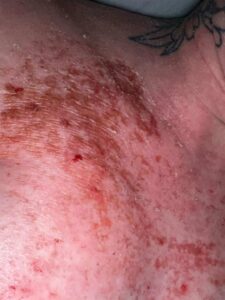
People with chronic skin conditions or highly reactive skin may also face a higher skin irritation risk. Applying numbing cream on broken, inflamed, or already irritated skin can worsen the condition and delay healing. Mild redness is common, but persistent burning or severe inflammation could indicate Skin irritation that requires attention.
Pregnancy precautions are another important consideration. While many over-the-counter products are widely available, expecting mothers should always consult a healthcare professional before using topical anesthetics. Guidelines from regulatory bodies such as the U.S. Food and Drug Administration emphasize proper usage, dosage limits, and safety awareness when applying lidocaine-based products.
Why Responsible Use Matters (Especially When Buying Online)
When browsing Amazon for tattoo numbing cream, it’s easy to focus on bold claims like “maximum strength” or “longest lasting.” But safety should always come first. Look for products that clearly list active ingredients, provide dosage instructions, and recommend performing a patch test before use. Verified customer reviews that mention sensitive skin experiences can also provide valuable insight.
Using numbing cream responsibly isn’t about eliminating pain at all costs — it’s about improving comfort without compromising your health. If you’re generally healthy, not pregnant, and have no history of allergic reaction symptoms, a carefully chosen product can make your tattoo session far more manageable. If you have medical concerns, taking the extra step for professional advice ensures you enjoy your new ink safely and confidently.
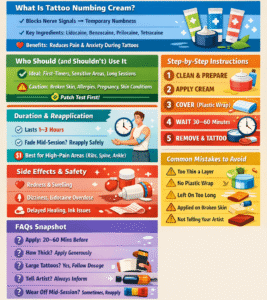
Step-by-Step Tattoo Numbing Cream Instructions
Getting a tattoo can be thrilling, but let’s be honest—the thought of needles can make anyone tense up. Using a high-quality tattoo numbing cream not only helps reduce discomfort but also lets you enjoy the experience without constant pain distraction. Follow this step-by-step guide to maximize your comfort, ensure safety, and choose the right products when shopping on Amazon.
Step 1 – Clean and Prepare the Skin
The first step in any pain-free tattoo experience is proper pre-tattoo skin preparation. Start by gently shaving the area before tattoo, but take care to avoid nicks or cuts. Hair can block the cream from absorbing fully, so a clean surface is key. Next, wash the area with antibacterial soap to remove dirt, oils, and sweat. This ensures the skin is ready for the anesthetic and helps prevent potential irritation or infection. Finally, make sure to dry skin completely—even a little moisture can reduce absorption. Taking these simple steps may only take a few minutes, but they significantly boost the cream’s effectiveness, ensuring your session starts on the right foot and with minimal discomfort.
Step 2 – Apply a Thick Layer (Do Not Rub In)
Once your skin is clean and dry, it’s time to apply the numbing cream. Use a thick layer, gently spreading it over the tattoo area without rubbing it in. Rubbing can reduce the cream’s ability to sit on the skin surface, which slows absorption. Stick to the proper dosage guidelines recommended by the manufacturer, and use a safe numbing cream amount—more doesn’t necessarily mean better. When shopping on Amazon, always check the product description and verified customer reviews for clear instructions on usage and dosage. Applying the cream correctly ensures that the active ingredients penetrate evenly, reducing pain in sensitive spots while keeping the process safe for your skin.
Step 3 – Use the Occlusive Dressing Method
For maximum effectiveness, cover the applied cream with plastic wrap using the cling wrap technique, also known as the occlusion method. This step may feel simple, but it’s crucial. The wrap traps heat and moisture, helping your skin absorb the anesthetic faster and more thoroughly. It also prevents the cream from rubbing off on clothing or other surfaces, ensuring consistent results. By increasing numbing cream absorption time, you allow the active ingredients to reach peak effectiveness right when your session starts. Many Amazon users report that combining a trusted numbing cream with the occlusion method transforms their tattoo experience, especially in high-pain areas like ribs, ankles, or elbows.
Step 4 – Wait 30–60 Minutes
Patience is key. After applying and wrapping the cream, let it work for 30–60 minutes. The onset time of numbing cream varies depending on your skin type, thickness, and the formula, but during this window, the anesthetic gradually penetrates the skin for maximum effect. The peak numbing effect usually occurs at the end of this period, providing you with a strong, consistent barrier against pain. This is also the perfect time to mentally prepare, double-check your tattoo design, or chat with your artist about final placement. Using a fast-acting tattoo anesthetic properly ensures that the discomfort is minimized from the very first needle stroke.
Step 5 – Remove and Start Tattoo Session
Once the waiting period is over, carefully wipe excess cream from your skin using a clean cloth or tissue. Make sure the area is dry and free of residue before your tattoo artist begins. Proper pre-session timing is essential; it ensures the skin is ready for ink application without interference from leftover anesthetic. Following these steps not only makes the process more comfortable but also helps your tattoo artist work more efficiently, as relaxed skin allows for smoother lines and shading. By taking these precautions, you transform what could be a stressful experience into a calm, manageable session, giving you confidence and comfort from start to finish.

How Long Does Tattoo Numbing Cream Last?
One of the most common concerns for anyone using tattoo numbing cream is understanding exactly how long the numbing effect will last. Knowing the duration of pain relief is essential, especially if you’re preparing for a multi-hour session or planning a tattoo in high-pain tattoo areas like the ribs, spine, or ankle. The last thing you want is to start a session feeling comfortable only to have the numbing effect fade halfway through. Understanding the skin numbing duration allows you to plan ahead, choose the right product, and even decide whether a reapplication might be necessary.
Factors That Affect Numbing Duration
The length of time a cream keeps your skin numb can vary based on several factors. Body location is one of the biggest variables. Areas with thinner skin and more nerve endings, such as the ribs, inner wrist, or ankle, tend to feel the needle sooner, even with a high-quality lidocaine tattoo cream. Thicker skin areas, like the upper arm or thigh, may maintain the numbing effect longer because the anesthetic penetrates gradually over a wider surface.
Your skin type also plays a role. Oily skin can sometimes reduce absorption, causing a shorter duration of numbness, while dry or normal skin may allow the anesthetic to penetrate more efficiently and last longer. The concentration and type of active ingredients in your cream, as well as the application method—like using the occlusive dressing technique—can also impact effectiveness. High-quality products sold on Amazon often provide expected duration ranges, typically lasting anywhere from 1 to 3 hours per application, depending on these factors.
Managing Fading Numbness Mid-Session
Even with a strong topical anesthetic, it’s common to experience fading numbness mid-session, especially during long appointments or when tattooing sensitive areas. Some artists recommend a carefully timed second application if your session will exceed the cream’s peak effect. This ensures that your skin remains comfortable throughout the process without overusing the product. Choosing creams that provide clear instructions on reapply during long tattoo session is essential. These instructions help you safely extend numbness while maintaining the skin’s health, which is especially important for first-time users or those tackling intricate designs.
Planning Your Tattoo Session With Numbing Cream
Understanding how long your pain-free tattoo cream will last allows you to coordinate with your tattoo artist, plan breaks, and minimize discomfort. It also reduces involuntary movements caused by pain, which helps your artist work more precisely and can improve the overall quality of your tattoo. By investing in a well-reviewed, high-quality lidocaine cream from Amazon, you’re not just buying comfort—you’re ensuring safety, reliability, and a more enjoyable tattoo experience from start to finish.
Side Effects and Safety Precautions
Using a tattoo numbing cream can make your tattoo session far more comfortable, but it’s important to remember that, like any topical anesthetic, these products come with potential risks if used incorrectly. Understanding tattoo numbing cream side effects ensures you can enjoy a pain-reduced session safely while protecting your skin and the quality of your ink.
Common Side Effects
Most users experience minimal side effects when following product guidelines, but some mild reactions can occur. You might notice redness and swelling around the area, or a temporary burning sensation shortly after application. These are generally normal signs that the skin is reacting to the active ingredients and usually fade within an hour. However, if these symptoms persist or worsen, it could indicate that the cream is too strong for your skin or that it was left on for too long. Some people may also experience dizziness after application, particularly if they absorb too much anesthetic through the skin. This is more likely with high-strength creams or sensitive individuals, highlighting the importance of following proper dosage guidelines and choosing a trusted, high-quality product from Amazon.
Serious Risks and Rare Complications
Although rare, serious side effects can occur with overuse or misuse of tattoo numbing creams. Lidocaine overdose symptoms can include severe dizziness, blurred vision, irregular heartbeat, or even fainting. Another uncommon but serious condition is methemoglobinemia risk, where the blood’s ability to carry oxygen is temporarily reduced. Both situations are preventable by sticking to recommended dosages, avoiding broken skin, and not exceeding the cream’s suggested application time. Always read the product label carefully and ensure the cream is from a reputable Amazon seller with clear ingredient information and user reviews.
Overuse and Its Impact on Tattoo Healing
Using too much numbing cream or leaving it on too long can affect more than just your comfort—it can interfere with ink retention and delay healing. Excess anesthetic may increase skin irritation, making your body more prone to delayed tattoo healing. In extreme cases, it can even cause the ink to spread or fade unevenly, impacting the final quality of your tattoo. By applying the correct safe numbing cream amount, following occlusion instructions, and timing your application properly, you can protect both your skin and your tattoo investment.
Choosing Safe and Reliable Products
For first-timers and experienced tattoo enthusiasts alike, selecting a trusted product from Amazon with clear directions and verified customer reviews is critical. Look for creams that specify lidocaine concentration, provide detailed safety precautions, and include tips for sensitive skin. Following these guidelines ensures that your tattoo session is as comfortable, safe, and worry-free as possible while protecting your skin and preserving your ink.
By understanding potential side effects, adhering to recommended usage, and choosing high-quality products, you can confidently use tattoo numbing cream to enhance your session without compromising safety or results.
Common Mistakes to Avoid
Using tattoo numbing cream can make a huge difference in comfort, but even small mistakes can reduce effectiveness or cause skin irritation. Understanding common mistakes to avoid ensures you get the full benefits of your pain-free tattoo cream while protecting your skin and maintaining ink quality.

Applying Too Thin a Layer
One of the most frequent errors is applying too thin layer of numbing cream. Many people think that less is safer, but a thin coating won’t penetrate the skin properly, leaving you with patchy numbness or minimal relief. For best results, apply a generous, even layer as instructed by the product label. This allows the active ingredients, like lidocaine or prilocaine, to absorb fully into the skin and provide consistent pain reduction throughout your session. When browsing Amazon, look for creams that clearly indicate recommended thickness for application—this ensures you’re getting maximum value and effectiveness.
Not Using Plastic Wrap
Skipping the plastic wrap step, also called the occlusion method, is another common mistake. Covering the cream traps heat and moisture, which enhances absorption and boosts the numbing cream absorption time. Without this step, the cream may not fully penetrate the skin, reducing its effectiveness. Using cling wrap properly prevents the cream from rubbing off on clothes while ensuring your skin is fully prepared for even, consistent numbing. Many top-rated Amazon creams include detailed instructions for this step—following them can make a noticeable difference in comfort during your tattoo session.
Leaving Cream on Too Long
Timing is everything. Leaving cream on too long doesn’t necessarily increase effectiveness—it can actually cause irritation, redness, or a burning sensation. Overexposure can also increase the risk of minor side effects like dizziness or, in rare cases, lidocaine toxicity. Always follow the product’s recommended application time and remove the cream before starting your session. Using a timer can be a simple way to ensure you don’t accidentally overdo it, giving you safe and reliable results every time.
Applying on Broken Skin
Applying numbing cream on broken, scratched, or irritated skin is a common but serious mistake. This can cause stinging, prolonged redness, and delayed tattoo healing. It can also lead to uneven absorption, which affects comfort and may interfere with ink retention. Always inspect the area carefully before application and avoid using numbing cream on areas with cuts, acne, or open wounds. High-quality Amazon creams often include warnings to apply only on intact skin for this reason.
Not Informing Your Tattoo Artist
Many beginners make the mistake of not informing their tattoo artist that they’ve applied numbing cream. Your artist needs to know to adjust techniques slightly, as numbing cream can slightly affect skin texture or ink absorption. Open communication ensures a smoother session and prevents any misunderstandings, improving both safety and final tattoo quality.
Improper Occlusion Risks
Finally, incorrect occlusion—or improper occlusion risks—can also reduce effectiveness. Wrapping too tightly can cause skin irritation, while wrapping too loosely may allow the cream to rub off, reducing its effect. Following the manufacturer’s instructions ensures that the occlusive dressing method works as intended, giving you a consistent numbing effect while protecting your skin.
Avoiding these common mistakes maximizes the comfort, safety, and effectiveness of your tattoo numbing cream. By choosing a high-quality, well-reviewed product from Amazon, following instructions carefully, and communicating with your tattoo artist, you can enjoy a pain-reduced, stress-free tattoo experience while protecting both your skin and your new ink.
FAQs
When should I apply numbing cream before a tattoo?
Applying your numbing cream at the right time is essential for maximum effectiveness. Most high-quality creams work best when applied 20–60 minutes before your tattoo session, depending on skin thickness and product strength. Using the occlusive dressing method during this period helps the cream penetrate the skin evenly and reach peak effectiveness by the time your artist starts. Planning your timing ensures pain-free comfort throughout the session, especially for high-pain tattoo areas like ribs, spine, or ankles.
How thick should numbing cream be applied?
Applying too little can reduce effectiveness, while too much can cause irritation. For most lidocaine-based tattoo numbing creams, a generous, even layer that covers the entire tattoo area is recommended. Avoid rubbing it in—letting it sit on the surface ensures maximum absorption. Many top-rated Amazon creams include clear thickness guidelines, helping you apply the correct amount safely and effectively. Following these instructions ensures consistent numbness and a more comfortable session.
Is lidocaine safe for large tattoos?
Yes, lidocaine is generally safe for larger tattoos, but dosage and timing are key. For extensive areas, break the surface into sections and apply the cream evenly, following the manufacturer’s recommended maximum dosage. Avoid applying too much at once, as overuse can increase the risk of side effects like redness, dizziness, or lidocaine overdose symptoms. Choosing a reputable, well-reviewed product from Amazon ensures safety and reliable pain relief even for long, detailed sessions.
Can I use numbing cream without telling my tattoo artist?
It’s strongly recommended to inform your tattoo artist whenever you use numbing cream. The cream can slightly affect skin texture and ink absorption, so letting your artist know allows them to adjust techniques for smooth, consistent lines and shading. Clear communication ensures your session runs efficiently, reduces mistakes, and protects your ink’s final quality. Many experienced tattoo artists are familiar with lidocaine-based creams and can advise on the best application timing and method.
Does numbing cream wear off mid-session?
Yes, depending on skin type, location, and session length, numbness can start to fade mid-session. For longer tattoos, many creams allow a carefully timed reapplication to maintain comfort. Following the cream’s instructions, and selecting products that specify safe reapply timing, ensures your skin remains numbed without exceeding recommended dosage. This helps you finish your session comfortably, reduces involuntary movements caused by pain, and allows your artist to work more efficiently.
Can I apply numbing cream on sensitive skin?
Many creams are formulated for sensitive skin, but you should always perform a patch test before use. Apply a small amount to a discreet area 24 hours before your session to check for allergic reaction symptoms like redness, itching, or swelling. Using a sensitive skin numbing cream from a reputable Amazon brand ensures minimal irritation while still providing effective pain relief.
What should I avoid when using tattoo numbing cream?
Avoid applying cream on broken or irritated skin, leaving it on longer than instructed, or skipping the occlusive wrap method. Overuse can increase skin irritation risk, delay healing, or affect ink retention. Always follow product guidelines, use the recommended amount, and communicate with your tattoo artist to ensure a safe, effective experience.
How long does it take for numbing cream to start working?
Most creams begin working within 20–60 minutes, with full numbness occurring at the end of this window. Using plastic wrap for occlusion accelerates absorption and enhances effectiveness. Proper timing ensures the cream is at its peak numbing effect right when your session begins, especially for painful areas.
Will numbing cream affect tattoo healing?
When used correctly, numbing cream does not interfere with healing. However, leaving too much cream on, overusing it, or applying it to broken skin can lead to delayed tattoo healing, increased redness, or irritation. Choosing a high-quality lidocaine cream from Amazon and following instructions ensures comfort without compromising your skin or the ink’s vibrancy.
Can I use numbing cream on tattoos with multiple sessions?
Yes, for multi-session tattoos, apply the cream as instructed each time, ensuring you do not exceed the recommended dosage per session. Using a trusted product with consistent instructions ensures your skin remains comfortable, and your artist can work efficiently without affecting ink quality.
Conclusion
Tattoo numbing cream can transform your tattoo experience, making even long or sensitive sessions far more comfortable. Following proper instructions, timing, and safety precautions ensures effective pain relief without compromising skin health or ink quality. Choosing a high-quality, well-reviewed product from Amazon gives you confidence, comfort, and a smoother, worry-free tattoo session.