
Getting a tattoo is an exciting and meaningful experience, but let’s be real — tattoo pain is one of the biggest concerns for beginners and even seasoned tattoo lovers. The sensation varies depending on placement, skin sensitivity, and session length, which is why many people actively look for better tattoo pain management solutions. Whether you’re getting a small design or sitting through a long sleeve session, achieving a more painless tattoo experience can make the entire process less stressful and more enjoyable. Understanding how pain works during tattooing helps you prepare both mentally and physically before your appointment.
Table of Contents
ToggleThat’s where topical anesthetics come in. Products commonly known as the best numbing cream for tattoos are specially formulated with ingredients like Lidocaine, Benzocaine, and Prilocaine to temporarily block pain signals from the skin’s surface. These active ingredients work by reducing nerve sensitivity, helping you stay comfortable without interfering with the tattoo artist’s work. When applied correctly and safely, tattoo numbing creams can significantly reduce discomfort and support a smoother session. In this step-by-step guide, we’ll explain how these numbing agents work and how to use them properly for safe, effective results.
What Is Tattoo Numbing Cream?
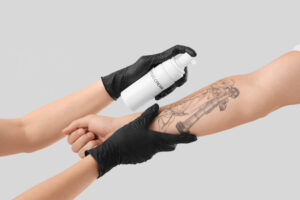
Tattoo numbing cream is a specially formulated local anesthetic cream designed to temporarily reduce skin sensitivity before and during a tattoo session. It belongs to a category of topical anesthetic agents that work directly on the skin’s surface without the need for injections. For many people—especially first-timers, those with low pain tolerance, or clients getting tattoos on sensitive areas like ribs, spine, or ankles—numbing cream can make a noticeable difference in comfort levels.
Instead of mentally bracing yourself for every needle pass, a properly applied numbing cream supports a smoother and more controlled experience. It doesn’t remove the reality of the process, but it significantly reduces the sharp sting that often makes sessions overwhelming. This is why numbing creams have become an important part of modern tattoo pain management. When used correctly and safely, they allow you to focus on the art, the meaning behind your tattoo, and the overall experience—rather than just enduring discomfort.
How Tattoo Numbing Cream Works
If you’re considering using a tattoo numbing cream, understanding how it works can help you choose the right product and apply it correctly for maximum results. During a tattoo session, the needle repeatedly penetrates the epidermis (outer layer of the skin) and delivers ink into the dermis (the deeper skin layer). The dermis contains nerve endings that transmit pain signals to the brain. That sharp, burning, or scratching sensation you feel during tattooing is your nervous system reacting to this repeated stimulation.
A high-quality local anesthetic cream works by targeting those nerve pathways. The active ingredients in topical anesthetic agents temporarily block sodium channels in nerve cells, which prevents pain signals from being fully transmitted to the brain. In simple terms, the numbing cream interrupts the communication between your skin and your brain. As a result, the sharp pain is significantly reduced, allowing for better tattoo pain management and a more controlled session.
How Topical Anesthetic Agents Block Pain Signals

Most of the best numbing creams for tattoos contain maximum strength lidocaine, typically in concentrations of 4% to 5% for over-the-counter products. Lidocaine penetrates the epidermis and reaches the upper dermis, where it stabilizes nerve membranes and blocks the initiation of pain impulses. Some formulations also include benzocaine or prilocaine to enhance surface-level relief and extend the duration of numbing.
It’s important to understand that numbing cream reduces sharp pain but does not completely eliminate sensation. You may still feel pressure, vibration, and movement from the tattoo machine. However, the intense stinging and burning discomfort are greatly minimized. This balance is beneficial because it keeps you comfortable without interfering with the artist’s ability to work precisely.
For those searching for a painless tattoo experience, choosing a product with the right lidocaine concentration and proven absorption performance is essential. Reviews that mention long-lasting numbing effects and effectiveness on sensitive areas are strong indicators of product quality when browsing Amazon listings.
Why Proper Application and Timing Matter
Even the best tattoo numbing cream will not perform effectively if it is applied incorrectly. For optimal absorption, the cream should be applied in a thick layer and left on the skin for 30 to 60 minutes before the session. Covering the area with plastic wrap (occlusion) helps the active ingredients penetrate deeper into the skin layers.
Skipping the recommended wait time is one of the most common mistakes users make. Proper preparation significantly improves performance and extends the numbing duration. When used correctly, a maximum strength lidocaine cream can provide relief throughout a standard tattoo session, especially for small to medium-sized designs.
When comparing over-the-counter vs prescription numbing cream, most tattoo clients will find that OTC products are sufficient for pain reduction when applied according to instructions. In the United States, these products are regulated by the U.S. Food and Drug Administration to ensure safe concentration levels and labeling standards. Prescription-strength options are typically reserved for medical procedures and should only be used under professional supervision.
Understanding how tattoo numbing cream works allows you to make an informed purchase decision. By selecting a trusted product with clinically recognized ingredients and following the correct application steps, you can significantly improve comfort, reduce anxiety, and create a smoother tattoo experience from start to finish.
Active Ingredients in Tattoo Numbing Cream
Not all numbing creams are created equal. The effectiveness of a product largely depends on its active ingredients and their concentration levels. Here’s a closer look at the most common ones:
Lidocaine (Most Common and Effective)
Lidocaine is the most widely used ingredient in tattoo numbing products and is often labeled as maximum strength lidocaine in over-the-counter formulations. It works by blocking sodium channels in nerve cells, which prevents pain signals from being transmitted. Most OTC tattoo creams contain around 4%–5% lidocaine, which is generally considered safe and effective for temporary skin numbing.
Because of its fast-acting and reliable performance, lidocaine is typically the primary ingredient in the best numbing cream for tattoos. It provides a balanced level of pain relief without overly interfering with the tattooing process when used correctly.
Benzocaine
Benzocaine is another topical anesthetic commonly used in skin and dental pain relief products. It works mainly at the surface level of the skin and helps reduce immediate discomfort. While it may not penetrate as deeply as lidocaine, it can enhance the overall numbing effect when combined with other anesthetics. In tattoo products, benzocaine often supports quick surface relief, making the initial needle contact less intense.
Prilocaine
Prilocaine is frequently combined with lidocaine to extend and strengthen the numbing effect. This combination allows for deeper skin penetration and longer-lasting relief, which can be particularly beneficial for extended tattoo sessions or detailed shading work. When used together, lidocaine and prilocaine create a more comprehensive pain-reduction experience.
Does Numbing Cream Really Work for Tattoos?
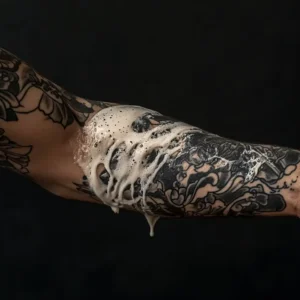
This is one of the most common questions people ask before buying a tattoo numbing cream on Amazon. The honest answer is yes — numbing cream can work very effectively for tattoos — but the results depend on several important factors. It is not a magic solution, and it does not work the same way for everyone. Understanding what influences its effectiveness helps you choose the right product and use it correctly for the best outcome.
If pain anxiety is the only thing stopping you from booking your appointment, the right numbing cream can make a noticeable difference in comfort and confidence.
Effectiveness Depends on Your Skin Type
Not all skin absorbs topical anesthetic agents the same way. Skin thickness, oil production, hydration level, and sensitivity all influence how well a local anesthetic cream penetrates the epidermis and dermis.
For example:
-
Thinner or more sensitive skin may absorb maximum strength lidocaine faster.
-
Thicker skin may require a longer absorption time.
-
Dry or damaged skin may reduce even distribution of the product.
If you have sensitive skin, it’s always wise to perform a patch test first. Dermatology organizations like the American Academy of Dermatology recommend testing topical products before full application to reduce the risk of irritation or allergic reactions.
When browsing Amazon, look for products labeled for sensitive skin or those with high ratings from users who mention similar skin types in reviews. Real-world feedback can give you practical insight into how well a cream performs across different skin conditions.
Tattoo Location Plays a Major Role
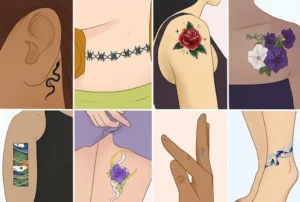
Location matters more than most people realize. Areas like the ribs, spine, ankle, feet, and inner arm tend to be more painful because the skin is thinner and closer to bone, with a higher concentration of nerve endings.
So does numbing cream really work on these areas?
Yes — but expectations should be realistic. On highly sensitive spots, numbing cream may reduce pain intensity significantly rather than eliminate it completely. Many users report that rib or spine tattoos feel more like pressure and vibration instead of sharp, unbearable pain when a strong lidocaine-based cream is applied properly.
If you’re planning a tattoo in one of these high-sensitivity zones, choosing a well-reviewed maximum strength lidocaine formula becomes even more important. Reviews that specifically mention ribs, ankles, or spine tattoos are especially valuable for decision-making.
Application Method Makes or Breaks the Results
One of the biggest reasons people think numbing cream “doesn’t work” is improper application.
To maximize effectiveness:
-
Apply a thick layer (do not rub it in completely).
-
Cover the area with plastic wrap (occlusion).
-
Leave it on for 30–60 minutes before the session.
-
Clean the area only when your artist is ready to begin.
Proper absorption dramatically affects performance and directly answers the question: how long does numbing cream last? When applied correctly, many over-the-counter creams last between 1 to 3 hours, depending on formulation and skin type. Some extended formulas may last longer, especially those combining lidocaine with prilocaine.
If you skip the waiting time or apply too little product, you may reduce effectiveness by half. Always follow the product instructions listed on the Amazon page.
Pain Tolerance Levels Matter
Your natural pain tolerance levels also influence how effective numbing cream feels. Someone with a high pain tolerance may describe the experience as almost painless, while someone more sensitive may say it simply makes the session “bearable.”
This does not mean the product isn’t working. It means your nervous system processes discomfort differently. The goal of numbing cream is not complete numbness but significant pain reduction so you can sit longer, stay relaxed, and allow your artist to work efficiently.
Relaxed muscles also help reduce involuntary movement, which benefits tattoo precision and overall results.
Does Numbing Cream Affect Tattoo Ink?
Another common concern is: does numbing cream affect tattoo ink or healing?
When used correctly and in approved concentrations, most over-the-counter numbing creams do not negatively impact ink retention. The key is avoiding excessive amounts and ensuring the skin is properly cleaned before tattooing begins. Professional tattoo artists typically wipe and prep the area thoroughly, minimizing any interference.
Products regulated in the United States must follow safety guidelines established by the U.S. Food and Drug Administration, ensuring appropriate lidocaine concentrations for consumer use.
To stay safe:
-
Avoid reapplying without your artist’s approval.
-
Do not use on broken or irritated skin.
-
Follow dosage guidelines strictly.
How To Use Numbing Cream for Tattoos
Buying the best numbing cream for tattoos is only half the battle. The other half is knowing how to apply it correctly to achieve maximum pain relief. Many people assume that simply slathering it on is enough, but improper application is the most common reason for disappointing results. With the right pre-tattoo skin preparation, you can dramatically improve the cream’s effectiveness and enjoy a smoother, more comfortable tattoo session.
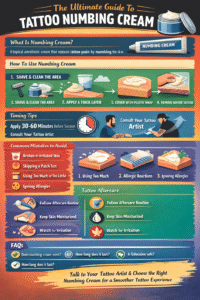
Step 1: Shave & Clean the Area
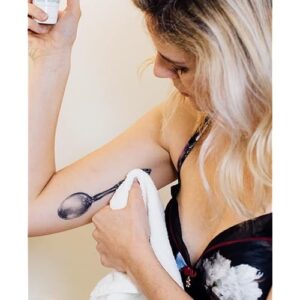
The first step in preparing your skin is ensuring it is completely clean and hair-free. Shave the area where your tattoo will go, even if your tattoo artist plans to do it themselves. Hair can block direct contact between the cream and your skin, reducing absorption. After shaving, wash the area thoroughly with mild soap and lukewarm water to remove oils, dirt, and sweat. Dry the area completely. Proper cleaning ensures that the active ingredients penetrate evenly into your skin, enhancing skin absorption time and overall effectiveness of the numbing cream.
Step 2: Apply a Thick Layer
Once your skin is clean and dry, it’s time to apply the cream. Many people ask how much numbing cream to use, and the answer is generous enough to fully cover the tattoo area without rubbing it in completely. The goal is to leave a visible layer that gradually penetrates the skin, reaching the nerve endings. Uneven or thin application can lead to some areas being less numb than others, which may result in unnecessary discomfort. Applying a consistent thick layer is essential for achieving a uniform pain-reduced tattoo experience.
Step 3: Cover With Plastic Wrap (Occlusive Dressing)
After applying the cream, cover the area with plastic wrap. This numbing cream wrapping method is essential for maximizing absorption. The wrap traps heat, prevents the cream from drying out, and allows the active ingredients to penetrate deeper into the epidermis and dermis. Leave the wrap on for 30 to 60 minutes, depending on the product’s instructions. Many over-the-counter creams reach peak effectiveness during this waiting period, so patience is key. Removing the wrap too early is a common mistake that reduces the cream’s performance and shortens how long numbing cream lasts.
Step 4: Remove & Clean Before Tattoo Starts
Once the absorption period is complete, carefully remove the plastic wrap and gently wipe away any excess cream. Leaving a thick residue on the skin can interfere with ink adherence and the tattooing process. Your artist will then disinfect and prep the area before starting, ensuring proper stencil placement and ink retention. When applied correctly, numbing cream does not negatively affect tattoo ink or the healing process. Proper removal helps maintain the integrity of the artwork while keeping your session comfortable.
When Should You Apply Numbing Cream?
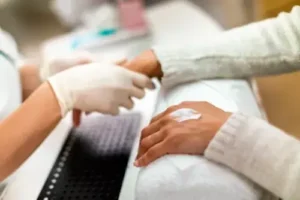
If you’ve decided to use a tattoo numbing cream, timing is everything. Applying it too early or too late can reduce its effectiveness, leaving you with an uncomfortable session. For most standard tattoos, experts recommend applying the cream 30–60 minutes before your tattoo session. This gives the active ingredients enough time to penetrate the epidermis and dermis, block pain signals, and deliver a smoother, more comfortable experience.
How Long Before Tattoo Should I Apply Numbing Cream?
Many people wonder, “How long before tattoo should I apply numbing cream?” The answer depends on the cream’s formulation and your skin type. Over-the-counter maximum strength lidocaine creams typically need at least 30 minutes under occlusion (covered with plastic wrap) to take full effect. For larger tattoos or sensitive areas, waiting closer to 45–60 minutes ensures the cream has fully absorbed, giving you consistent numbing across the entire area. Following the correct timing not only reduces pain but also helps you stay relaxed, which improves tattoo precision and overall experience.
Numbing Cream for Large Tattoos
If your session involves a numbing cream for large tattoos, timing and coverage become even more critical. Large areas require more cream to ensure uniform coverage and slightly longer absorption time. Applying a thick layer evenly across the entire design area and then covering it with plastic wrap ensures the cream penetrates deeper into the skin. Many Amazon reviewers specifically mention that proper preparation and timing for large tattoos dramatically improve comfort during extended sessions.
Reapplication Only With Artist Approval
While some may think reapplying numbing cream mid-session will enhance pain relief, this should only be done with your tattoo artist’s approval. Over-application can interfere with ink retention or create uneven skin absorption, potentially affecting tattoo quality. Always communicate with your artist if you feel discomfort during a long session. Most professionals have experience with maximum strength lidocaine creams and can advise the safest approach for reapplication without compromising the tattoo.
Common Mistakes to Avoid When Using Numbing Cream
Using tattoo numbing cream can transform a painful session into a comfortable experience—but only if it’s applied correctly. Many beginners make simple mistakes that reduce effectiveness or even cause skin irritation. Knowing what to avoid not only protects your skin but also ensures that the cream works as intended, giving you a smooth, manageable tattoo session.
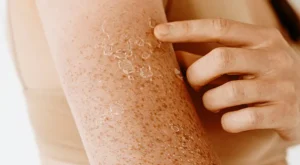
Applying on Broken or Irritated Skin
One of the most important rules is never to apply numbing cream on broken, inflamed, or irritated skin. Open cuts, rashes, or sunburned areas can absorb the active ingredients too quickly, increasing the risk of adverse reactions. Applying lidocaine or other topical anesthetic agents on compromised skin may lead to allergic reaction symptoms such as redness, swelling, or itching. Always inspect your skin before use, and if any irritation is present, postpone application or consult a professional. Following this rule ensures both skin irritation prevention and a safe tattooing experience.
Using Too Little or Too Much
Dosage matters. Using too little numbing cream may not deliver adequate pain relief, leaving you uncomfortable during your session. On the other hand, applying too much can increase the risk of skin sensitivity, reduce ink retention, or trigger mild adverse effects. The best approach is to follow the product instructions carefully, applying a thick, even layer across the entire tattoo area. Many high-rated Amazon products provide clear guidance on how much numbing cream to use, which makes achieving optimal results much easier.
Skipping a Patch Test
Even if you’ve used numbing creams before, skipping a patch test before tattooing is a common mistake. Skin reactions can vary depending on the area, the product, or even your current skin condition. Applying a small amount of cream to an inconspicuous area 24 hours before your session allows you to monitor for irritation, redness, or allergic reaction symptoms. This small step can prevent serious discomfort and ensures your tattoo experience is as safe and pain-free as possible.
Ignoring Ingredient Allergies
Reading the ingredients list is crucial. Many tattoo numbing creams contain lidocaine, benzocaine, or prilocaine — substances that can trigger allergic reactions in sensitive individuals. If you know you are prone to allergies or have experienced reactions to similar products, it’s important to select hypoallergenic formulas and perform a patch test before tattoo. Ignoring ingredient sensitivities can lead to itching, swelling, or even more serious reactions during the tattoo session.
Exceeding Recommended Dosage
Over-application is a mistake that can affect your skin, your health, and your tattoo. Maximum strength lidocaine creams have regulated concentrations, and exceeding the recommended dosage doesn’t provide stronger pain relief. Instead, it can lead to increased irritation, prolonged numbness in surrounding areas, or systemic absorption issues. Always follow the dosage guidelines provided on the Amazon product page and consult your tattoo artist if you feel additional relief is needed during long sessions.
Side Effects & Safety Precautions

Tattoo numbing creams can make your session far more comfortable, but like any topical product, they come with potential side effects if not used properly. Understanding what to expect and how to stay safe is essential for both your skin health and the quality of your tattoo. Being informed also helps you confidently select the best FDA-approved numbing creams on Amazon without second-guessing their safety.
Common Side Effects
Even when used correctly, some minor reactions are normal. After applying a numbing cream, you might notice redness or temporary swelling at the application site. These effects are usually mild and subside within a few hours. They are a natural response to the active ingredients like lidocaine, benzocaine, or prilocaine interacting with your skin.
In very rare cases, some users may experience allergic reactions, such as itching, hives, or more pronounced swelling. This is why performing a patch test before tattoo is critical, especially for individuals prone to allergies or sensitive skin. Many Amazon product listings now highlight whether their creams are hypoallergenic or suitable for sensitive skin, helping you choose a safe option.
Overuse Risks
Using too much numbing cream or reapplying without professional guidance can lead to stronger side effects. Excessive application increases the risk of prolonged skin irritation or even systemic absorption, which may cause dizziness, nausea, or unusual numbness beyond the tattoo area. Always follow the instructions provided with the product and consult your tattoo artist if you feel additional pain relief is needed.
Is Lidocaine Safe for Tattoos?
Lidocaine, the most common active ingredient in tattoo numbing creams, is generally considered safe when used in proper concentrations. Most over-the-counter products contain 4–5% lidocaine, which is approved by regulatory bodies for topical use. When applied according to directions, lidocaine effectively blocks pain signals without interfering with ink retention or healing. Choosing a cream with clear labeling and dosage guidance ensures you get safe, effective pain management during your session.
FDA Safety Considerations
In the United States, tattoo numbing creams are regulated by the U.S. Food and Drug Administration to ensure both safety and efficacy. FDA-approved numbing creams meet specific standards for lidocaine concentration, labeling, and usage instructions. Products that comply with these standards reduce the risk of adverse reactions and provide reassurance that you’re using a safe, tested formula.
When browsing Amazon for numbing creams, look for phrases like “FDA-approved” or “complies with FDA safety guidelines.” This ensures the product meets regulatory safety standards and is less likely to cause unwanted side effects during your tattoo session.
Does Numbing Cream Affect Tattoo Quality?
One of the biggest concerns for tattoo enthusiasts is whether using numbing cream could compromise their artwork. Questions like “does numbing cream fade tattoo ink?” or “can numbing cream ruin a tattoo?” are common, especially among first-timers. The good news is that when used correctly, tattoo numbing creams are unlikely to affect ink retention or the final quality of your tattoo. However, there are some nuances to consider, and understanding them will help you have a safe, pain-managed session without compromising your design.
Temporary Skin Changes
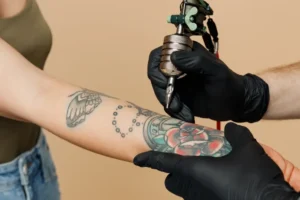
Some tattoo artists note that applying numbing cream may temporarily change skin texture. The cream hydrates and slightly softens the skin, which can make it feel different under the needle. While this effect is short-lived, it can slightly affect how the needle interacts with the skin. This is why it’s crucial to communicate openly with your artist about which product you’re using. Experienced tattooists know how to adjust technique to ensure your ink goes in evenly, even with a topical anesthetic applied.
Impact on Ink Absorption
A common myth is that numbing cream directly interferes with ink absorption. In reality, when used in recommended amounts and properly wiped off before tattooing, numbing cream does not prevent ink from settling into the dermis. Over-application or leaving thick residue on the skin could potentially make the surface too slick for precise stencil placement, but this is easily avoided by following product instructions and allowing your tattoo artist to prep the skin. This ensures that your design comes out crisp and vibrant while still benefiting from pain reduction.
Importance of Discussing with Your Tattoo Artist
Every artist has their own preference when it comes to topical anesthetics. Some may prefer you apply the cream at home, while others might recommend professional application in the studio. Discussing your chosen numbing cream with your tattoo artist beforehand ensures that both you and the artist are aligned. This collaboration minimizes any risk of affecting the tattoo quality and ensures a smoother, more comfortable experience.
Tattoo Aftercare After Using Numbing Cream
Using a tattoo numbing cream makes your session far more comfortable, but proper aftercare is just as important to ensure your tattoo heals beautifully. The fact that you used a topical anesthetic does not change the fundamental healing needs of your skin, but being aware of potential sensitivity can help prevent irritation and promote optimal recovery. Following the right steps ensures that your tattoo stays vibrant and your skin remains healthy throughout the tattoo healing after numbing cream process.
Follow Your Normal Aftercare Routine
After your session, it’s important to stick to the standard aftercare routine recommended by your tattoo artist. Numbing creams do not interfere with the healing process, but they may leave a slight residue or temporarily change skin hydration. Gently wash the tattoo with mild, fragrance-free soap and lukewarm water, then pat it dry with a clean towel. Avoid scrubbing or soaking the tattoo in water for prolonged periods, as this can disrupt the ink and increase the risk of infection. Consistency in your aftercare routine is key to maintaining both tattoo quality and skin health.
Moisturize Properly
Hydration is essential for skin irritation prevention and faster healing. Applying a thin layer of a tattoo-specific moisturizer or ointment helps keep your skin supple, reduces itching, and prevents excessive scabbing. Because numbing creams can slightly dry the skin or alter its texture temporarily, paying attention to moisturization in the first few days after your session is even more critical. Use gentle, fragrance-free products and follow your artist’s recommendations for frequency and quantity.
Watch for Irritation
Even though numbing creams are generally safe, your tattooed skin may be more sensitive immediately after the session. Monitor the area for signs of redness, swelling, or unusual irritation beyond the normal healing process. Mild redness and tenderness are expected, but prolonged discomfort, oozing, or rash may indicate infection or an allergic response. If any of these symptoms occur, contact your tattoo artist or a dermatologist promptly. Being proactive helps prevent complications and ensures your tattoo heals smoothly.
Understanding the Healing Timeline
Healing typically occurs in stages over 2–4 weeks. The outer layer of the tattooed skin will peel or flake first, while the deeper layers continue to recover. Using a numbing cream does not change this timeline, but proper aftercare ensures that the skin recovers without unnecessary irritation or color fading. Staying patient and consistent with washing, moisturizing, and protecting your tattoo from sun exposure during this period is essential for achieving vibrant, long-lasting results.
FAQs
Does numbing cream really work for tattoos?
Yes, tattoo numbing creams work by temporarily blocking pain signals from reaching your brain. The active ingredients, like lidocaine, benzocaine, or prilocaine, penetrate the epidermis and dermis to reduce sharp, stinging sensations. While numbing creams don’t eliminate pressure or movement, they significantly minimize discomfort, especially for sensitive areas or longer sessions. Proper application and timing are key to maximizing effectiveness.
How long does numbing cream last?
Most over-the-counter maximum strength lidocaine creams provide relief for 1–3 hours, depending on your skin type, the area being tattooed, and how thickly the cream was applied. Using plastic wrap (occlusive dressing) during the absorption period helps extend its effect. Timing the application 30–60 minutes before your session ensures optimal pain reduction.
Can I use numbing cream during a tattoo session?
Reapplication during a session should only be done with your tattoo artist’s approval. Over-application can interfere with ink retention and may cause uneven absorption or skin irritation. Communicate with your artist if you feel discomfort, and they can advise whether adding more cream is safe for your session.
Is lidocaine safe for tattoos?
Yes, lidocaine is considered safe for topical use when applied in recommended concentrations (typically 4–5%). It effectively blocks pain signals without affecting the healing process or tattoo ink when used correctly. Choosing an FDA-approved numbing cream ensures the formulation meets safety standards and minimizes the risk of adverse reactions.
Will numbing cream affect ink quality?
When applied correctly and removed before tattooing, numbing cream does not affect ink absorption or long-term tattoo quality. Over-application or leaving thick residue may make the surface slightly slick, which could complicate stencil placement. Always allow your tattoo artist to prep the skin for optimal ink retention.
Can I reapply numbing cream during tattooing?
Reapplication is only recommended under the guidance of your tattoo artist. Using too much cream can interfere with ink retention or cause prolonged skin numbness, which may impact the artist’s precision. Always follow the instructions on the product label and communicate openly with your artist.
Does numbing cream cause side effects?
Mild side effects are normal and may include temporary redness, slight swelling, or tingling at the application site. Serious reactions like rashes or allergic responses are rare, especially with FDA-approved numbing creams. Always perform a patch test before your tattoo session to reduce the risk of irritation or allergic reaction symptoms.
Can numbing cream be used on all skin types?
Most topical anesthetic creams are suitable for normal and sensitive skin, but individuals with extremely thin or damaged skin may experience faster absorption or increased sensitivity. Performing a patch test before full application helps ensure safety, and consulting with a dermatologist or your tattoo artist is recommended for unusual skin types.
Do numbing creams affect tattoo healing?
When used correctly, numbing creams do not interfere with the healing process. Standard aftercare, including gentle washing, moisturizing, and avoiding sun exposure, remains the most important factor for tattoo healing after numbing cream. Proper use reduces discomfort during the session without compromising ink retention or recovery.
Can numbing cream be used for large tattoos?
Yes, but large tattoos require more careful application and slightly longer absorption time. Apply a thick, even layer across the entire design area and cover with plastic wrap for 30–60 minutes. This ensures consistent numbing and minimizes discomfort during long or extensive tattoo sessions.
Is a patch test necessary before using numbing cream?
Absolutely. A patch test helps identify any potential skin irritation or allergic reactions before applying the cream to the full tattoo area. Apply a small amount to an inconspicuous area 24 hours before your session and monitor for redness, itching, or swelling. This simple step helps prevent complications during your tattoo.
Conclusion
Using tattoo numbing cream can make your session significantly more comfortable when applied correctly. Always prioritize safe usage, consult your tattoo artist, and perform a patch test to prevent irritation. Talk to your tattoo artist and choose the right numbing cream for a smoother tattoo experience.