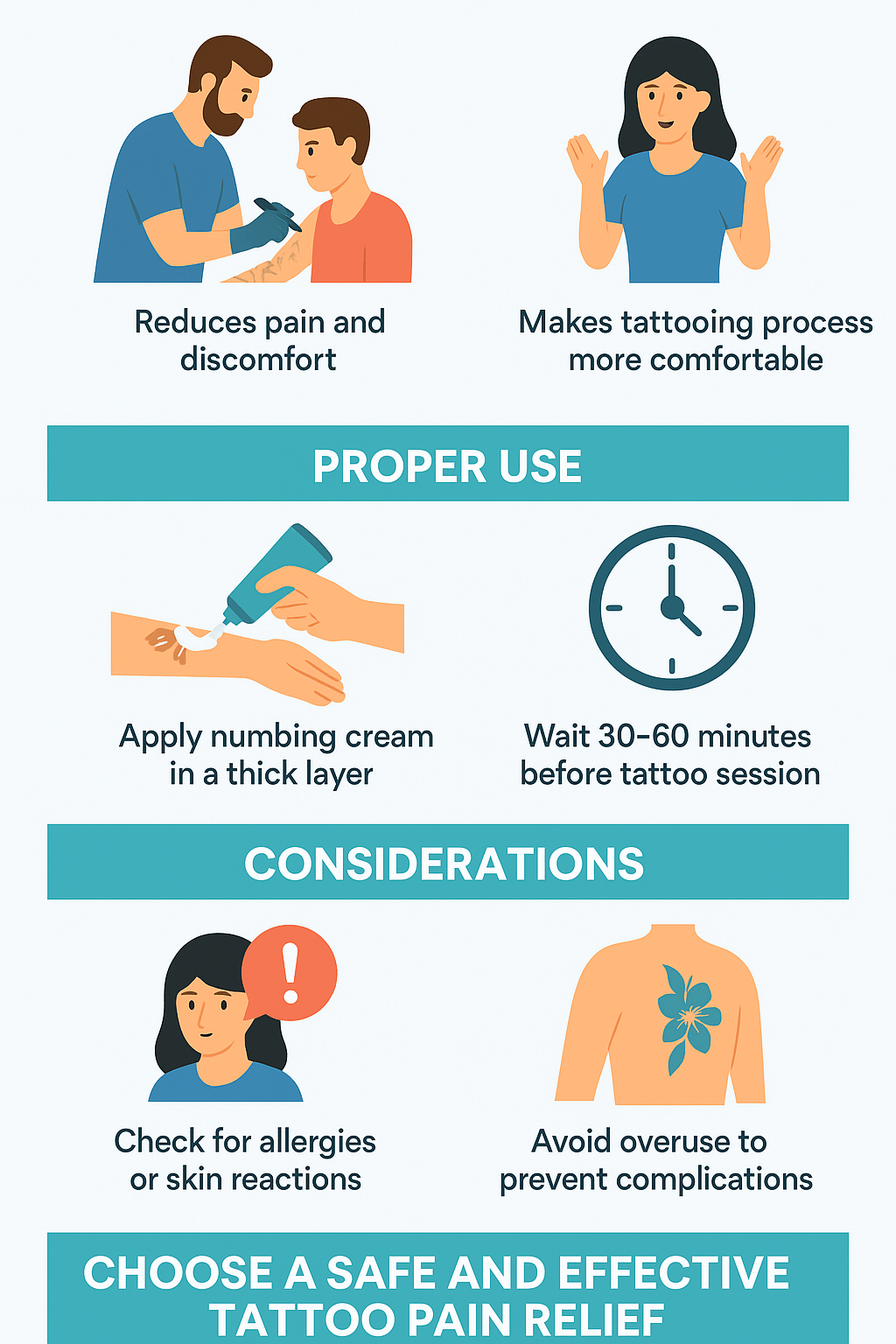
Getting a tattoo is an exciting experience, but let’s be honest—tattoos hurt. The level of pain can vary depending on the size of the tattoo, its placement on the body, and your personal pain threshold. Some people describe the sensation as a scratching burn, while others feel sharp stings or deep vibrations as the tattoo needle moves across the skin. Areas with thinner skin, like the ribs, ankles, and wrists, tend to be more painful, while places with more muscle or fat may feel slightly less intense.
This is where tattoo pain relief solutions come into play. For many, the answer lies in using a topical anesthetic for tattoos, more commonly known as numbing cream. These creams are designed to temporarily dull the nerve endings in the skin, reducing discomfort so that the tattooing process becomes more bearable. But the big question people often ask is, “Does numbing cream work for tattoos?” The short answer is yes—it can help—but there are important things to know before using it.
Understanding Tattoo Numbing Cream
What Is Numbing Cream?
A numbing cream is a type of topical anesthesia designed to temporarily reduce or block the pain associated with procedures that involve the skin—tattoos, piercings, or even minor cosmetic treatments. Its primary purpose is simple: to make the tattooing experience more comfortable by calming the nerve endings in the outer layers of your skin.
These creams are considered professional-grade numbing creams when formulated specifically for tattoo sessions. They are usually applied before the tattoo process begins, giving the client relief from sharp stings, burning sensations, or discomfort caused by repeated needlework.
Most tattoo numbing creams contain active ingredients like Lidocaine, Benzocaine, or Tetracaine—well-known local anesthetics used in both medical and cosmetic fields. Each of these ingredients works by targeting nerve signals, ensuring that pain messages sent from your skin don’t fully reach your brain. For people with a low pain tolerance or those planning long tattoo sessions, this can make the entire process far more manageable.
📖 Also Read: Best Tattoo Numbing Cream

How Numbing Cream Works
The science behind numbing cream is straightforward but powerful. When applied to the skin, it seeps into the upper dermal layers and blocks the nerve endings from transmitting pain signals. This doesn’t mean the skin becomes completely insensitive, but it significantly dulls sharp or burning sensations.
The onset time of most creams is between 20 to 45 minutes, depending on the brand and formulation. Once active, they usually provide relief for one to three hours, although some long-lasting options can extend comfort for even longer tattoo sessions.
Key attributes that make these creams appealing include being fast-acting, long-lasting, non-greasy, and safe for sensitive skin. Unlike ice packs or over-the-counter pain relievers, numbing creams are specifically targeted for surface-level pain management and don’t interfere with blood flow or healing. Ice may temporarily cool the skin but can constrict blood vessels, which isn’t ideal before tattooing. Over-the-counter medications like ibuprofen might help with swelling, but they don’t provide immediate surface-level pain control the way numbing creams do.
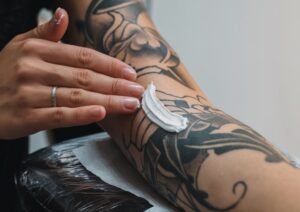
Who Can Use Numbing Cream?
Numbing cream isn’t for everyone, but it’s a helpful option for many. It is particularly useful for:
-
People with sensitive skin who experience discomfort more intensely
-
First-time tattoo clients who may feel anxious about pain
-
Individuals planning large or intricate tattoos that require extended sitting sessions
That said, certain groups should use caution. People with allergies to local anesthetics or those with medical conditions affecting the heart, liver, or skin integrity should consult a healthcare professional first. This is where dermatologists play an important role in guiding safe use, while tattoo artists can advise on whether a particular cream works well during a session.
Using numbing cream safely means understanding your own health background and having an open conversation with your tattoo professional. Many reputable tattoo studios are familiar with clients bringing their own cream and can guide you on how to apply it effectively before your appointment.