
Getting a tattoo can be an exciting way to express yourself, but let’s be honest—tattooing can be painful, especially in sensitive areas of the body. This is where tattoo numbing cream ingredients come into play. Understanding what goes into these creams isn’t just about curiosity—it’s essential for ensuring a safe and effective tattooing experience. Using the wrong product or applying it incorrectly can lead to skin irritation, allergic reactions, or even reduced effectiveness, which is the last thing anyone wants during a session.
Many first-time tattoo clients and even seasoned enthusiasts wonder which creams actually work and which ones are safe for different skin types. Pain relief cream for tattoos has become a trusted solution for those seeking a smoother, more comfortable process. But not all creams are created equal, and the real difference lies in the ingredients. From lidocaine and prilocaine to natural soothing agents like aloe vera and chamomile extract, each component plays a role in managing pain, minimizing skin irritation, and promoting healing.
Beyond just numbing, modern formulations also focus on user comfort and skin health. You’ll find creams labeled fast-acting, long-lasting, and non-greasy, ensuring they are easy to apply and won’t leave sticky residues that interfere with the tattooing process. Many are dermatologist-tested, hypoallergenic, and suitable for sensitive skin, which makes them safe choices for a variety of users.
For those exploring options for the first time, knowing what makes a cream effective can guide smarter choices. Whether you’re interested in maximum-strength numbing solutions, creams with natural soothing ingredients, or FDA-approved products, understanding the formulation helps you pick a product that aligns with both your comfort and safety needs.
📑 In-Depth Guide: Most Effective Numbing Creams For Tattoos
Tattoo numbing creams are more than just a quick fix—they are carefully engineered products designed to provide pain-free tattooing experiences while maintaining skin integrity. This post will walk you through the key ingredients, their purposes, and what to consider when choosing the right product for your next tattoo session. By understanding the science behind the creams, you can confidently ensure your tattoo journey is smooth, safe, and comfortable.
What is Tattoo Numbing Cream?

Definition and Purpose
A tattoo numbing cream is a specialized topical anesthetic for tattoos designed to reduce pain and discomfort during the tattooing process. Unlike oral painkillers that affect your entire body, these creams work locally, targeting only the skin area where the tattoo will be applied. Many people use them as a pain management cream to make sessions more tolerable, especially when getting large or intricate tattoos.
The purpose of these creams goes beyond just dulling pain. High-quality formulations also help protect the skin from irritation, redness, or swelling. Some products include natural soothing agents like aloe vera or chamomile extract to keep the skin hydrated and calm during the procedure. By understanding the ingredients and how they work, you can make informed choices about which product is suitable for your skin type and tattoo style.
How Tattoo Numbing Cream Works
Tattoo numbing creams function by temporarily blocking nerve signals in the area where they are applied. Active ingredients such as lidocaine, prilocaine, or tetracaine penetrate the upper layers of the skin and inhibit pain receptors from sending signals to the brain. This creates a localized sensation of numbness, allowing tattoo artists to work with precision while minimizing discomfort for the client.
For those wondering how to numb skin before a tattoo, applying a thin, even layer of the cream about 20–30 minutes prior to the session is generally recommended. Timing and correct application are critical for achieving effective numbing cream for tattoo pain.
By using a cream with the right combination of active ingredients, natural soothing agents, and skin-friendly excipients, you can ensure a comfortable, pain-free tattooing experience without compromising skin health.
Tattoo Numbing Cream Ingredients: What Makes Them Work
Getting a tattoo can be an exciting experience, but for many, the process comes with discomfort or pain. Tattoo numbing creams are designed to ease this sensation, and their effectiveness largely depends on the ingredients used. Understanding what goes into these creams not only helps you make an informed choice but also ensures safety and optimal results.
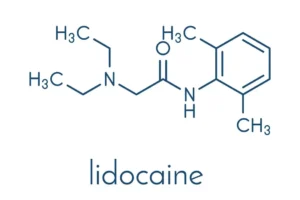
Active Ingredients: The Pain Relievers
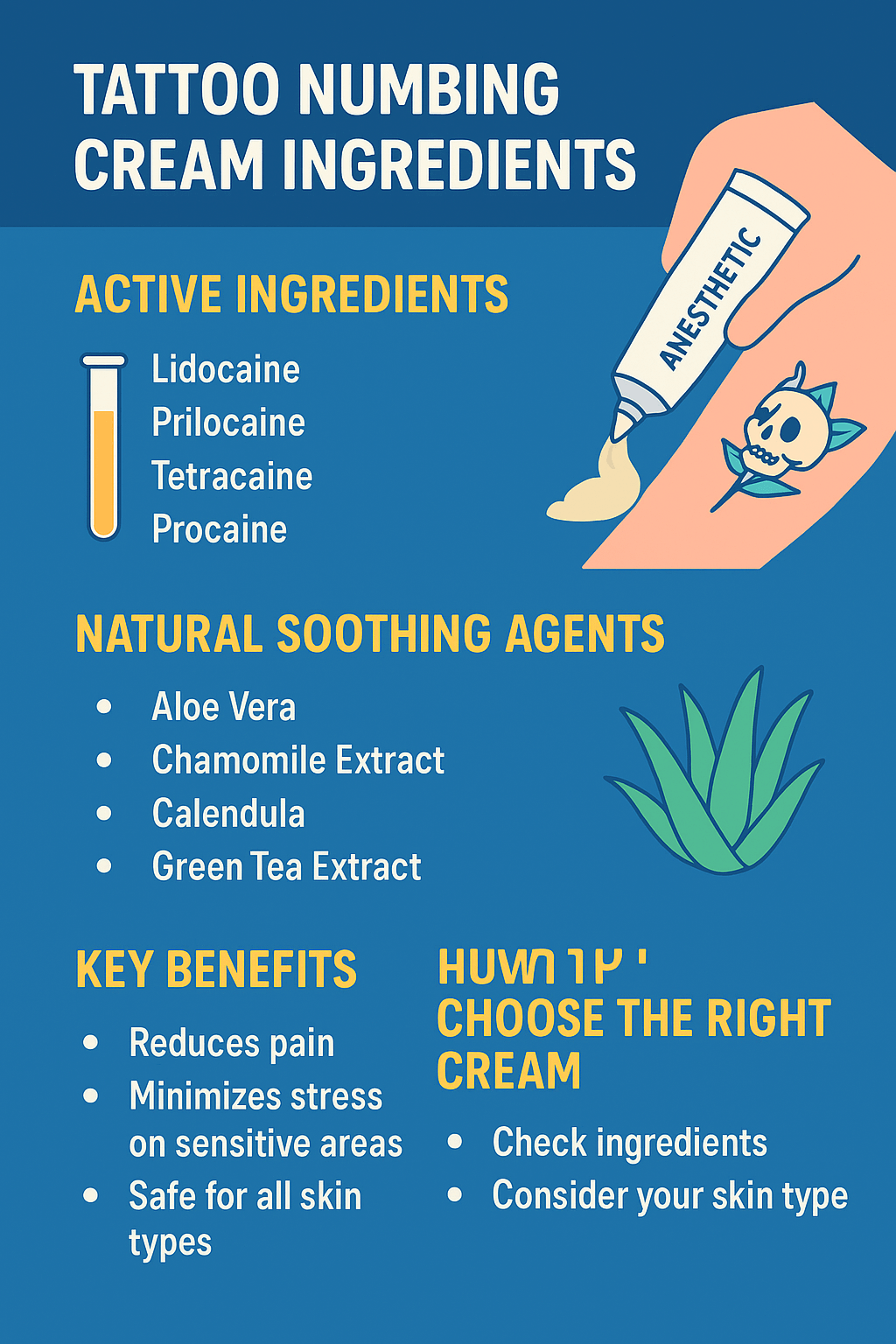
Most tattoo numbing creams rely on active ingredients that temporarily block nerve signals in the skin, reducing pain during the tattooing process. Common active ingredients include:
-
Lidocaine: One of the most popular topical anesthetics, lidocaine works by temporarily numbing the skin. It is fast-acting and effective for various skin types, making it a go-to choice for many tattoo enthusiasts.
-
Prilocaine: Often combined with lidocaine in a cream, prilocaine enhances the numbing effect, allowing deeper skin layers to be anesthetized. This combination is commonly found in products like EMLA cream.
-
Benzocaine: Another local anesthetic, benzocaine provides temporary relief from surface-level pain. It is usually milder than lidocaine but still effective for sensitive skin areas.
-
Tetracaine: Known for its strong numbing properties, tetracaine is used in some professional tattoo creams for more intense or prolonged sessions.

Soothing and Hydrating Ingredients
Apart from anesthetics, tattoo numbing creams often include moisturizing and soothing components to protect the skin and reduce irritation. These ingredients also support faster healing post-tattoo:
-
Aloe Vera: Naturally calming and anti-inflammatory, aloe vera helps prevent redness and irritation while keeping the skin hydrated.
-
Vitamin E: A powerful antioxidant, vitamin E nourishes the skin, helping maintain elasticity and minimizing post-tattoo dryness.
-
Coconut Oil or Shea Butter: These natural emollients provide a protective barrier, locking in moisture and soothing skin during the tattoo process.
Stabilizers and Preservatives
To ensure the cream maintains its effectiveness and shelf life, manufacturers often include stabilizers and preservatives:
-
Glycerin: Acts as a humectant, drawing moisture into the skin and preventing the cream from drying out.
-
Phenoxyethanol or Parabens: Used in small amounts to prevent microbial growth, ensuring the product remains safe for skin application.
Understanding How They Work
Tattoo numbing creams work by temporarily interrupting the transmission of pain signals from the skin to the brain. When applied properly, these creams can significantly reduce discomfort, making tattoo sessions more manageable, especially for larger or more sensitive areas.
What is Tattoo Numbing Cream?
Selecting a tattoo numbing cream is not just about brand preference. Consider the following:
-
Skin Sensitivity: If you have sensitive skin, opt for creams with natural soothing ingredients like aloe vera or shea butter, and avoid strong chemical anesthetics.
-
Tattoo Area: Some creams are more effective on smaller areas, while others are formulated for larger body parts or longer sessions.
-
Allergies and Safety: Always check ingredient labels for potential allergens and consult a dermatologist if you have concerns.
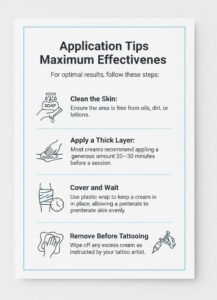
Application Tips for Maximum Effectiveness
For optimal results, follow these steps:
-
Clean the Skin: Ensure the area is free from oils, dirt, or lotions.
-
Apply a Thick Layer: Most creams recommend applying a generous amount 20–30 minutes before the session.
-
Cover and Wait: Use plastic wrap to keep the cream in place, allowing it to penetrate the skin evenly.
-
Remove Before Tattooing: Wipe off any excess cream as instructed by your tattoo artist.
Potential Side Effects and Precautions
While tattoo numbing creams are generally safe, misuse or over-application can lead to side effects such as:
-
Redness or mild irritation
-
Allergic reactions
-
Temporary skin sensitivity
Always follow the product guidelines and consult a professional if unsure about the suitability of a numbing cream for your skin type.
The Role of Natural vs. Synthetic Ingredients
Many users prefer creams with natural ingredients due to reduced chemical exposure. However, synthetic anesthetics like lidocaine are often more reliable for intense tattoo sessions. Understanding the balance between natural soothing agents and effective anesthetics can help you choose the ideal product.
How to Choose the Right Numbing Cream
Factors to Consider
Selecting the right numbing cream for your tattoo is more than just picking the first product on the shelf. Your skin type, sensitivity, and the size or location of your tattoo play a crucial role in how effective the cream will be. For instance, areas with thinner skin like the ribs or inner arms may require a gentler formula, while larger tattoos might benefit from a maximum-strength, long-lasting cream.
When searching for a safe numbing cream for tattoos, look for products that are dermatologist-tested, hypoallergenic, and suitable for sensitive skin. Understanding these factors ensures that you can enjoy a pain-free tattooing solution without risking irritation, redness, or allergic reactions.
Comparing Popular Brands
Not all numbing creams are created equal, and knowing the difference can save you time and discomfort. Some widely trusted options include:
-
HUSH Numbing Cream – Known for its fast-acting, long-lasting formula suitable for various tattoo sizes.
-
TKTX – Popular among professional tattoo artists for its high lidocaine content, offering a deeper numbing effect.
-
Ebanel Numb520 – Combines lidocaine with natural soothing agents like aloe vera for sensitive skin.
-
Mad Rabbit Numbing Cream – Provides non-greasy, easy application with added moisturizers to protect the skin.
When comparing these brands, consider ingredient composition, absorption rate, and intended use. Some creams may work better for small tattoos or microblading, while others excel for large, detailed pieces. Choosing the right cream ensures effective pain management and a smoother tattooing experience.
Safety and FDA Guidelines
Safety should always come first when selecting a numbing cream. Look for products that comply with FDA regulations and follow OTC guidelines to avoid harmful or untested ingredients. Excessive use or high concentrations of active ingredients like lidocaine can lead to toxicity, so following instructions carefully is essential.
Be mindful of skin sensitivity and potential allergic reactions. Testing a small patch before your session can help prevent unwanted side effects. By prioritizing safety and sticking to reputable, regulated brands, you can enjoy pain-free tattooing while protecting your skin from irritation or long-term damage.

Risks and Side Effects of Tattoo Numbing Creams
While tattoo numbing creams are highly effective at reducing discomfort, it’s important to understand that, like any topical product, they come with potential risks and side effects. Being informed can help you use them safely and ensure the best results for your tattoo experience.

Possible Allergic Reactions and Skin Irritation
Some individuals may experience allergic reactions or skin irritation when using a numbing cream. Common signs include redness, itching, or mild swelling at the application site. These reactions are more likely if the product contains fragrances, preservatives, or higher concentrations of active ingredients like lidocaine or prilocaine. Choosing a dermatologist-tested, hypoallergenic, and safe numbing cream for tattoos can significantly reduce these risks.
Even with gentle formulas, sensitive skin may react to natural ingredients such as aloe vera or chamomile extract, though these reactions are typically mild. Understanding your own skin type and previous sensitivities is key to preventing discomfort.
Over-Application Risks and Lidocaine Toxicity
Using too much numbing cream or leaving it on for longer than recommended can lead to over-application risks. Excessive amounts of lidocaine or other anesthetic agents may be absorbed into the bloodstream, potentially causing toxicity. Symptoms of lidocaine toxicity can include dizziness, numbness beyond the applied area, rapid heartbeat, or in rare cases, more severe complications. Following manufacturer instructions and applying only the recommended thin layer is critical for safety.
How to Test Sensitivity Before Full Application
Performing a patch test is one of the safest ways to ensure your skin tolerates a numbing cream. Apply a small amount to a discreet area of skin, wait 20–30 minutes, and observe for any signs of irritation or unusual reactions. If redness, itching, or swelling occurs, avoid using that product on larger areas.
Additionally, consulting a dermatologist or a professional tattoo artist can provide guidance on the safest products for your skin type and tattoo location. Many modern formulations are hypoallergenic, fast-acting, and suitable for sensitive skin, but individual reactions can still vary.
By understanding these risks and taking simple precautions, you can enjoy the benefits of pain-free tattooing while keeping your skin healthy, protected, and irritation-free. Proper usage and careful selection of a safe numbing cream for tattoos are essential steps in ensuring a smooth, comfortable, and safe tattooing experience.
Frequently Asked Questions
What is the best tattoo numbing cream for sensitive skin?
Choosing the right numbing cream for sensitive skin is crucial to avoid irritation or allergic reactions. Look for dermatologist-tested, hypoallergenic formulations that contain soothing ingredients like aloe vera, chamomile extract, or calendula. Products like Ebanel Numb520 or HUSH Numbing Cream are often recommended because they provide effective pain relief while keeping the skin hydrated and calm. Always perform a patch test before full application to ensure your skin reacts well, especially if you live in areas with hot climates or dry conditions, which can make the skin more prone to sensitivity.
How long should I apply tattoo numbing cream before my session?
For optimal effectiveness, most pain relief creams for tattoos should be applied 20–30 minutes before starting the tattoo. This allows active ingredients like lidocaine or prilocaine to penetrate the skin and block pain signals effectively. Some stronger formulations can take up to 45 minutes for maximum effect, so check the product instructions carefully. Applying the cream too early or too late can reduce its effectiveness, and layering excessively does not increase numbing strength—it may increase the risk of lidocaine absorption and irritation.
Can numbing cream be used for large or long tattoo sessions?
Yes, high-quality numbing creams are designed to make larger or more detailed tattoos more comfortable. Products with long-lasting and fast-acting formulas, like TKTX or HUSH, allow you to endure longer sessions without discomfort. This is especially beneficial for areas with thin or sensitive skin, such as the ribs, inner arms, or ankles. Using a dermatologist-tested, hypoallergenic cream can help ensure that your skin stays protected while reducing pain throughout the session.
Are natural ingredients in numbing creams safe?
Many tattoo numbing creams include natural soothing agents like aloe vera, chamomile, green tea extract, or calendula. These ingredients help reduce redness, moisturize the skin, and minimize irritation during tattooing. Generally, natural ingredients are safe for most people, but sensitivity can vary. Always check for potential allergies and consider creams labeled hypoallergenic and safe for sensitive skin, especially if you have a history of skin reactions.
Can I use numbing cream on broken or irritated skin?
It is not recommended to apply numbing cream to broken, irritated, or inflamed skin, as this increases the risk of absorption and can lead to allergic reactions or irritation. Numbing creams are designed for intact skin to block nerve signals safely. If you have a small area of irritation, consult your tattoo artist or dermatologist before applying any lidocaine-based or topical anesthetic cream. Choosing safe, dermatologist-tested products is essential to minimize risks.
Is it safe to use numbing cream for other procedures like microblading or laser hair removal?
Yes, many numbing creams are versatile and suitable for microblading, laser hair removal, waxing, and minor cosmetic procedures. The key is to use products formulated for dermatologist-tested and hypoallergenic use, ensuring that sensitive areas are protected. Always follow the recommended application guidelines and check for active ingredient concentrations, as some procedures may require lighter formulas or shorter application times.
How do I remove tattoo numbing cream after the session?
After the tattoo session, gently wipe off any remaining cream with a soft, damp cloth. Some creams are designed to leave no residue, preventing clogged pores or irritation. Follow up with a moisturizing, fragrance-free ointment to support healing and reduce redness. Proper removal helps maintain skin health and ensures your tattoo heals without complications, minimizing the risk of scarring or irritation.
Can overusing tattoo numbing cream be dangerous?
Yes, applying excessive amounts or leaving the cream on for too long can increase the risk of lidocaine toxicity or skin irritation. Symptoms of overuse can include numbness beyond the treated area, dizziness, or in rare cases, more serious systemic effects. Always follow the product instructions carefully, use a thin layer, and consult your tattoo artist or a dermatologist if you are unsure about dosage.
Do numbing creams affect tattoo ink or healing?
When applied correctly, tattoo numbing creams do not affect ink quality or healing. High-quality creams with natural moisturizing agents help maintain skin hydration, reduce redness, and prevent inflammation, which can actually support a smoother healing process. Avoid creams with harsh chemicals or excessive oils that may interfere with ink absorption or cause irritation during recovery.
Are there any FDA-approved tattoo numbing creams?
Some over-the-counter numbing creams are FDA-approved or contain FDA-regulated active ingredients like lidocaine. Using FDA-compliant products ensures the cream meets safety and efficacy standards, reducing the risk of toxicity or allergic reactions. Always read the label, check for dermatologist-tested claims, and choose reputable brands to ensure a safe tattooing experience.
Conclusion
Understanding tattoo numbing cream ingredients is essential for a safe, comfortable, and effective tattooing experience. Knowing how active ingredients like lidocaine, prilocaine, and natural soothing agents work allows you to choose the most appropriate cream for your skin type, tattoo size, and sensitive areas. This knowledge not only enhances pain-free tattooing but also helps minimize risks like irritation, allergic reactions, or over-application complications.
Safety and proper application are critical. Using a safe numbing cream for tattoos that is dermatologist-tested, hypoallergenic, and FDA-compliant ensures both pain management and skin protection. Following the recommended application steps, performing patch tests, and adhering to manufacturer guidelines are key to maximizing effectiveness while maintaining skin health.
Equally important is selecting a reputable brand that meets your needs. Comparing products like HUSH Numbing Cream, TKTX, Ebanel Numb520, or Mad Rabbit helps you find the right combination of fast-acting, long-lasting, and soothing ingredients for your specific tattoo session.
For optimal results, consulting a dermatologist or professional tattoo artist can provide personalized guidance on the best topical anesthetic for tattoos and ensure a comfortable, safe, and enjoyable tattooing process. By understanding ingredients, following proper usage, and prioritizing safety, you can confidently achieve a pain-free tattooing experience without compromising skin health.