
Getting a tattoo is exciting, but let’s be honest—most people worry about the pain that comes with it. That’s where tattoo numbing cream steps in. These topical anesthetics, often made with ingredients like lidocaine, benzocaine, or prilocaine, are designed to temporarily dull the nerve endings in your skin. By doing so, they reduce pain sensitivity and make the tattooing process a lot more comfortable, especially for those with low pain tolerance or when sitting through long tattoo sessions.
But here’s the real question many people ask before their appointment: “How long does tattoo numbing cream last during a tattoo session?” The answer isn’t always straightforward. The duration can vary depending on the brand, strength of formula, application method, and even your skin type. Some creams are fast-acting but short-lived, while others are marketed as long-lasting, medical-grade, or extended-duration formulas.
When people search for information about numbing cream, they’re usually concerned with three main things: pain management, comfort, and effectiveness. They want to know whether the cream will last through the entire tattoo, whether it’s safe for sensitive skin, and whether it’s really worth using over natural pain tolerance or other options like numbing sprays.
In this guide, we’ll explore everything from average numbing cream duration and factors that affect how long it lasts, to best practices, brand comparisons, safety considerations, and expert opinions. By the end, you’ll have a clear picture of what to expect, how to prepare, and how to make the most out of numbing cream for your next tattoo session.
🔎 Detailed Review: Top Rated Tattoo Numbing Creams

What Is Tattoo Numbing Cream?
A tattoo numbing cream is a specially formulated topical anesthetic designed to reduce or temporarily block pain during tattooing. Think of it as a way to calm the nerve endings in your skin so the sharp sting of the tattoo needle feels less intense. For many people, this means being able to sit through longer tattoo sessions with less discomfort, making the overall experience more manageable and even enjoyable.
Key Ingredients That Make It Work
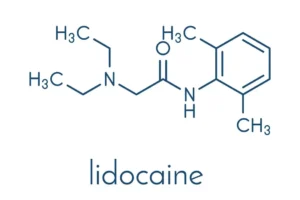
At its core, numbing cream works by using active ingredients that belong to the local anesthetic family. The most common ones you’ll come across are lidocaine, benzocaine, and prilocaine. These compounds are known for their ability to numb the skin by preventing pain signals from reaching the brain. Depending on the strength and concentration, some creams are fast-acting but short-lived, while others are marketed as maximum strength or long-lasting for extended tattoo sessions.
Numbing Cream vs. Natural Pain Tolerance
One important thing to note is that using numbing cream is very different from relying on your natural pain tolerance. While some people prefer to “tough it out” during a tattoo, others find that the pain can be distracting or even overwhelming. By applying a numbing cream, you give yourself the option of staying more relaxed, which not only makes the process easier on you but can also help your tattoo artist work more efficiently without frequent breaks.
How Long Does Tattoo Numbing Cream Last on Skin?
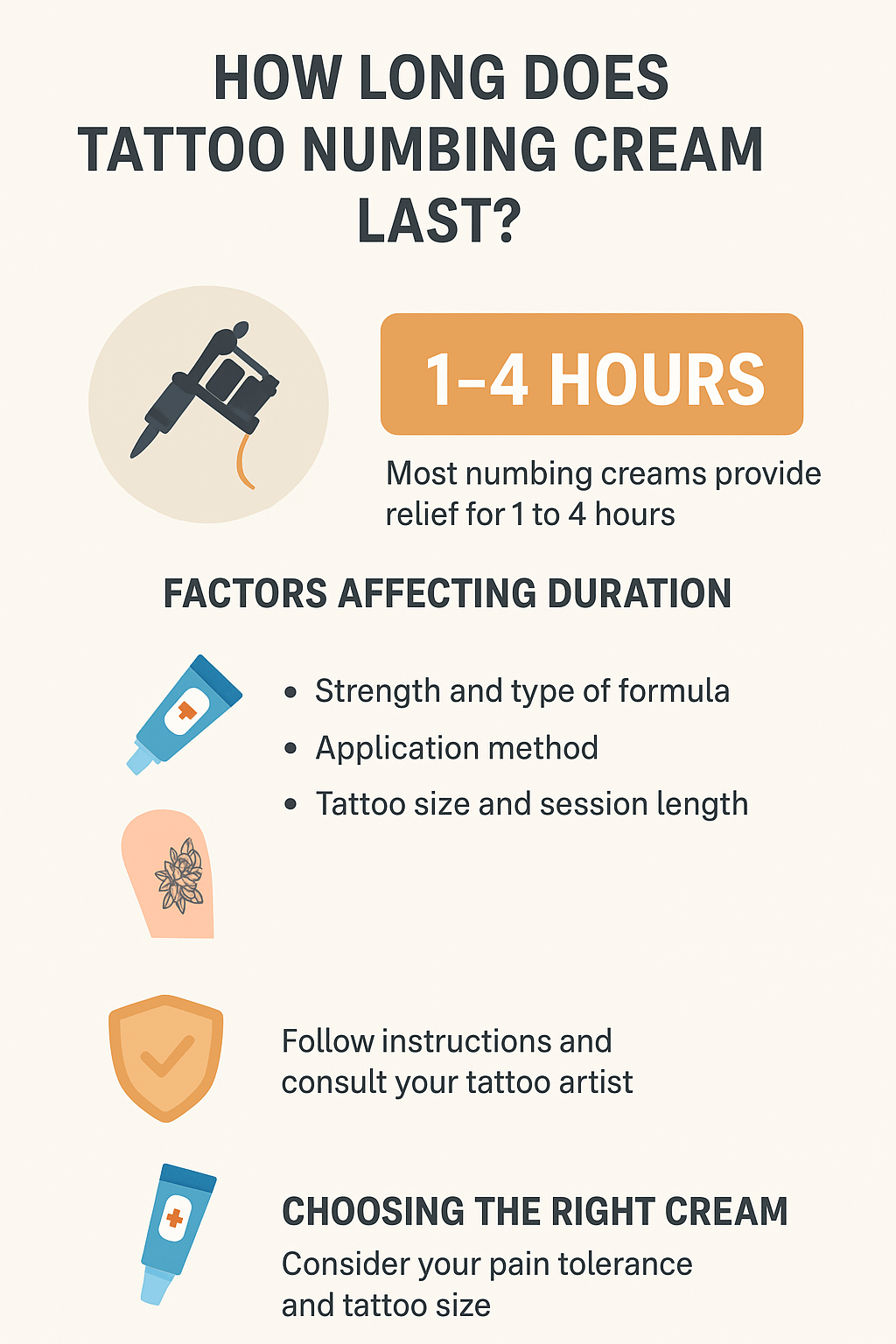
One of the most common questions people ask before their appointment is: “How long does tattoo numbing cream actually last?” On average, most numbing creams provide relief for 1 to 4 hours after proper application. This window is usually enough for smaller tattoos or touch-ups, but for larger, more detailed pieces that stretch into several hours, the numbing effect may begin to wear off before the session ends.
It’s important to remember that numbing cream doesn’t completely erase every sensation—it dulls the sharpness of the needle and makes the process more tolerable. Some formulas are designed to be fast-acting but short-lived, while others are marketed as long-lasting, extended-duration, or medical-grade options that keep the skin desensitized for longer periods. Brands like Dr. Numb, Hush, TKTX, and Zensa are often compared by how long they can hold up during tattoo sessions.
Factors That Affect Effectiveness
Not all tattoo numbing creams perform the same way. While some keep the skin desensitized for hours, others wear off much faster. The difference often comes down to a mix of the formula, how it’s applied, and the tattoo itself. Understanding these factors can help you make smarter choices before your session so you’re not left surprised halfway through.
Type and Strength of Formula
The first thing that influences how effective a numbing cream will be is its strength and formulation. Over-the-counter options typically contain 2% to 4% lidocaine, which works well for shorter tattoos but may fade quickly during longer sessions. On the other hand, maximum strength creams with 5% lidocaine or blends of lidocaine, benzocaine, and prilocaine are designed to provide a stronger, more long-lasting effect.
Some brands also use medical-grade formulations tested by dermatologists for sensitive skin. For example, products like Dr. Numb, TKTX, Hush Gel, and Zensa are often compared not only for how fast they work but also for how long their numbing effect lasts. Choosing the right strength for your needs makes a huge difference in comfort.
Application Technique
Even the best cream won’t perform well if it’s not applied correctly. Proper application can extend the duration of pain relief and ensure the cream penetrates deeply enough into the skin. The recommended method usually involves:
-
Applying a thick, even layer of cream over the area to be tattooed.
-
Covering it with plastic wrap or cling film to trap heat and improve absorption.
-
Allowing at least 30–60 minutes for the numbing agents to take full effect.

Skipping steps—or applying the cream too thinly—can lead to patchy results where some areas are numb while others feel everything. For large tattoos, following application guidelines is especially critical to ensure consistent comfort.
Tattoo Size and Session Length
The size and complexity of your tattoo also play a big role in how effective numbing cream feels. For a small design that takes under an hour, most creams hold up just fine. But if you’re sitting for a multi-hour session, especially for back pieces, sleeves, or chest tattoos, the numbing effect may wear off before the work is finished.
Longer sessions often mean more stretching, wiping, and reworking of the skin—factors that can reduce the cream’s effectiveness over time. This is why some people opt for reapplication during breaks or switch to complementary options like numbing sprays, which can provide temporary relief as the session progresses.
By taking these factors into account, you’ll have a clearer picture of how your chosen cream will perform and whether you’ll need extra strategies to stay comfortable throughout your tattoo.
Can Numbing Cream Last a Full Tattoo Session?
One of the biggest concerns for anyone considering numbing cream is whether it will last throughout an entire tattoo session. The truth is, the answer depends on the size of the tattoo, the length of the session, and the type of cream used. While some numbing creams claim to last up to four hours, it’s rare for them to cover very long sessions without some degree of fading.
Small vs. Large Tattoos
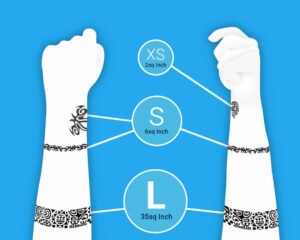
For small tattoos—like minimalist designs, wrist pieces, or single-line artwork—a high-quality numbing cream is usually more than enough. Most sessions under an hour are completed before the numbing effect wears off, leaving clients with a relatively pain-free experience.
For large tattoos, such as back pieces, sleeves, or chest work that stretch into several hours, the situation is different. Even strong, maximum-strength lidocaine creams may start to lose effectiveness halfway through the session. In these cases, some clients and artists use numbing sprays or gels during breaks to refresh the desensitization. Others accept that the cream provides relief for the beginning stages, while the body’s natural endorphins help carry them through the rest.
Artist Perspectives on Numbing Creams
Tattoo artists have mixed opinions when it comes to numbing cream. Some are supportive, recognizing that it helps clients with low pain tolerance or those sitting through long, complex designs. They point out that when a client is more comfortable, they can sit still longer, making the process smoother and more efficient.
On the other hand, some artists are cautious. They argue that certain numbing creams can change skin texture, making it slightly rubbery or more difficult to work with. Others emphasize that not all products are reliable—some wear off quickly, leaving the client with heightened pain sensitivity once the effect fades.
The best approach is open communication. If you’re planning to use numbing cream, talk with your tattoo artist beforehand. Many experienced professionals can recommend trusted brands like Dr. Numb, Hush, TKTX, or Zensa and guide you on how to apply them properly. This ensures the cream complements the process rather than interfering with it.
For most people, numbing cream won’t guarantee comfort for an entire multi-hour session, but it can absolutely make the first few hours much easier to handle. Combined with breaks, sprays, and the body’s natural adjustment to pain, it’s a valuable tool for improving the tattoo experience.
Best Practices to Make Numbing Cream Last Longer
While most tattoo numbing creams are designed to last between one to four hours, the way you prepare and apply them can significantly influence their effectiveness. By following a few simple best practices, you can maximize comfort and ensure the cream provides the longest possible relief during your tattoo session.
Prep Your Skin Before Application
Clean, healthy skin absorbs numbing cream far better than skin that is oily or dirty. Before applying, gently wash the area with mild soap and warm water to remove dirt and excess oils. Some people also use a gentle exfoliation step to remove dead skin cells, which helps the cream penetrate more evenly. Avoid using heavy lotions or moisturizers beforehand, as these can create a barrier that limits absorption.
Timing Is Everything
One of the most common mistakes people make is applying the cream too late. For the best results, apply a thick layer of numbing cream 30 to 60 minutes before your tattoo session. Cover the area with cling film or plastic wrap, which traps heat and enhances absorption into the skin. This simple step ensures the numbing agents—like lidocaine, benzocaine, or prilocaine—have enough time to activate before the tattooing begins.
Apply Generously and Evenly
A thin layer won’t do much, especially for larger tattoos. For maximum effectiveness, apply a thick, even layer over the entire tattoo area. Make sure no skin is left uncovered, as this could lead to patchy results where some parts of the tattoo feel numb while others remain sensitive.
Consider Reapplication for Longer Sessions
If you’re scheduled for a multi-hour tattoo, expect that the cream may wear off before the session ends. During breaks, ask your tattoo artist if it’s possible to reapply numbing cream or use a numbing spray to extend the effect. Many artists are open to this approach, especially when working on larger, detailed designs that require hours of focus.
Pair with Natural Pain Management
Even when applied correctly, numbing cream doesn’t block every sensation. Combining it with natural pain-relief strategies—such as controlled breathing, staying hydrated, and taking breaks—can make the overall process much more comfortable. For people with sensitive skin, sticking with trusted, dermatologist-recommended brands like Dr. Numb, Hush, Zensa, or TKTX can also reduce risks of irritation while maximizing duration.
Popular Brands & How Long They Last
Not all tattoo numbing creams are created equal. Some are designed for fast-acting relief, while others are formulated to last through long tattoo sessions. Choosing the right brand depends on your pain tolerance, skin type, and the size of the tattoo you’re planning to get. Let’s look at some of the most popular and trusted brands, along with how long their effects typically last.
Hush Numbing Cream
Hush is one of the most recognized names in the tattoo community. Known for its long-lasting lidocaine formula, Hush can provide relief for up to 3 to 4 hours. Many tattoo artists recommend it for larger pieces since it maintains numbness longer than many standard creams. Plus, its water-based formula makes it safe for sensitive skin and easier to clean off before the tattooing starts.
Dr. Numb
Dr. Numb is a popular choice for people who want fast-acting, reliable pain relief. It typically lasts 1.5 to 3 hours, making it ideal for small to medium tattoos or shorter sessions. Its non-oily texture helps it absorb quickly, and it’s widely available online and in local pharmacies, which adds to its convenience factor.
TKTX Numbing Cream
TKTX is often favored for its extended numbing power, lasting anywhere from 3 to 5 hours, depending on the formula. It’s considered one of the stronger creams on the market, with some versions offering extra potency. However, because TKTX has many different strengths and variations, it’s important to buy from a reputable source to avoid counterfeits.
Emla Cream
Emla isn’t marketed specifically as a tattoo numbing cream, but it’s a medical-grade topical anesthetic trusted by dermatologists for minor procedures. On average, it provides numbness for 1 to 2 hours, though covering the skin with plastic wrap during absorption can extend its effect. It’s a solid choice for people who want a product with a proven safety track record.
Zensa Numbing Cream
Zensa is another highly respected brand, often recommended by tattoo artists for people with sensitive skin. It contains 5% lidocaine and is enriched with vitamin E, making it both effective and soothing. Zensa usually lasts around 2 to 3 hours, but many clients find it more comfortable because it doesn’t cause as much irritation or redness compared to stronger creams.
Choosing Between Long-Lasting and Fast-Acting Options
If you’re planning a large back piece or sleeve, long-lasting options like Hush or TKTX are generally better. For smaller tattoos or sessions under two hours, Dr. Numb, Emla, or Zensa can provide reliable, quick relief without over-numbing the skin. Ultimately, the best choice depends on the tattoo’s size, location, and your own pain tolerance, but knowing how long each brand lasts helps you prepare for a smoother experience.
Risks, Side Effects & Safety Considerations
While tattoo numbing creams can make the inking process far more comfortable, it’s important to remember that they are still topical anesthetics with active ingredients like lidocaine or prilocaine. Understanding the potential risks, side effects, and safety considerations helps you use these products responsibly and avoid complications during or after your tattoo session.
FDA Approval & Quality Standards
Not all numbing creams are created equal. Some are FDA-approved for topical use, while others are sold without clear regulation. Using unapproved or counterfeit creams can pose risks, as their ingredients may not be tested for safety or effectiveness. Always check labels, buy from trusted sources, and look for products that meet medical-grade standards to minimize risk.
Skin Reactions & Sensitivity Issues
Everyone’s skin reacts differently. For some people, lidocaine-based creams may cause:
-
Redness or irritation at the application site
-
Itching or swelling, especially for those with sensitive skin
-
Allergic reactions, though rare, can include rashes or hives
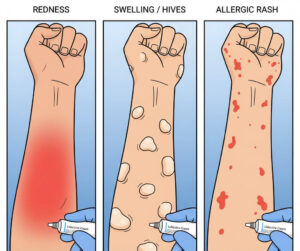
Tattoo artists often recommend doing a patch test before full application, especially if you’ve never used numbing creams before. This helps you catch potential reactions before committing to a full session.
Risks of Overuse & Incorrect Application
Applying too much numbing cream or leaving it on longer than recommended doesn’t make it more effective, it can actually be harmful. Overuse may lead to:
-
Reduced ink absorption, which can affect tattoo quality
-
Systemic side effects, like dizziness, headache, or irregular heartbeat, if large amounts of lidocaine enter the bloodstream
-
Skin softening, making it harder for the tattoo artist to work effectively
Following the manufacturer’s instructions and your artist’s guidance ensures safe use without compromising the tattooing process.
When to Avoid Numbing Creams
In some cases, numbing creams might not be the right choice. People with certain conditions, such as:
-
Heart problems
-
Liver disease
-
Known lidocaine allergies
should consult with a doctor before using topical anesthetics. Pregnant or breastfeeding individuals should also seek medical advice to avoid unnecessary risks.
Balancing Comfort & Safety
The goal of numbing cream is to make tattoos less painful, not riskier. By choosing regulated products, applying them correctly, and being aware of your body’s sensitivities, you can safely benefit from their pain-relieving effects without jeopardizing your tattoo or your health.
FAQs
How long does tattoo numbing cream usually last?
Most tattoo numbing creams provide relief for about 1 to 4 hours, depending on the brand, strength, and how well they are applied. For example, stronger formulas like Hush or Zensa are designed to last longer and may remain effective for multi-hour sessions, while lighter pharmacy options like Emla tend to wear off sooner. Factors such as skin type, tattoo size, and session length also influence duration, so always check the product instructions for the most accurate timing.
Can numbing cream last for a full tattoo session?
For short tattoos, a single application of numbing cream may be enough. However, for large, detailed pieces that take several hours, the cream usually wears off before the session ends. Some artists allow a safe reapplication during breaks, but it depends on the tattoo style and placement. While premium numbing creams can make longer sessions more comfortable, they rarely cover an entire multi-hour tattoo without some fading of effect.
Do tattoo artists recommend using numbing cream?
Tattoo artists have mixed opinions about numbing creams. Some recommend trusted brands like Dr. Numb or Zensa because they can make the process easier for first-timers or clients with low pain tolerance. Others prefer working without it, as excessive use may affect skin texture and ink absorption. The best approach is to discuss it with your artist beforehand, since their experience and technique often determine whether numbing cream enhances or disrupts the tattoo process.
Is numbing cream safe for all skin types?
Most people can safely use tattoo numbing creams, but those with sensitive skin, allergies, or pre-existing conditions should be cautious. Active ingredients like lidocaine or prilocaine can sometimes cause redness, itching, or swelling. A patch test before your appointment is recommended to check for reactions. If you have medical conditions such as heart problems, liver disease, or lidocaine allergies, consult a healthcare professional before applying numbing products.
Which numbing cream lasts the longest for tattoos?
Among popular options, Hush, Zensa, and Dr. Numb are often praised for their long-lasting numbing effects, sometimes lasting up to 3–4 hours when applied correctly. Budget creams like TKTX can also work well but may have inconsistent results depending on authenticity and batch quality. Choosing the longest-lasting cream depends on your tattoo’s length, placement, and your own skin sensitivity.
How can I make numbing cream last longer during a tattoo?
To extend effectiveness, follow best application practices: exfoliate and clean the skin beforehand, apply a generous but even layer of cream, and cover it with plastic wrap for 30–60 minutes before your session. Proper timing is crucial—apply too early, and the effect may fade before the needle hits. For longer sessions, some creams allow safe reapplication, but this should be done only under guidance and with your artist’s approval.
Are there risks or side effects of using tattoo numbing cream?
Yes, while most people use them without issue, numbing creams can sometimes lead to skin irritation, allergic reactions, or reduced tattoo quality if overused. In rare cases, excessive application may allow lidocaine to enter the bloodstream, causing dizziness or nausea. Always use FDA-approved products, follow the instructions carefully, and never apply more than recommended. Safe use ensures comfort without compromising health or tattoo results.
Is tattoo numbing cream worth the cost?
For many people, yes. Premium creams like Hush or Zensa cost more but provide reliable comfort for longer sessions, making them a valuable investment if you’re getting a large tattoo. Budget options like TKTX or Emla are often enough for smaller designs or short sittings. Ultimately, the decision depends on your pain tolerance, tattoo size, and budget—but for those who find tattoo pain overwhelming, numbing cream is usually worth the expense.
Conclusion
Tattoo numbing creams generally last between 1 to 4 hours, offering a valuable window of comfort for both beginners and seasoned tattoo enthusiasts. Their effectiveness depends on factors like the formula, application method, and session length, making it important to choose wisely and prepare your skin properly. Safe and informed use is key—always follow product instructions, consult your tattoo artist, and consider your personal skin sensitivity. By selecting the right cream for your needs, you can make your tattoo experience smoother, less painful, and more enjoyable.