
Lidocaine Tattoo Numbing Cream: Fast & Pain-Free Relief

Getting a tattoo is more than just an art form—it’s a personal statement, a memory, or a symbol that stays with you for life. But anyone who has sat in a tattoo chair knows that the process can be painful, especially for larger pieces or sensitive areas of the body. This is where tattoo numbing creams come into play, providing a reliable solution to manage discomfort and make the tattoo experience smoother and more enjoyable.

Lidocaine tattoo numbing creams are a type of topical anesthetic for tattoos that help reduce pain by temporarily numbing the skin. They work by targeting the nerve endings in the skin, minimizing the sensation of pain without affecting your overall awareness. Whether you’re getting a small design or a full sleeve, a tattoo pain relief cream can make the session significantly more comfortable.

Tattoo artists often recommend using these creams for clients who are sensitive to pain or trying their first tattoo. At the same time, dermatologists highlight the importance of choosing a product that is safe, hypoallergenic, and designed specifically for skin application, as not all topical anesthetics are created equal.

One of the biggest advantages of modern lidocaine creams is that they are fast-acting, providing noticeable relief within minutes, and long-lasting, keeping the numbing effect throughout the tattoo session. Their easy application means you can apply them at home under guidance or have your tattoo artist help during your appointment.

By understanding how tattoo numbing creams work and the benefits they offer, you can approach your next tattoo with confidence, knowing that discomfort doesn’t have to overshadow your experience.

📘 Related Article: What Creams Help Numb Skin Before Tattoos
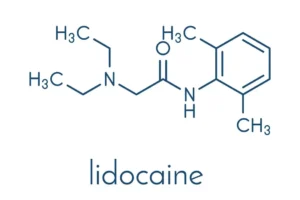
What is Lidocaine Tattoo Numbing Cream?

What is Lidocaine Tattoo Numbing Cream?

Definition and Overview

Lidocaine tattoo numbing cream is a specialized skin numbing cream for tattoos designed to reduce pain and discomfort during tattoo sessions. Lidocaine itself is a local anesthetic belonging to the class of amide-type anesthetics, which are commonly used in medical and cosmetic procedures to temporarily block nerve signals in targeted areas of the skin. Unlike systemic painkillers, lidocaine works directly at the site of application, offering topical analgesia without affecting overall awareness.

This makes it an ideal solution for people looking to manage discomfort while ensuring precision during tattooing. By numbing the surface of the skin, it allows tattoo artists to work more efficiently while clients enjoy a significantly less painful experience.

How It Works

Lidocaine numbing creams act by blocking sodium channels in the nerve endings of your skin. This prevents pain signals from reaching the brain, resulting in a fast-acting numbing effect that can last throughout the tattoo session. Many products offer maximum strength or extra-strength formulas to ensure that even larger or more sensitive areas remain numb, reducing the chances of sudden discomfort.

The cream penetrates the skin quickly, forming a barrier that helps clients stay comfortable without interfering with the tattooing process. This mechanism not only eases pain but also reduces involuntary movements caused by discomfort, allowing for more precise and smooth artwork.

Who Can Use It?

Lidocaine tattoo numbing cream is generally safe for a wide range of users, including those with sensitive skin or those getting their first tattoo. Its formulation is designed to be gentle yet effective, making it suitable for most skin types.

Tattoo artists frequently recommend numbing creams to clients who are anxious about pain or undergoing lengthy sessions. Meanwhile, dermatologists emphasize choosing creams that are hypoallergenic, non-greasy, and formulated specifically for tattoo applications to minimize the risk of irritation or adverse reactions.

By understanding what lidocaine tattoo numbing cream is and how it works, users can make informed decisions about pain management and enjoy a more comfortable tattooing experience.

Benefits of Using Lidocaine Numbing Cream for Tattoos

Pain Relief During Tattooing

One of the primary reasons people turn to lidocaine tattoo numbing creams is for effective pain-free tattoo numbing solutions. Tattoo sessions, especially those involving detailed or large designs, can be uncomfortable. Applying a skin numbing cream for tattoos provides temporary tattoo pain relief by reducing the sensation of pain at the site, allowing clients to sit through longer sessions with ease.

These creams offer long-lasting relief and a rapid onset, meaning you can feel the numbing effect within minutes of application. This immediate effect not only eases discomfort but also helps prevent sudden flinches, giving tattoo artists a steadier surface to work on, resulting in smoother, more precise artwork.

Enhanced Tattoo Experience

Beyond physical pain relief, using a lidocaine numbing cream can enhance the overall tattoo experience. By reducing discomfort, it lowers stress and anxiety levels for both clients and tattoo artists, creating a more relaxed environment. Clients can focus on the excitement of their new artwork rather than dreading the pain, while artists benefit from fewer interruptions and smoother strokes.

Skin Safety and Comfort

Safety and comfort are key factors when choosing a topical anesthetic for tattoos. Many lidocaine creams are formulated to be hypoallergenic, non-greasy, and gentle on sensitive skin, making them suitable for a variety of skin types. Some even include a cooling effect that soothes the skin during the tattooing process.

Professional tattoo studios and dermatology clinics often recommend these creams because they minimize irritation while maximizing comfort. This combination of effectiveness and safety ensures that clients can enjoy their tattoo experience without compromising skin health.

Benefits of Using Lidocaine Numbing Cream for Tattoos

How to Apply Lidocaine Tattoo Numbing Cream

Step-by-Step Guide

Applying lidocaine tattoo numbing cream correctly is essential to get the best pain-free tattoo numbing solution. If you’ve ever wondered how to use lidocaine numbing cream for tattoos or are looking for lidocaine cream application instructions for tattoos, here’s a simple guide:

  1. Clean the Area – Begin by washing the skin with mild soap and warm water to remove oils, dirt, or lotions. This ensures optimal absorption of the cream.

  2. Apply a Thin Layer – Squeeze a small amount from the convenient tube and gently spread it evenly over the tattoo area. The cream is easy-to-apply and designed for mess-free application.

  3. Cover for Maximum Effect – For better absorption, you can cover the area with plastic wrap. This helps the cream penetrate the skin more effectively and enhances the numbing effect.

  4. Wait for Numbing to Take Effect – Typically, it takes about 20–30 minutes for the cream to reach full potency. During this time, avoid rubbing or touching the area.

How to Apply Lidocaine Tattoo Numbing Cream

Following these steps ensures that you get the most comfort during your tattoo session while making it easier for your tattoo artist to work smoothly.

Dosage and Timing

Using the right amount of lidocaine cream is crucial. A thin, even layer is usually sufficient for most areas. Over-application won’t speed up numbing and may irritate the skin. For larger tattoos, apply in sections rather than all at once.

Timing is equally important. Applying the cream 20–30 minutes before the session allows the rapid onset of the numbing effect. For sensitive areas, ensure you monitor skin response and adjust accordingly.

By following these application tips, you can achieve a comfortable, pain-reduced tattoo experience while protecting your skin and making the process smoother for your tattoo artist.

Top Lidocaine Tattoo Numbing Cream Products

Comparative Guide for Popular Products

Choosing the right lidocaine tattoo numbing cream can make a significant difference in your tattoo experience. Whether you’re a first-timer or a seasoned enthusiast, selecting a product that combines effectiveness, safety, and skin-friendly ingredients is essential. Here’s a look at some top-rated tattoo numbing creams and how they compare.

Ebanel 5% Lidocaine Numbing Cream

Ebanel 5% Lidocaine Numbing Cream is widely praised for its rapid onset and long-lasting relief. It contains lidocaine HCl, which provides strong numbing power, and is enriched with vitamin E to help soothe and protect the skin. Its non-greasy formula makes it perfect for mess-free application.

Dr. Numb 5% Lidocaine Cream

Dr. Numb offers another highly effective option with a smooth, easy-to-apply texture. It combines lidocaine HCl with allantoin for added skin protection, making it ideal for sensitive areas. Many users report that it provides a maximum strength numbing effect for longer tattoo sessions.

Zensa Numbing Cream

Zensa Numbing Cream is popular for its gentle, hypoallergenic formulation. Infused with chamomile and aloe vera, it provides a cooling effect while numbing the skin. This makes it especially suitable for those with sensitive skin who are seeking temporary tattoo pain relief.

TKTX Numb Maximum Strength Pain Reliever

For clients who need an extra-strength formula, TKTX Numb is a strong contender. It delivers fast-acting numbing and is designed for maximum comfort during longer sessions. Its potent lidocaine HCl content ensures consistent relief, making it a favorite among tattoo artists and clients alike.

When comparing these options, consider your skin type, the size and sensitivity of the tattoo area, and the desired duration of numbness. Evaluating the lidocaine tattoo numbing cream vs. other brands can help you select the best product that balances effectiveness, skin safety, and comfort.

Side Effects and Precautions

Common Side Effects

While lidocaine tattoo numbing creams are generally safe when used correctly, it’s important to be aware of potential tattoo numbing cream side effects. Some users may experience mild reactions such as redness, itching, or temporary skin irritation at the application site. In rare cases, overuse or high concentrations of lidocaine can cause dizziness, nausea, or a tingling sensation beyond the treated area.

Warnings for Allergies or Sensitive Skin

Before applying any topical anesthetic for tattoos, it’s crucial to test a small amount on a discreet patch of skin. People with sensitive skin or known allergies should be extra cautious, as reactions can range from mild irritation to more severe allergic responses. Products formulated with hypoallergenic ingredients, like chamomile or aloe vera, are often recommended to minimize irritation.

Consult Professionals

For personalized advice, it’s best to consult dermatologists or pain management specialists. They can recommend the appropriate concentration of lidocaine cream based on your skin type, the size of the tattoo, and any underlying health conditions. Professional guidance ensures that you achieve effective pain relief without compromising safety.

Safety Considerations in Tattoo Parlors/Studios

Tattoo artists and tattoo parlors should follow strict hygiene and application protocols when using numbing creams. This includes wearing gloves, ensuring clean skin surfaces, and avoiding over-application to reduce risks. By following these precautions, both clients and artists can maintain a safe and comfortable environment while achieving optimal results.

Comparative Analysis

Lidocaine Creams vs. Other Numbing Solutions

When it comes to managing tattoo pain, there are several options available, including lidocaine creams, gels, sprays, and patches. Many users wonder does lidocaine numbing cream work for tattoos and how it compares to alternative solutions.

Lidocaine creams are generally considered the best numbing cream for tattoo pain because they provide targeted, long-lasting relief and are easy to apply. They form a protective layer on the skin, allowing the active ingredient to penetrate effectively and numb the area quickly.

Gels and sprays, while also effective, may offer shorter duration relief and can sometimes evaporate or drip, making them less practical for longer tattoo sessions. Patches provide consistent dosing but are limited in coverage and can be inconvenient for irregular or larger tattoo areas.

Pros and Cons of Different Numbing Solutions

Numbing Solution Pros Cons
Lidocaine Creams Fast-acting, long-lasting, easy-to-apply, covers large areas, suitable for sensitive skin Requires waiting time for full effect, over-application may irritate skin
Gels Quick application, less greasy Shorter duration, may drip or smear
Sprays Convenient for small areas, rapid effect Limited coverage, less precise application
Patches Consistent dose, convenient for small tattoos Limited size, may not adhere well to uneven surfaces, slower onset

By comparing these options, you can select the most suitable solution based on your tattoo size, sensitivity, and session length. Lidocaine tattoo numbing creams consistently stand out for their balance of effectiveness, comfort, and ease of use, making them a preferred choice for both clients and tattoo artists.
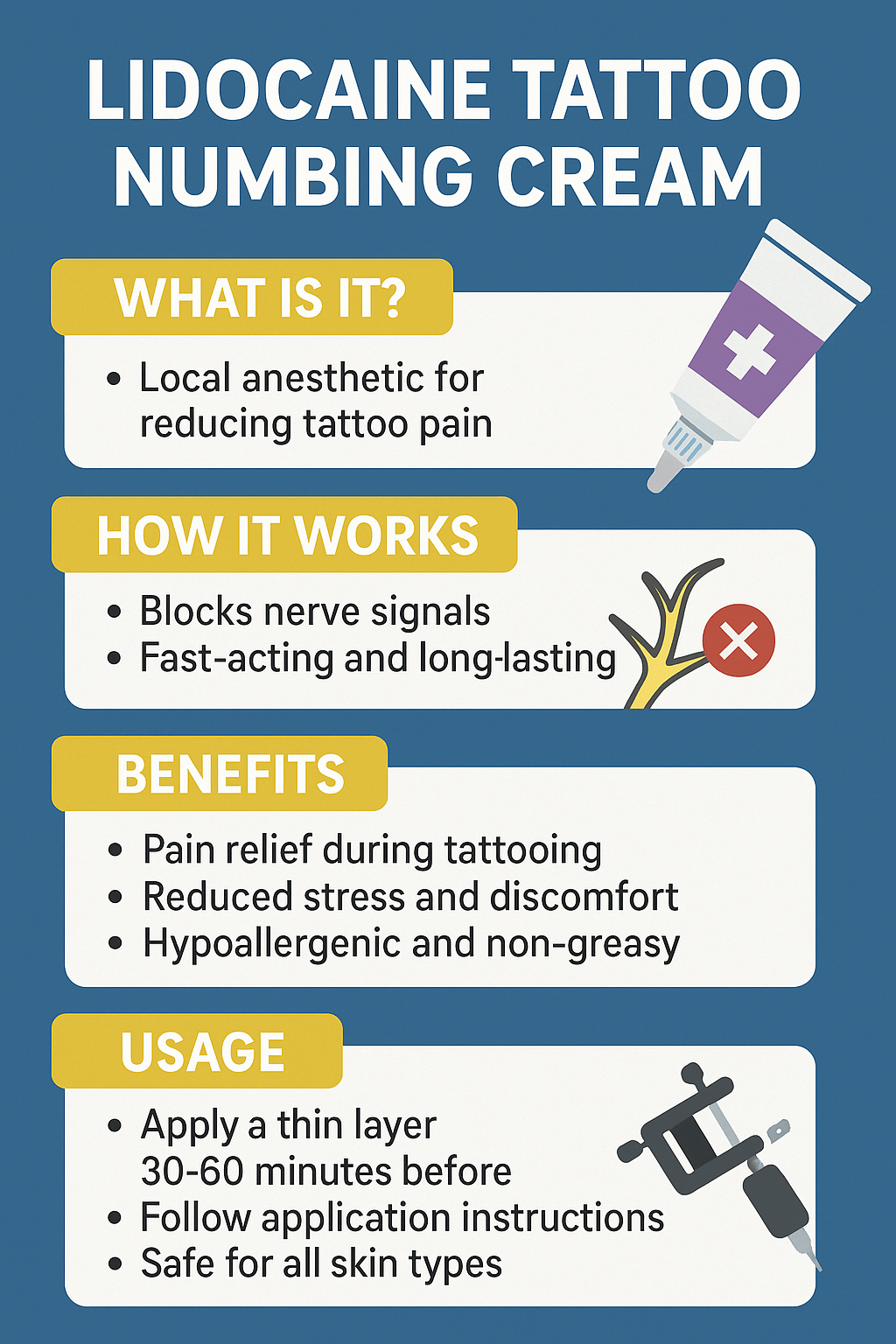
Lidocaine Tattoo Numbing Cream

Frequently Asked Questions 

What is Lidocaine Tattoo Numbing Cream and how does it work?

Lidocaine tattoo numbing cream is a topical anesthetic specifically formulated to reduce pain during tattooing. It works by blocking sodium channels in the nerve endings of your skin, preventing pain signals from reaching your brain. This creates a fast-acting, localized numbing effect, allowing both tattoo artists and clients to focus on precision and comfort. Its extra-strength formulas are especially useful for larger tattoos or sensitive areas, ensuring a smoother and more controlled tattooing experience.

Who can safely use Lidocaine numbing cream?

Lidocaine tattoo numbing creams are generally safe for most adults, including those with sensitive skin. Dermatologists recommend choosing products that are hypoallergenic, non-greasy, and specifically formulated for tattoo application to avoid irritation. Tattoo artists often suggest these creams for clients who are nervous about pain or getting a tattoo for the first time. However, people with known allergies to amide-type anesthetics or certain skin conditions should consult a healthcare professional before use.

How long does Lidocaine numbing cream take to work?

Most lidocaine creams provide noticeable pain relief within 15–30 minutes after application, depending on the product strength and thickness of the layer applied. The numbing effect can last for several hours, making it ideal for lengthy sessions. Attributes like fast-acting and long-lasting relief ensure clients can stay comfortable throughout the tattoo process without interruptions.

Can Lidocaine cream be applied to all areas of the body?

While lidocaine tattoo numbing cream is suitable for most skin types, care should be taken on very sensitive areas such as the face, neck, or joints. Tattoo artists often advise testing a small patch before full application to ensure there is no irritation. Products with gentle, hypoallergenic formulas are recommended for sensitive skin to maintain safety and comfort during the tattooing process.

Are there any side effects of using Lidocaine tattoo numbing cream?

Side effects are uncommon when the cream is used as directed. Some people may experience mild redness, temporary tingling, or slight swelling at the application site. Serious reactions are rare but can occur in individuals with allergies to local anesthetics. Dermatologists advise reading product labels carefully and following instructions to minimize risks, and consulting a professional if unusual symptoms appear.

Can I use Lidocaine numbing cream for my first tattoo?

Absolutely! Many first-time tattoo clients benefit from using lidocaine numbing cream to manage discomfort and anxiety. Applying the cream correctly can make your first tattooing experience more comfortable, allowing you to focus on the artistry rather than the pain. Tattoo artists often recommend combining proper numbing with patience and hydration for the best results.

Where can I buy safe and effective Lidocaine tattoo numbing creams?

You can purchase reputable lidocaine tattoo numbing creams from trusted brands like Ebanel, Dr. Numb, Zensa, and TKTX through local tattoo supply stores, pharmacies, or verified online retailers. When buying, look for maximum strength, hypoallergenic, and dermatologist-tested products to ensure safety and efficacy. Checking reviews and consulting with your tattoo artist can also help you choose the right product for your needs.

Can tattoo artists apply Lidocaine cream for me?

Yes, many professional tattoo artists apply lidocaine cream to clients before starting the session. They are trained to use the right amount and apply it safely to the intended area. This ensures even coverage and maximizes the fast-acting, long-lasting numbing effect while maintaining skin health during the tattooing process.

Is Lidocaine numbing cream FDA-approved?

Many lidocaine creams used for tattooing contain FDA-approved ingredients like lidocaine HCl. While some products are specifically marketed for tattoo pain relief, always check the label and confirm the product’s safety standards. Consulting a dermatologist or a licensed professional can help ensure the cream is suitable for your skin type and local regulations.

How should I prepare my skin before applying Lidocaine cream?

Before applying lidocaine tattoo numbing cream, clean the area thoroughly and make sure the skin is dry. Avoid applying over broken skin or active infections. Tattoo artists often recommend applying a thin, even layer and covering it with a plastic wrap for optimal absorption. Attributes like non-greasy and mess-free application make the process easy and convenient for both clients and artists.

Conclusion

Using lidocaine tattoo numbing creams offers a reliable pain-free tattoo numbing solution, making tattoo sessions more comfortable and enjoyable. These creams provide long-lasting relief, are fast-acting, and designed for safe application on various skin types, including sensitive areas. By following proper application instructions and considering safety precautions, clients can enhance their tattoo experience while protecting their skin.

It’s always advisable to consult dermatologists or tattoo professionals before using any topical numbing cream for body art to ensure the product is suitable for your skin and the specific tattoo procedure. Exploring top-rated lidocaine numbing creams can help you find the most effective options, combining comfort, safety, and convenience for your next tattoo session.

Similar Posts

Leave a Reply

Your email address will not be published. Required fields are marked *