
Getting a tattoo can be an exciting experience, but the thought of needle pain can make anyone hesitate. That’s where understanding tattoo numbing cream directions becomes essential. Proper application of a topical anesthetic ensures you enjoy a pain-free session while keeping your skin safe. Most numbing creams contain active ingredients like lidocaine or prilocaine, which temporarily block nerve signals in the targeted area. When applied correctly, they minimize discomfort, prevent excessive flinching, and allow your tattoo artist to work more precisely. Using the cream without following the proper steps can reduce its effectiveness and may even cause irritation, so knowing how to apply tattoo numbing cream is key for both comfort and safety.
Applying a tattoo numbing cream isn’t just about slathering it on the skin—it’s a simple, but precise process that maximizes its benefits. Start with a clean, dry area, and apply a generous but even layer over the skin where the tattoo will be placed. Covering it with a plastic wrap or occlusive film helps the anesthetic absorb more effectively, enhancing topical numbing effects. Timing matters too: leaving the cream on for the recommended duration—usually 20 to 60 minutes depending on strength—ensures optimal pain relief. By following these steps, you not only reduce the sensation of pain but also support better tattoo healing and overall experience. Understanding the correct usage of tattoo numbing cream empowers you to take control of your comfort and enjoy your new ink with confidence.
What is Tattoo Numbing Cream?

A tattoo numbing cream is a specially formulated topical anesthetic designed to reduce pain and discomfort during tattooing. Applied directly to the skin before the needle touches it, this external analgesic temporarily blocks nerve signals, making the tattooing process more comfortable. For many, especially those getting their first tattoo or working on sensitive areas, a numbing cream can turn an intimidating experience into a much more manageable one.
The key to its effectiveness lies in its active ingredients, typically lidocaine and prilocaine. These compounds work by calming nerve endings in the applied area, preventing them from sending pain signals to the brain. As a result, your skin becomes less sensitive, allowing your tattoo artist to work more precisely while you experience minimal discomfort. Using a numbing cream isn’t just about easing pain—it also helps reduce flinching, maintain consistent ink application, and make the overall tattoo session smoother and more enjoyable. With the right application, a tattoo numbing cream can be a game-changer for anyone looking for a more comfortable tattoo experience.
How to Apply Tattoo Numbing Cream
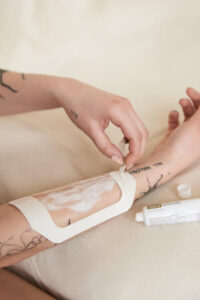
Applying tattoo numbing cream correctly is just as important as choosing a high-quality product. Proper application ensures maximum pain relief during tattooing, faster absorption, and a safe experience. Follow these simple steps to get the most out of your topical anesthetic.
Understanding Topical Anesthetics for Tattoo Pain
Getting a tattoo is an exciting journey of self-expression, but the thought of needles piercing sensitive skin areas can make even the bravest feel anxious. This is where a tattoo numbing cream becomes your ultimate ally, transforming a potentially stressful session into a much more comfortable experience. These creams are specially formulated topical anesthetics for tattoo pain, designed to work directly on the skin to temporarily block pain signals before they reach your brain. By targeting the nerve endings in the applied area, the active ingredients—typically lidocaine or prilocaine—create a numbing effect that allows your tattoo artist to work with accuracy and precision. Not only does this reduce discomfort, but it also helps you remain relaxed throughout the session, ensuring that your tattoo comes out exactly as envisioned without unnecessary flinching or interruptions.
How It Blocks Pain Signals
The science behind tattoo numbing creams is simple yet incredibly effective. When applied as part of your pre-procedure prep, the cream penetrates the upper layers of the skin and acts as a local anesthetic, temporarily preventing your nerve endings from sending pain signals to your brain. This means you feel far less sensation during the tattooing process, turning a potentially stressful experience into a pain-managed, more enjoyable session. For those with sensitive skin or low pain tolerance, this step can make all the difference between a tense, interrupted appointment and a smooth, precise tattooing process. With consistent use of a trusted numbing cream, even larger tattoos or sessions in delicate areas become more manageable, allowing both you and your artist to focus on achieving perfect results.
Benefits for Sensitive Skin Areas
Some areas of the body, such as the ribs, inner arms, ankles, or collarbone, are notoriously sensitive and can make tattooing more uncomfortable. Applying a numbing cream to these delicate spots not only reduces the intensity of pain but also minimizes flinching, which is critical for maintaining smooth, even ink lines. This allows the tattoo artist to work more efficiently and ensures that the final design looks flawless. Beyond pain relief, using a topical anesthetic in sensitive areas also helps you stay calm and relaxed, which can improve circulation and reduce swelling during the session. Ultimately, the right numbing cream supports a better tattooing experience, giving you confidence that even the most sensitive areas can be tattooed with comfort and precision.
Choosing the Right Tattoo Numbing Cream
When shopping on Amazon or other platforms, selecting a high-quality tattoo numbing cream is crucial for safety and effectiveness. Look for products with proven absorption, strong active ingredients like lidocaine or prilocaine, and positive customer reviews highlighting consistent results. A reliable cream not only provides faster numbing and longer-lasting effects but also ensures your skin is protected throughout the tattooing process. For Amazon affiliates, this is the perfect opportunity to guide your readers toward trusted brands that deliver both comfort and reliability. With the right product, you can enjoy a stress-free, pain-managed tattoo session, giving you peace of mind and the confidence to fully embrace your new body art.
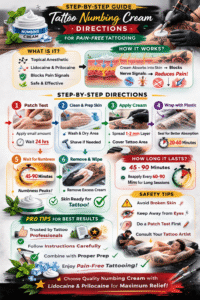
Step-by-Step Directions for Applying Tattoo Numbing Cream
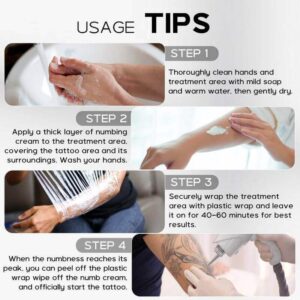
Applying tattoo numbing cream correctly can make all the difference between a tense, painful session and a smooth, comfortable experience. By following these step-by-step directions, you ensure maximum pain relief during tattooing, safer application, and optimal results. This guide also highlights important tips for Amazon shoppers looking for trusted products with proven effectiveness.
Patch Test First
Before using any topical anesthetic, performing a patch test is crucial for safety. Even creams with lidocaine or prilocaine can cause mild irritation or allergic reactions in some individuals. Apply a small amount to a discreet area of your skin, wait 24 hours, and monitor for redness, itching, or swelling. This simple step helps prevent unexpected reactions during your tattoo session and ensures that the cream is safe for your skin type. For Amazon buyers, this is a great way to highlight products that are dermatologist-tested, hypoallergenic, and safe for sensitive skin—qualities that build trust and boost confidence in your purchase.
Clean and Prep Skin
Proper pre-tattoo skin preparation is essential for effective absorption of the numbing cream. Begin by cleaning the tattoo area with a mild, fragrance-free cleanser to remove oils, dirt, and sweat. If needed, lightly shave the area to ensure a smooth surface—this also helps with exfoliation and ensures the cream contacts the skin evenly. Clean, prepped skin allows the active ingredients to penetrate more effectively, resulting in deeper pain management during tattooing. Highlighting this step can also guide Amazon shoppers toward products that pair well with proper skin prep, such as gentle cleansers and hypoallergenic shaving creams.
Apply the Cream
Once your skin is clean and dry, apply a generous, even layer of numbing cream over the entire tattoo area. The recommended layer thickness is usually about 1–2 mm—enough to cover the skin fully without wasting product. Ensure that the cream reaches the edges of the area to block all nerve signals effectively. Gently massage it in for better absorption if the instructions suggest. At this stage, emphasize the topical anesthetic application steps to your readers, helping them understand why proper coverage is critical for achieving maximum pain relief.
Wrap with Plastic Wrap
After applying the cream, cover the area with a plastic wrap or cling film. This occlusive method traps heat, enhances absorption, and prevents the cream from rubbing off onto clothing. The wrap also ensures that the numbing effect penetrates deeply into the skin, which is especially important for sensitive areas like ribs, inner arms, or ankles. Leave the wrap on for the duration recommended by the product—typically 20 to 60 minutes. Highlighting this step can also allow Amazon affiliates to suggest compatible plastic wraps or pre-cut film products that make application cleaner and easier.
Timing Before Tattoo Session
Timing is crucial for pain-managed tattooing. Start your tattoo session only after the cream has had enough time to fully numb the area. Most products require 30–60 minutes, depending on skin thickness and sensitivity. Rushing this step reduces effectiveness, while waiting too long may dry the cream out. Guiding readers on optimal timing reassures them that they can maximize comfort without compromising safety or the quality of the tattoo.
Removal and Post-Application Care
Once the waiting time is over, gently remove the plastic wrap and wipe away any excess cream with a clean tissue. Avoid scrubbing or using harsh products—your skin should remain calm and ready for tattooing. At this point, the area is fully prepped, numbed, and ready for the tattoo artist. Post-application care also includes monitoring for mild irritation and following the artist’s instructions for aftercare. For Amazon affiliates, this is a natural place to recommend high-quality wipes, gentle cleansers, or numbing creams with soothing ingredients that enhance comfort and skin safety.
How Long Numbness Lasts
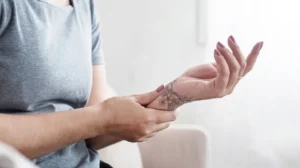
Understanding how long a tattoo numbing cream keeps your skin pain-free is essential for planning a comfortable tattoo session. The duration of numbness can vary depending on the type of cream, the concentration of active ingredients, and the area of the body being tattooed. Most creams contain lidocaine or prilocaine, which typically provide effective numbing for 45 to 90 minutes. This window allows your tattoo artist to work on small to medium-sized designs with minimal discomfort, giving you confidence and control throughout the process. For Amazon shoppers, highlighting trusted creams with consistent absorption and long-lasting effects can help convert readers into buyers seeking the best pain relief during tattooing.
Average Duration per Cream Type
Lidocaine-based topical creams are the most commonly used for tattoo pain management. Standard over-the-counter formulations usually begin working within 15–20 minutes and maintain numbness for about 45–60 minutes. Higher-concentration creams or professional-grade formulations may extend this effect to 90 minutes, which is ideal for larger tattoos or sessions in sensitive skin areas like ribs, inner arms, and ankles. By explaining these timeframes, readers can plan their session more effectively and feel prepared for a pain-managed tattooing experience.
Reapplication Guidelines for Long Sessions
For longer tattoo sessions or multiple areas, reapplication may be necessary to maintain comfort. Always follow the product instructions, as overuse can increase the risk of irritation or adverse reactions. Generally, numbing creams can be reapplied after the initial effect starts to fade, usually every 60–90 minutes, depending on the strength and formulation. Emphasize the importance of safe usage, especially for Amazon shoppers seeking creams with clear directions for long-lasting effectiveness, ensuring a comfortable and safe tattooing experience from start to finish.
By understanding both the duration of numbness and proper reapplication, you empower readers to choose the right product for their needs, enjoy stress-free sessions, and achieve the best results without unnecessary pain. For affiliate purposes, this is a natural opportunity to recommend highly rated lidocaine creams that deliver reliable, long-lasting numbing for all tattoo sizes and sensitive areas.
Safety and Precautions
Using a tattoo numbing cream can make your tattoo session far more comfortable, but like any topical anesthetic, safety should always come first. Even the most trusted creams can cause mild reactions, so understanding potential side effects and taking proper precautions ensures a smooth, pain-managed experience without complications. For Amazon shoppers, emphasizing safety while recommending reliable products builds trust and encourages confident purchases.
Common Side Effects
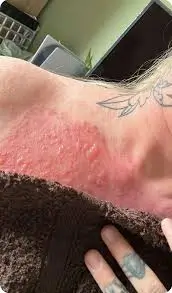
Most people tolerate lidocaine or prilocaine creams well, but some may experience minor side effects such as redness, mild irritation, or a tingling sensation at the application site. Rarely, allergic reactions can occur, causing swelling or rash. Awareness of these possibilities helps you monitor your skin and respond promptly if anything unusual happens. Highlighting creams that are dermatologist-tested, hypoallergenic, and gentle on sensitive skin is a natural way for Amazon affiliates to suggest products that minimize these risks while delivering effective pain relief.
Consult Your Tattoo Artist Before Use
Before applying any numbing cream, it’s wise to discuss it with your tattoo artist. Experienced professionals can provide guidance on how much to apply, where to apply it, and how long to leave it on, ensuring the best results without interfering with ink absorption. This step is particularly important for large tattoos, sensitive skin areas, or intricate designs. Encouraging readers to consult their artist also positions your guide as responsible and informative, while subtly promoting creams that are safe and recommended by professionals.
Keep Away from Eyes and Mucous Membranes
Tattoo numbing creams are strictly for external use. Avoid contact with eyes, lips, or other mucous membranes, as this can cause irritation or serious adverse reactions. When guiding readers, emphasize the importance of using high-quality creams with clear safety instructions, which reassures shoppers and reinforces the value of choosing trusted Amazon products.
By following these safety tips, readers can enjoy pain-free, stress-free tattoo sessions while minimizing risks. For Amazon affiliates, this section is a perfect opportunity to recommend safe, well-reviewed lidocaine creams that combine effectiveness with dermatological care, helping readers confidently purchase products that keep them comfortable and protected.
FAQs
What is tattoo numbing cream and how does it work?
Tattoo numbing cream is a specially formulated topical anesthetic designed to temporarily block pain signals from reaching the brain, making the tattooing process more comfortable. Most creams contain lidocaine or prilocaine, which penetrate the skin to numb sensitive areas, reducing discomfort during the session. By calming nerve endings in the targeted area, these creams help prevent flinching and allow your tattoo artist to work with greater precision. Whether you’re getting a small design or a larger, more detailed tattoo, numbing cream can make the experience significantly more manageable and less stressful, especially for first-timers or those with low pain tolerance.
Can I use numbing cream on sensitive or broken skin?
It is not recommended to apply tattoo numbing cream on broken, irritated, or infected skin, as this can increase the risk of irritation, rash, or other adverse reactions. However, if your skin is simply sensitive, you can safely use a dermatologist-tested, hypoallergenic cream, preferably after performing a patch test. Applying the cream correctly on intact sensitive skin provides effective pain management during tattooing without compromising your skin’s health. Always follow product instructions and consult your tattoo artist if you have concerns, ensuring both safety and comfort.
How long before a tattoo should numbing cream be applied?
Most tattoo numbing creams require 20 to 60 minutes to take full effect, depending on the strength of the active ingredients and the thickness or sensitivity of the skin area. Applying the cream too early may cause it to dry out, reducing effectiveness, while applying too late may result in incomplete numbing. Following the recommended timing ensures your skin is fully numbed and ready for a comfortable, pain-managed session. Planning ahead also allows you to coordinate with your tattoo artist for optimal results, especially during larger or more detailed tattoo designs.
Will numbing cream affect tattoo healing or ink absorption?
When applied as directed, numbing cream does not interfere with the tattooing process or healing. The key is to remove any excess cream before the session and avoid layering other ointments that could prevent proper ink absorption. Using high-quality creams with good skin absorption properties ensures your skin is protected while numbing effectively, minimizing discomfort without impacting the final tattoo quality. Following instructions also reduces the risk of irritation, so your tattoo heals smoothly while your session remains as comfortable as possible.
Can I reapply during a long tattoo session?
Yes, reapplication is possible for extended sessions, but it should always follow the product’s instructions. Most numbing creams can be safely reapplied every 60–90 minutes, depending on their formulation and concentration. Overuse can increase the risk of skin irritation or mild reactions, so it’s important to monitor the skin closely. Reapplication ensures consistent pain relief throughout long or multi-area tattoo sessions, helping you stay relaxed and comfortable while your artist works without interruptions.
Are numbing creams safe for first-time tattoo clients?
Absolutely! First-time tattoo clients often experience heightened anxiety and more sensitivity to pain, which can make the experience overwhelming. Using a lidocaine or prilocaine cream can help reduce fear and discomfort, allowing the skin to remain calm while your tattoo artist works. Proper application and following instructions ensure a safe, pain-managed tattoo session, giving first-timers confidence and allowing them to focus on enjoying the experience instead of worrying about needle pain.
Which areas benefit most from tattoo numbing cream?
Sensitive areas like the ribs, inner arms, ankles, feet, and collarbone often cause more discomfort during tattooing. Numbing cream can significantly reduce pain in these locations, preventing flinching, minimizing stress, and ensuring your tattoo artist can maintain precision. Even smaller, more delicate tattoos benefit from numbing cream because it allows for smoother ink lines and a calmer, more controlled session. Highlighting these areas also helps Amazon shoppers understand where these creams are most useful for optimal pain-free tattooing.
Is a prescription needed for tattoo numbing cream?
Many effective numbing creams are available over-the-counter, containing safe concentrations of lidocaine or prilocaine. Professional-grade or higher-strength creams may require a prescription in some regions. Following the product instructions ensures safe topical anesthetic use while providing reliable numbing. For Amazon shoppers, it’s helpful to highlight both OTC and professional options, helping readers choose the right product for their tattoo session while maintaining safety and effectiveness.
How do I choose the best numbing cream for tattoos?
When choosing a tattoo numbing cream, look for dermatologist-tested, hypoallergenic products with proven absorption and long-lasting effect. Reading Amazon reviews and paying attention to feedback on pain relief, skin sensitivity, and overall comfort can help identify trusted options. A high-quality cream ensures effective pain management during tattooing, minimizes irritation, and keeps the skin calm before and during the session. Trusted brands also instill confidence in readers, making them more likely to purchase through your affiliate links.
Can I use numbing cream on children or teenagers?
Numbing creams are primarily designed for adult use. For minors, it is essential to consult a physician or tattoo artist before applying any topical anesthetic. Safety is key, as younger skin can be more sensitive and prone to reactions. Following professional guidance ensures the cream is used correctly, providing a pain-managed experience without compromising skin safety.
Will numbing cream completely eliminate pain?
While tattoo numbing creams significantly reduce discomfort, they rarely eliminate all sensation. Some pressure or vibration from the needle may still be felt, especially on bony or highly sensitive areas. However, following proper topical anesthetic application steps ensures maximum pain relief and a more enjoyable, controlled tattoo experience. Combining cream use with good communication with your tattoo artist provides the best overall results.
Can I use other topical products with numbing cream?
It’s best to avoid layering other creams, oils, or ointments on top of numbing cream unless recommended by the product instructions. Overlapping products can reduce absorption and effectiveness, limiting pain relief during tattooing. Stick to gentle cleansers and approved post-application care products to maintain optimal numbing and skin safety. For Amazon affiliates, this is a natural opportunity to recommend compatible wipes, cleansers, or soothing creams that enhance the tattoo experience.
Conclusion
Proper use of a tattoo numbing cream ensures a safe, comfortable, and pain-managed tattooing experience. Always follow the product directions carefully and perform a patch test to minimize risks. Consulting your tattoo artist before application helps achieve the best results, as they can guide timing and coverage. Combining numbing cream with thorough pre-tattoo skin prep maximizes absorption and comfort. By choosing high-quality creams trusted by tattoo professionals, you can enjoy a smooth session with effective safe topical anesthetic application.