
Tattoo recovery is a critical phase that begins immediately after your tattoo session and plays a major role in how well your ink settles into the skin. Since a tattoo is essentially a controlled skin injury, your body naturally starts the tattoo healing process to repair the area. During this time, you may experience redness, swelling, mild oozing, and peeling — all of which are normal parts of recovery. Understanding proper tattoo recovery time is important because healing does not happen overnight; while the outer layer of skin may appear healed within 2–3 weeks, deeper layers can take several weeks to fully regenerate. Being patient and informed helps prevent complications like infections, fading, or uneven color.
Table of Contents
ToggleFollowing a proper tattoo aftercare routine is the key to ensuring smooth tattoo recovery and protecting your artwork long-term. This includes gently washing the tattoo with mild, fragrance-free soap, keeping it moisturized with a recommended lotion, avoiding direct sunlight, and resisting the urge to scratch or pick at scabs. A consistent tattoo aftercare routine supports the tattoo healing process by keeping the skin clean and hydrated while minimizing irritation. By respecting the recommended tattoo recovery time and giving your skin the care it needs, you can maintain vibrant colors, sharp lines, and healthy skin for years to come.
What Is Tattoo Recovery?

Tattoo recovery is the natural process your body goes through to repair the controlled skin injury created during tattooing. When a tattoo machine punctures the skin thousands of times per minute, it penetrates through the epidermis and dermis layers to deposit pigment into the deeper dermis so the design becomes permanent. Although this procedure is intentional and artistic, the body still recognizes it as trauma. Immediately, the wound healing process begins, activating a powerful immune system response to protect the area from infection and start rebuilding damaged tissue. This early reaction is why redness, swelling, tenderness, and mild fluid release are completely normal in the first few days. They are visible signs that your body’s skin trauma repair system is working efficiently.
Understanding tattoo recovery means recognizing that what looks like surface irritation is actually a complex biological repair sequence happening beneath the skin. The epidermis, which constantly renews itself, begins regenerating new cells to replace damaged ones, while the dermis stabilizes and holds the ink particles in place. Because ink must remain in the dermis to stay visible long-term, proper healing at this level is critical. If the wound healing process is disrupted—through scratching, over-moisturizing, sun exposure, or poor hygiene—the results can include fading, patchiness, or prolonged irritation. True tattoo recovery time extends beyond when the peeling stops; deeper layers of skin can continue repairing themselves for several weeks.
Tattoo Healing Stages (Day-by-Day Timeline)
Understanding the tattoo healing process is key to protecting your investment and ensuring your artwork stays vibrant for years. Each stage of healing involves different skin repair mechanisms, and knowing what to expect helps you follow a proper tattoo aftercare routine. From the initial inflammation to complete skin regeneration, your body goes through a carefully timed process that balances immune response, tissue repair, and ink stabilization.
Stage 1 – Days 1–3 (Inflammation & Redness)
The first few days after getting a tattoo are the most intense in terms of tattoo inflammation symptoms. Your skin reacts to the needle-induced trauma with visible swelling and redness, signaling that your immune system response is active and protecting the area. You may notice slight plasma leakage and fluid buildup, which are completely normal parts of the wound healing process. During this stage, tiny protective scabs begin forming over the tattoo to shield it from bacteria and external irritants. Proper care is crucial now—using gentle, fragrance-free cleansers and a thin layer of high-quality aftercare balm supports the epidermis and dermis layers without disturbing the scabs, helping your tattoo heal evenly and safely.
Stage 2 – Days 4–7 (Scabbing & Itching)
By days 4–7, your tattoo enters the scabbing and itching stage, which is often the most challenging for many people. The outer layer of skin starts to flake and peel, forming visible tattoo scabs. This is a natural part of skin regeneration, but scratching or picking at the area can disrupt the healing process and cause uneven ink or patchiness. Itching stage tattoo symptoms are common as new skin forms beneath the scabs. Using a gentle, hydrating aftercare product can relieve discomfort while maintaining moisture, supporting dermis layer recovery, and ensuring that your tattoo remains sharp and vibrant.
Stage 3 – Weeks 2–4 (Skin Regeneration)
During weeks 2–4, your body focuses on deeper tissue regeneration and collagen production, strengthening the dermis layer that holds the ink in place. The peeling has usually slowed down, and the tattoo may temporarily have a fading or dull appearance as new skin fully forms on the surface. This is completely normal—the outer layer of skin is regenerating while the dermis stabilizes the pigment underneath. Continuing a consistent tattoo aftercare routine, including gentle moisturizers and skin-nourishing balms, ensures the ink sets properly and minimizes the risk of long-term fading. This is also the perfect time to invest in specialized aftercare products available on Amazon that support skin healing and maintain color vibrancy.
Stage 4 – Weeks 4–6 (Complete Recovery)
By weeks 4–6, most tattoos are close to a fully healed timeline, although subtle regeneration may continue beneath the surface. The ink settles into the skin, and the design appears clear, vibrant, and stable. At this stage, your tattoo is ready for long-term care, including sun protection and ongoing hydration to preserve pigment and prevent premature fading. Choosing quality aftercare products formulated for long-term tattoo care helps maintain the skin’s health while keeping your artwork looking fresh. Understanding each healing stage allows you to provide the right care at the right time, ensuring your tattoo not only looks incredible now but stays beautiful for years to come.
How Long Does Tattoo Recovery Take?

Understanding tattoo recovery time is essential for anyone looking to protect their investment and enjoy vibrant, long-lasting artwork. Recovery is not a one-size-fits-all process; it varies depending on factors such as the size of your tattoo, its placement, your skin type, and the strength of your immune system. By understanding these elements, you can better anticipate your healing journey and ensure your tattoo looks flawless for years to come.
Small vs Large Tattoo Healing
The size of your tattoo significantly impacts how long your skin needs to fully recover. Small tattoos often heal faster because they involve less trauma to the skin and require fewer ink deposits. Many small tattoos may complete the initial peeling and scabbing stages within 1–2 weeks, though deeper skin layers continue regenerating for several more weeks. On the other hand, large tattoos create a more extensive skin injury, triggering a more robust immune system response and longer tissue repair. These designs can take 4–6 weeks or longer to fully heal, depending on how well aftercare routines are followed. Investing in high-quality tattoo aftercare products from Amazon, such as gentle cleansers and nourishing balms, becomes even more crucial for large pieces to maintain consistent color and prevent delayed tattoo healing.
Tattoo Placement Healing Time
Where your tattoo is located also plays a critical role in tattoo placement healing time. Areas with thinner skin or frequent movement—like joints, wrists, or feet—are more prone to irritation, friction, and slower healing. Tattoos on fleshy, less mobile areas, such as the upper arm or thigh, often recover faster because the skin experiences less stress during the healing process. Knowing your tattoo’s placement helps you plan a realistic recovery schedule and avoid activities that could disrupt the wound healing process, such as excessive stretching, tight clothing, or exposure to bacteria.
Factors Affecting Tattoo Recovery
Your immune system strength and overall health are powerful determinants of how quickly your tattoo heals. A well-nourished body with a strong immune response repairs skin trauma more efficiently, while conditions like stress, illness, or dehydration can extend tattoo recovery time. Skin type also matters—oily, dry, or sensitive skin can react differently to tattoo trauma, influencing how quickly the epidermis and dermis layers stabilize the pigment.
Finally, a consistent tattoo aftercare routine is the single most controllable factor in recovery. Using gentle, fragrance-free cleansers, keeping the tattoo lightly moisturized, and protecting it from sun exposure or harsh environments supports your body’s natural healing process. Products specifically formulated for tattoo recovery, available on Amazon, not only soothe irritation and reduce delayed tattoo healing, but also help preserve ink vibrancy and prevent scarring.
By understanding how size, placement, skin type, immune system strength, and aftercare practices affect your tattoo’s recovery, you can plan your healing journey more effectively. With the right preparation and products, your tattoo will recover faster, look better, and stay vibrant for years, making the healing process as enjoyable and rewarding as the art itself.
Essential Tattoo Aftercare Routine
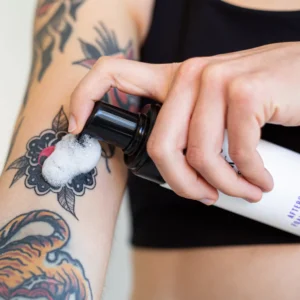
Proper tattoo aftercare is the cornerstone of vibrant, long-lasting artwork. While your body naturally begins the tattoo healing process, providing the right support ensures your skin heals efficiently and your ink stays sharp. Using the right products—such as fragrance-free lotion, antibacterial soap, hypoallergenic skincare, and non-comedogenic moisturizers—helps maintain skin integrity while promoting skin barrier repair. This section will guide you through a complete aftercare routine, step by step, so you can protect your tattoo investment and avoid common healing issues.
Cleaning Your Tattoo Properly
The first step in a successful aftercare routine is keeping your tattoo clean without causing irritation. Using proper hygiene practices is essential to prevent infection during the vulnerable stages of healing. Gently wash the tattoo 2–3 times a day with antibacterial soap that is mild and fragrance-free. Avoid harsh scrubbing; instead, use a soft hand motion to remove debris and plasma. After washing, use the pat dry method, lightly blotting the area with a clean, soft towel or paper towel rather than rubbing. Proper cleaning ensures your tattoo remains free from bacteria while supporting the natural wound healing process, helping the epidermis and dermis layers recover optimally.
Moisturizing Correctly
Once your tattoo is clean, maintaining the right level of hydration is crucial. Over-moisturizing can suffocate the skin and slow healing, while under-moisturizing can cause dryness and cracking. Apply a thin layer of a tattoo healing ointment or non-comedogenic moisturizer designed for sensitive skin. Many Amazon-recommended products combine nourishing ingredients like panthenol, shea butter, or vitamin E to promote skin barrier repair without clogging pores. Some people also use petroleum jelly alternatives to avoid heavy occlusion while still protecting the tattoo. Proper moisturization reduces itching, prevents premature scab removal, and ensures your tattoo heals with smooth, vibrant lines.
Protecting Your Tattoo
Even after your tattoo appears healed, protecting it from environmental stress is essential for long-term color retention. Sun exposure can fade ink and damage the skin, so using SPF protection is a must. Applying a tattoo sunscreen whenever the area is exposed to sunlight shields the skin from harmful UV rays. In addition, avoid prolonged direct sunlight and tanning beds during the early healing stages to prevent irritation and delayed tattoo healing. Regular protection ensures your artwork remains vibrant while supporting ongoing dermis and epidermis stabilization.
By following a consistent aftercare routine—cleaning gently, moisturizing correctly, and protecting your tattoo from external damage—you actively support the tattoo healing process and safeguard your investment. Choosing high-quality, hypoallergenic skincare and tattoo-specific products available on Amazon makes it easier to maintain this routine, providing both convenience and confidence that your tattoo will heal beautifully and last a lifetime.
What NOT to Do During Tattoo Recovery
While knowing what to do during tattoo recovery is important, understanding what not to do can make an even bigger difference in the long-term appearance and health of your tattoo. Neglecting these cautions can lead to tattoo irritation causes, prolonged healing, and even permanent damage. Avoiding harmful habits protects your investment and ensures your tattoo stays vibrant for years. Here’s a detailed guide on what to steer clear of:
- Picking Tattoo Scabs – It may be tempting to remove scabs for instant smoothness, but picking at healing skin disrupts the tissue regeneration process. This can lead to patchy color, uneven lines, or cracked tattoo skin, and significantly increases infection Picking Tattoo Scabs – It may be tempting to remove scabs for instant smoothness, but picking at healing skin disrupts the tissue regeneration process. This can lead to patchy color, uneven lines, or cracked tattoo skin, and significantly increases infection risk. Let scabs fall off naturally while keeping the area lightly moisturized with hypoallergenic skincare.
- Excessive Scratching or Rubbing – The itching stage tattoo is normal, but scratching can tear delicate new skin. This not only slows the tattoo healing process, it also risks excessive scabbing, which can scar and affect ink retention. Using a gentle non-comedogenic moisturizer or a soothing tattoo healing ointment can relieve discomfort safely.
- Overexposure to Water or Moisture – Soaking your tattoo in baths, pools, or hot tubs can soften protective scabs and increase infection risk. Prolonged moisture breaks down the skin barrier, slowing recovery. Stick to quick, gentle showers with antibacterial soap recommended for tattoos.
- Sun Exposure Without Protection – Fresh tattoos are highly sensitive to UV rays. Direct sunlight can cause burns, fade ink, and delay dermis repair. Always use tattoo sunscreen after the initial healing period and avoid tanning beds to maintain color integrity.
- Using Harsh or Fragranced Products – Avoid lotions, soaps, or skincare with alcohol, perfumes, or dyes. These can trigger tattoo irritation causes like redness, inflammation, and dryness, hindering your skin barrier repair and prolonging recovery time. Stick to fragrance-free lotion and gentle products designed for sensitive tattooed skin.
By actively avoiding these common mistakes, you give your tattoo the best chance to heal cleanly, retain vibrant color, and avoid long-term damage. Combining this knowledge with a consistent aftercare routine and high-quality products—many of which are Amazon-recommended—ensures your tattoo recovers safely, looks stunning, and continues to be a source of pride for years to come.
Signs of Healthy Tattoo Healing
Knowing what to expect during the tattoo healing process is essential for anyone who wants vibrant, long-lasting artwork. A tattoo is essentially a controlled injury, and your body’s response is a natural healing response designed to repair the skin while securing the ink in the dermis. Understanding the signs of healthy healing helps you avoid unnecessary worry, prevent complications, and maintain the best possible results.
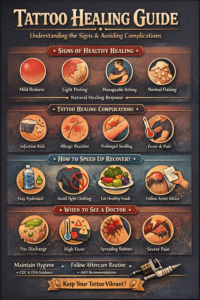
Mild Redness
During the first few days, mild redness around the tattoo is normal and indicates that your immune system is actively protecting the area. This is your body’s way of signaling that blood flow has increased and white blood cells are working to prevent infection. Mild redness is one of the earliest and most visible signs that your skin trauma repair is underway and progressing as it should.
Light Peeling and Normal Flaking
You may notice light peeling or normal flaking of the outer skin during the first week. This occurs as the epidermis regenerates, removing damaged cells and forming a protective layer over the ink. While the appearance may seem patchy or dull temporarily, it is a positive sign of your natural healing response. Allowing this process to occur without interference is critical to ensure even ink retention and prevent delayed tattoo healing.
Manageable Itching
Manageable itching is another common indicator that your tattoo is healing properly. As new skin forms beneath the surface, the area can feel tight or itchy. Instead of scratching, which can disrupt pigment and cause scarring, gently applying a fragrance-free lotion or non-comedogenic moisturizer can soothe discomfort while supporting skin barrier repair. Many Amazon-recommended tattoo aftercare products are designed specifically to relieve itching and keep the skin hydrated, helping your tattoo heal smoothly.
By understanding and recognizing these signs—mild redness, light peeling, normal flaking, and manageable itching—you can confidently track your tattoo’s progress. Supporting your natural healing response with proper aftercare ensures your artwork remains vibrant, sharp, and beautiful for years to come.
Tattoo Healing Complications to Watch For
Even with proper care, tattoos can occasionally develop complications that disrupt the tattoo healing process. Recognizing warning signs early is crucial for preventing long-term damage, maintaining vibrant ink, and safeguarding your skin’s health. Common issues include tattoo infection signs, allergic reactions, or prolonged irritation, and knowing how to respond can make all the difference. Following hygiene guidance supported by the Centers for Disease Control and Prevention (CDC) and skin health recommendations from the American Academy of Dermatology (AAD) ensures you take evidence-based precautions while protecting your tattoo investment.

Tattoo Infection and Bacterial Infection
One of the most serious risks during tattoo recovery is bacterial infection, which can occur when harmful microbes penetrate broken skin. Signs of infection include redness spreading beyond the tattoo, warmth, pain that intensifies rather than improves, pus, or prolonged swelling. According to the CDC, maintaining proper hygiene—washing your hands before touching your tattoo, using clean towels, and avoiding soaking the tattoo in water—dramatically reduces infection risk. If any of these infection signs appear, it’s essential to seek medical advice immediately, as untreated bacterial infections can cause scarring or permanent damage to both the skin and tattoo pigment.
Allergic Reactions and Contact Dermatitis
Some people may experience allergic reactions to certain tattoo inks or aftercare products. Symptoms can include itching, rashes, bumps, or redness that persists beyond normal healing stages. Similarly, contact dermatitis can develop from using harsh soaps, fragranced lotions, or low-quality ointments. Following skin health recommendations from the American Academy of Dermatology—such as using hypoallergenic skincare, fragrance-free lotion, and non-comedogenic moisturizers—can prevent irritation while supporting your tattoo’s natural healing response. For those with sensitive skin or a history of allergies, testing aftercare products on a small area before applying them broadly is a smart precaution.
Prolonged Swelling and Persistent Irritation
While mild swelling and redness are normal in the early stages, prolonged swelling or persistent irritation beyond a few days can indicate a complication. This may be a sign of infection, allergic reaction, or trauma to the tattooed area from friction or improper aftercare. Using gentle tattoo healing ointments and avoiding tight clothing, rough fabrics, or excessive sun exposure helps minimize irritation. Early intervention and proper product selection—especially those available through Amazon with dermatologist-recommended formulations—can reduce the risk of permanent damage.
By understanding potential tattoo healing complications, recognizing early warning signs, and following authoritative hygiene and skincare guidance, you can protect your tattoo and your skin simultaneously. Combining this knowledge with high-quality, Amazon-recommended aftercare products not only supports recovery but also ensures your tattoo remains vibrant, sharp, and healthy for years to come.
How to Speed Up Tattoo Recovery Safely

If you’re wondering how to heal a tattoo faster or looking for the best way to heal a tattoo, it’s important to understand that your body’s natural healing process cannot be rushed—but it can be supported. Proper care, hydration, nutrition, and attention to your tattoo’s environment all play a critical role in promoting hydration and skin recovery while reducing the risk of complications. Following guidance from a professional tattoo artist alongside evidence-based aftercare practices ensures your artwork heals beautifully and remains vibrant for years.
Stay Hydrated
One of the simplest yet most effective ways to support your tattoo’s healing is to stay well-hydrated. Drinking enough water helps maintain skin elasticity, aids in skin barrier repair, and allows your body to efficiently transport nutrients to the tattooed area. Proper hydration also reduces dryness and tightness in the skin, making the natural healing response smoother and more comfortable. Many tattoo enthusiasts complement water intake with gentle, fragrance-free lotions to keep the epidermis moisturized without disrupting the dermis layer where the ink resides.
Avoid Tight Clothing
During the early stages of healing, friction can irritate your tattoo and prolong recovery. Avoid wearing tight clothing or fabrics that rub against the tattooed area, especially in high-movement zones like arms, legs, or joints. Loose, breathable fabrics allow the skin to breathe and prevent tattoo irritation causes such as scabbing, cracking, or delayed pigment settling. Paired with protective aftercare balms, this simple step can dramatically reduce discomfort and prevent prolonged swelling.
Follow Artist Instructions
Every tattoo is unique, and following your professional tattoo artist advice is critical. Artists understand your tattoo’s size, placement, and ink type, and they provide tailored recommendations for cleansing, moisturizing, and protection. Sticking to these instructions—whether it’s using specific antibacterial soaps, non-comedogenic moisturizers, or avoiding sun exposure—supports the wound healing process and ensures your tattoo recovers within the expected tattoo recovery time.
Eat Nutrient-Rich Foods
Nutrition plays a surprisingly important role in tattoo healing. Foods rich in vitamins A, C, E, and zinc support collagen production, tissue regeneration, and your immune system, which are all critical for hydration and skin recovery. Lean proteins, leafy greens, fruits, and nuts provide the building blocks your body needs to repair skin efficiently. Combining a balanced diet with topical aftercare products enhances your natural healing response, reduces the risk of delayed tattoo healing, and helps your tattoo look vibrant faster.
By staying hydrated, wearing comfortable clothing, following your artist’s guidance, and eating nutrient-rich foods, you can actively support your tattoo’s recovery without risking damage or irritation. Pairing these habits with high-quality, Amazon-recommended aftercare products such as gentle cleansers, soothing balms, and fragrance-free lotions ensures that your tattoo heals safely, beautifully, and more efficiently.
When to See a Doctor
Even with the best tattoo aftercare routine, complications can occasionally occur, and knowing when to seek professional medical attention is critical. While mild redness, light peeling, and manageable itching are part of a natural healing response, certain warning signs indicate that your tattoo may be infected or experiencing an adverse reaction. Prompt action can prevent permanent skin damage, fading, or long-term complications.
Pus Discharge
Any sign of pus discharge from your tattoo is a clear indicator that a bacterial infection may be present. Pus can appear yellow, green, or cloudy and is often accompanied by an unpleasant odor. This is not part of normal healing and should not be ignored. Using gentle, antibacterial aftercare products can reduce the risk of infection, but if pus develops, seek medical attention immediately. Early treatment protects both your skin and the ink, ensuring your tattoo remains vibrant.
Fever Symptoms
Sometimes, a severe infection can trigger systemic reactions like fever symptoms, chills, or general malaise. These are signs that your body is struggling to fight off bacteria and should be addressed immediately by a healthcare professional. Never attempt to self-treat high-grade infections with home remedies alone, as doing so can exacerbate tattoo irritation causes and prolonged swelling.
Spreading Redness
While mild redness is normal, spreading redness beyond the tattoo’s borders is a warning sign that the skin may be inflamed or infected. This often occurs when bacteria enter the wound or when the tattoo experiences repeated friction or irritation. Protecting your tattoo during healing with fragrance-free lotions and breathable clothing, as well as following artist instructions, can prevent irritation—but spreading redness requires urgent medical evaluation.
Severe Pain
Persistent or severe pain beyond the expected tenderness of the first few days may indicate complications such as infection, allergic reaction, or contact dermatitis. Pain that worsens rather than improves should never be ignored. Professional evaluation ensures that the problem is identified and treated quickly, preserving both your skin’s health and the integrity of the tattoo.
Ink Safety Awareness
Awareness of ink safety is also an important consideration. The Food and Drug Administration (FDA) provides guidance on tattoo pigments and emphasizes the importance of using approved inks to minimize allergic reactions or toxic exposure. Choosing reputable tattoo artists who follow regulatory standards reduces the risk of adverse reactions and supports a smoother healing journey.
Knowing when to see a doctor protects both your skin and your tattoo investment. By monitoring for pus discharge, fever symptoms, spreading redness, or severe pain, and pairing vigilance with high-quality, Amazon-recommended aftercare products, you can ensure your tattoo heals safely, beautifully, and remains a source of pride for years to come.
FAQs
How long does tattoo recovery take?
Tattoo recovery is not a fixed timeline because every tattoo and every person is different. Generally, the surface skin takes about 2–4 weeks to heal, but deeper layers in the dermis continue regenerating for up to 6 weeks. Factors such as the size of the tattoo, its placement, your skin type, and how well you follow aftercare routines all influence tattoo recovery time. Smaller tattoos often heal faster due to less skin trauma, while large or detailed pieces may require longer healing. Understanding this helps set realistic expectations and encourages consistent use of gentle fragrance-free lotions and other supportive aftercare products to maintain vibrancy.
Is peeling normal during tattoo healing?
Yes, peeling is a completely normal and healthy part of the tattoo healing process. As your skin repairs itself, the outer epidermis sheds old, damaged cells, revealing fresh skin underneath. This can look patchy or flaky and may be accompanied by mild redness or slight tenderness. Proper aftercare, such as applying a thin layer of non-comedogenic moisturizer or tattoo healing ointment, helps the peeling occur gently and prevents scabs from being picked, which could lead to cracked tattoo skin or uneven pigment. Remember, peeling indicates that your body’s natural healing response is actively working.
Can I shower after getting a tattoo?
Showering is allowed during healing, but it should be done carefully to avoid interfering with the tattoo’s recovery. Use gentle washing with an antibacterial soap recommended for tattoo care, and avoid hot water, scrubbing, or soaking the tattoo for long periods. Pat the area dry with a clean towel rather than rubbing, which protects the forming scabs and supports skin barrier repair. Quick, gentle showers help keep your tattoo clean, reduce infection risk, and allow your skin to focus on healing the dermis layer where the ink resides.
Why is my tattoo still itchy after 2 weeks?
Mild itching is a normal part of healing, especially as new skin regenerates underneath scabs and peeling areas. This itchiness is a sign that your skin trauma repair is ongoing and that collagen production is stabilizing the ink in the dermis. However, scratching can be dangerous, potentially causing excessive scabbing, cracked tattoo skin, or pigment loss. Instead, applying a thin layer of fragrance-free lotion or hypoallergenic moisturizer soothes irritation safely. Persistent but manageable itching usually resolves as the tattoo enters the later stages of natural healing response.
Can I exercise during tattoo recovery?
Exercise is possible, but it should be approached cautiously. Activities that cause excessive sweating, friction, or stretching on the tattooed area can delay healing and increase infection risk. Tight clothing, rubbing, or excessive movement may irritate the skin, disrupt scabs, and cause prolonged swelling. If you plan to exercise, wear loose, breathable clothing and clean the tattoo gently afterward. Supporting recovery with non-comedogenic moisturizers and tattoo healing ointments ensures the skin remains hydrated while promoting proper collagen formation and hydration and skin recovery.
When can I use lotion on my tattoo?
You can begin moisturizing once the initial plasma leakage has stopped, usually within 24–48 hours after getting inked. Using a thin layer of fragrance-free lotion or tattoo-specific healing ointment keeps the skin hydrated and reduces discomfort, without suffocating the healing dermis. Proper moisturizing helps prevent tattoo irritation causes, supports skin barrier repair, and aids the natural healing response. Consistency is key—applying lotion as needed ensures the skin peels gently and the tattoo maintains its sharpness and color vibrancy.
Should I cover my tattoo while healing?
Initially, your tattoo artist may recommend covering the tattoo for a few hours to reduce infection risk. Once the initial protection is removed, leaving the tattoo exposed to clean air is generally best. Exposing it allows the skin to breathe while keeping it protected from friction or contaminants. Light, breathable clothing can provide ongoing protection without trapping moisture, supporting a smoother tattoo healing process.
Can my tattoo fade during healing?
Temporary dullness or fading is normal during peeling and scabbing stages, but it usually resolves once new skin forms over the tattoo. Avoid scratching, excessive sun exposure, and prolonged soaking, all of which can compromise pigment retention. Using tattoo sunscreen once the skin has healed and maintaining hydration with fragrance-free lotions helps prevent long-term fading and keeps the ink vibrant.
Is redness around the tattoo normal?
Yes, mild redness is a standard part of the natural healing response, signaling increased blood flow and immune activity. It should gradually decrease over a few days. However, spreading redness, persistent swelling, or extreme tenderness may indicate infection, allergic reaction, or irritation, which requires medical attention. Proper cleaning and moisturization help reduce unnecessary irritation during the initial days.
Can I apply makeup or creams over my tattoo?
It’s best to avoid applying makeup or non-specialized creams over a fresh tattoo, as these can introduce bacteria, clog pores, or irritate healing skin. Stick to products specifically designed for tattoo aftercare, such as hypoallergenic moisturizers and tattoo healing ointments, until the skin is fully healed. Doing so supports the wound healing process and protects the pigment in the dermis.
What should I do if my tattoo scabs excessively?
Excessive scabbing can result from scratching, dry skin, or improper aftercare. Applying a thin layer of non-comedogenic moisturizer or tattoo healing ointment helps regulate scabbing. Avoid picking or pulling scabs, as this can lead to cracked tattoo skin, uneven ink, or scarring. Persistent or unusually thick scabs may require consultation with a medical professional.
Can I sleep on a new tattoo?
Avoid sleeping directly on the tattooed area to reduce friction, irritation, and sweat accumulation. Using clean, soft bedding and positioning your body to minimize pressure on the healing tattoo prevents tattoo irritation causes and supports proper hydration and skin recovery. Proper positioning protects scabs and encourages even healing.
Are small tattoos faster to heal than large ones?
Generally, yes. Small tattoos involve less skin trauma and therefore have a shorter surface healing period. Large tattoos cover more area, creating more extensive skin trauma that can extend recovery time and require meticulous aftercare. Regardless of size, following a consistent aftercare routine ensures that both small and large tattoos heal effectively and retain vibrant ink.
Can alcohol or smoking affect tattoo healing?
Alcohol and smoking can slow down healing by reducing blood flow, weakening the immune response, and impairing collagen production. These factors can increase tattoo recovery time and the risk of complications like excessive scabbing or delayed tattoo healing. Staying hydrated, eating nutrient-rich foods, and avoiding harmful substances supports hydration and skin recovery while protecting pigment retention.
When is it safe to expose my tattoo to sunlight?
Direct sunlight should be avoided during the healing phase to prevent irritation and fading. Once the tattoo is fully healed, applying tattoo sunscreen whenever the area is exposed protects pigment, prevents long-term fading, and maintains healthy skin. Sun protection also supports the dermis and epidermis layers, ensuring your tattoo looks vibrant for years.
What are the warning signs that I should see a doctor?
Seek medical attention if you notice pus discharge, severe pain, spreading redness, fever symptoms, or signs of an allergic reaction. Early intervention prevents bacterial infection, contact dermatitis, or other complications that can permanently affect both skin and ink. Pairing awareness with proper aftercare, including Amazon-recommended gentle cleansers and healing ointments, supports a safe and smooth tattoo recovery.
Conclusion
Tattoo recovery is a natural skin regeneration process that relies on following a consistent and proper aftercare routine. Maintaining good hygiene and avoiding tattoo healing complications through safe tattoo practices ensures your tattoo heals smoothly. By adhering to expert-backed guidance, you protect your skin and keep your artwork vibrant and long-lasting.