
That moment when your artist wipes away the excess ink and you finally see your new tattoo — bold, vibrant, and deeply personal — is unforgettable. The thrill of seeing your vision come to life on your skin is unlike anything else. But what many people don’t realize is that beneath that stunning artwork, your skin has just undergone controlled trauma. Each line, shade, and color represents thousands of tiny punctures that penetrate the dermis, leaving your body to begin a delicate healing process. A fresh tattoo covering isn’t just a simple wrap for protection — it’s a crucial part of this journey, creating a safe, controlled environment that shields your skin from bacteria, friction, and contaminants while supporting epidermis recovery and dermal healing layers. In other words, your aftercare begins the moment the ink is complete, ensuring that your tattoo heals beautifully and retains its vibrancy for years to come.
Table of Contents
ToggleWhat Is a Tattoo Healing Cover?
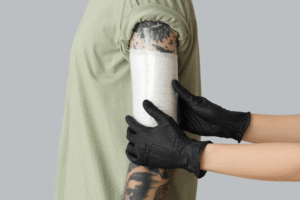
A tattoo healing cover is a specially designed protective wound dressing that is applied immediately after a tattoo session to safeguard your freshly inked skin. Fresh tattoos are essentially open wounds, and the skin goes through a delicate recovery process as the body repairs both the epidermis and the deeper dermal layers where the ink has been deposited. The healing cover, whether it is a breathable tattoo bandage, a medical-grade adhesive film, or a transparent “second skin” wrap, serves as a protective barrier for ink, shielding it from bacteria, friction, and environmental contaminants that could interfere with proper healing. By maintaining optimal moisture levels and preventing excessive plasma leakage, these covers help create the ideal environment for healthy skin regeneration, reducing irritation, minimizing scabbing, and supporting faster epithelial recovery. Additionally, the protective film allows the skin to breathe while maintaining a sterile healing zone, which not only promotes dermal healing layers but also ensures that the tattoo retains its color, sharpness, and vibrancy for the long term. Using a tattoo healing cover as part of a professional aftercare routine is an essential step in ensuring that the skin heals safely, comfortably, and with long-lasting results.
Why Newly Inked Skin Behaves Like an Open Wound
During a tattoo session, needles rapidly puncture the skin thousands of times per minute. These needles deposit pigment into the dermis, the second layer of skin beneath the epidermis. Because the dermis holds ink particles more permanently, this is what makes tattoos long-lasting.However, this process also disrupts the outer layer of skin. The epidermis becomes compromised, triggering your body’s natural immune response. Redness, swelling, slight bleeding, and plasma leakage are all normal signs that your body is beginning the healing process.
In simple terms, a fresh tattoo behaves like an open wound — because medically speaking, it is one. That’s why applying a breathable tattoo bandage or medical adhesive film immediately after the session is essential. It protects against bacteria, dirt, friction, and environmental irritants while your skin starts repairing itself.
What Does a Tattoo Healing Cover Actually Do?
A tattoo healing cover acts as a controlled healing environment for your skin. Instead of leaving the area exposed, the cover:
- Lidocaine – The gold standard in professional tattoo creams, lidocaine works as a powerful local anesthetic thatForms a protective barrier for ink against contaminants
- Prevents excessive scabbing and cracking
- Reduces friction from clothing
- Helps maintain proper moisture balance
- Supports optimal epidermis recovery process targets nerve endings for consistent, long-lasting relief. Many artists and first-time tattoo enthusiasts rely on lidocaine cream for tattoos to make the session almost pain-free.
- Benzocaine – Known for its fast-acting pain relief, benzocaine quickly dulls surface-level discomfort, making it ideal for short sessions or sensitive areas. Searching for benzocaine tattoo pain relief products online will reveal a variety of highly rated options.
- Prilocaine – Often paired with lidocaine, prilocaine provides a mild yet effective anesthetic effect, helping enhance overall comfort while reducing the risk of irritation. Choosing a topical anesthetic for tattooing with this combination ensures both speed and reliability during your session.
Modern options like medical adhesive film (often transparent and flexible) allow oxygen exchange while sealing out harmful pathogens. This makes them far more advanced than traditional plastic wrap methods.
The Importance of Moisture Balance in Skin Regeneration
One of the most important factors in tattoo aftercare is maintaining moisture balance. Too dry, and the skin may crack and form thick scabs that can pull out pigment. Too wet, and you risk softening the skin excessively, increasing infection risk.
A high-quality fresh tattoo covering helps regulate this balance. It locks in beneficial moisture (like natural plasma and healing fluids) while still allowing the skin to breathe. This controlled hydration supports the dermal healing layers and speeds up the epidermis recovery process.
When moisture levels are balanced:
- Skin cells regenerate more efficiently
- Inflammation decreases faster
- Pigment retention improves
- The tattoo heals more smoothly with less irritation
Breathable Tattoo Bandage vs. Traditional Wrapping
Not all coverings are equal. Traditional cling wrap was once commonly used, but modern breathable tattoo bandage options are more skin-friendly and effective. Medical adhesive film is flexible, transparent, waterproof, and designed to stay in place for several days without frequent removal.This continuous protection reduces exposure to airborne bacteria and minimizes repeated irritation from washing and re-wrapping.
Why Proper Protection Matters for Long-Term Vibrancy
Your tattoo’s final appearance depends heavily on how well it heals. The first few days are crucial because this is when your immune system is actively stabilizing the ink within the dermis. A properly applied fresh tattoo covering ensures that external factors don’t interfere with pigment settlement.Think of it this way: the tattoo artist creates the design, but your aftercare routine protects the investment.
By supporting the epidermis recovery process and safeguarding the dermal healing layers, a tattoo healing cover plays a vital role in preserving color saturation, line clarity, and overall skin health.
Why You Need a Tattoo Healing Cover
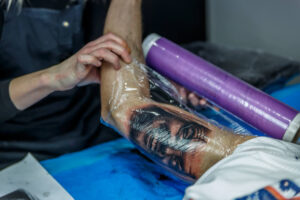
Getting a new tattoo is exciting — but healing it properly is where the real responsibility begins. Your fresh ink isn’t just body art; it’s healing skin that needs protection, balance, and care. This is exactly why a tattoo healing cover plays such an important role in the recovery process.
When tattoo needles deposit pigment into the dermis, your skin immediately reacts with redness, plasma leakage, and mild tattoo inflammation. These are natural signs that your immune system is doing its job. But during this delicate stage, your skin is vulnerable. Without a proper wound protection barrier, outside bacteria and environmental contaminants can interfere with healing — and even compromise your tattoo’s final appearance.
Infection Prevention & Protection From Contamination
The moment your tattoo session ends, your skin enters a vulnerable phase where it behaves like an open wound, making it highly susceptible to bacteria, dust, sweat, and environmental pollutants. This is where a high-quality tattoo healing cover becomes essential. Think of it as a protective shield that quietly does its job while you go about your day. A breathable bandage or medical-grade adhesive film forms a secure wound protection barrier, preventing harmful microbes from reaching your fresh ink. This significantly lowers the risk of infection, irritation, and even long-term pigment loss. When browsing options on Amazon, choosing a premium second skin tattoo wrap with sterile packaging and strong yet skin-safe adhesion can make all the difference. After all, proper tattoo aftercare starts with one simple principle: protect first, heal better.
Controls Plasma Leakage & Tattoo Inflammation
Right after getting tattooed, your body naturally releases plasma and healing fluids as part of its recovery process. While this is completely normal, leaving your tattoo exposed can cause these fluids to dry out, leading to thick scabbing and uneven healing. A tattoo healing cover creates a moisture-lock healing environment that keeps these beneficial fluids in balance. Instead of drying out your skin, it maintains optimal hydration while still allowing oxygen exchange through a breathable adhesive film. This helps reduce tattoo inflammation, calm redness, and control swelling, making the healing process far more comfortable. The result is smoother healing with minimal scabbing, which is crucial for preserving ink quality. It’s not just about comfort—it’s about giving your skin the perfect environment to recover efficiently.
Reduces Friction From Clothing
One of the most underestimated challenges during tattoo healing is something you deal with every day—your clothes. Fabrics constantly rubbing against freshly tattooed skin can increase irritation, trigger inflammation, and even disrupt the delicate healing layer forming over your tattoo. This friction can lead to discomfort and, in some cases, affect how well your tattoo heals. A second skin wrap acts like a protective cushion between your tattoo and your clothing, reducing direct contact and preventing accidental scratching. Whether you’re wearing tight jeans, sleeves, or even sleeping at night, this layer of protection ensures your tattoo remains undisturbed. Less friction means less stress on your skin, allowing it to regenerate naturally and giving you better overall healing results.
Supports Collagen Production & Skin Regeneration
Tattoo healing goes far deeper than what you see on the surface. Beneath the outer layer of skin, your body is actively working to repair tissue and stabilize ink particles within the dermis. This process heavily relies on collagen production, which plays a key role in strengthening and rebuilding your skin. A stable healing environment—clean, hydrated, and protected—encourages efficient collagen synthesis. Moisture-lock healing prevents excessive dryness and cracking, both of which can interfere with proper tissue repair. By using a high-quality tattoo aftercare bandage, you’re not just protecting the surface—you’re supporting the entire skin regeneration process. In simple terms, when your skin heals under the right conditions, it becomes stronger, smoother, and better at holding ink evenly.
Helps Maintain Long-Term Vibrancy
Every tattoo tells a story, but its long-term appearance depends heavily on how well it heals in the first few days. Poor aftercare can lead to fading, patchy areas, or dull-looking ink, which no one wants after investing time and money into body art. A reliable tattoo healing cover plays a crucial role in preserving vibrancy by maintaining a balanced healing environment. By preventing contamination, reducing inflammation, and keeping the skin properly hydrated, it allows the ink to settle correctly within the dermis. This results in sharper lines, richer colors, and a more defined overall look. When you choose a trusted product from Amazon, you’re not just buying a bandage—you’re investing in the long-term quality of your tattoo.
Types of Tattoo Healing Covers
Choosing the right tattoo healing cover can make the difference between a smooth, vibrant recovery and a frustrating healing process. If you’ve just invested in fresh ink, protecting it properly isn’t optional — it’s essential. Let’s break down the most common types of tattoo covers so you can decide which option fits your skin, lifestyle, and healing goals.
Traditional Plastic Wrap
Right after your tattoo session, many artists will apply traditional plastic wrap as short-term protection. This simple, inexpensive layer acts as an immediate barrier against dirt, airborne bacteria, and friction, shielding your freshly inked skin during the first critical hours of healing. Plastic wrap is particularly helpful for controlling early plasma leakage and preventing clothing from rubbing directly on sensitive skin, which could otherwise cause irritation or disrupt pigment.
However, plastic wrap has limitations. Because it isn’t breathable, it traps moisture and heat, which can create an uncomfortable environment for the skin if left on for too long. For this reason, plastic wrap is only suitable for temporary use — typically the first few hours after leaving the studio. If you’re heading home and plan to rest before switching to a more advanced protective option, plastic wrap serves its purpose. But for extended healing and better pigment retention, upgrading to a medical-grade bandage or breathable adhesive film is usually the smarter choice.
Second Skin Bandages
For those looking for a modern, low-maintenance healing experience, second skin bandages are a game-changer. Brands like Saniderm, Tegaderm, and Derm Shield have revolutionized tattoo aftercare by combining breathable adhesive film technology with medical-grade protection. These transparent polyurethane dressings are designed to mimic a second layer of skin. They adhere securely while still allowing oxygen exchange, creating an ideal moisture-lock environment that supports healthy epidermis recovery and protects the dermal healing layers.
Second skin wraps are popular among tattoo enthusiasts and frequently receive high ratings on Amazon for their convenience and effectiveness. They are waterproof, making showering easier without compromising hygiene, and flexible enough to accommodate daily movement. Because the wrap is transparent, you can monitor your tattoo’s healing process without removing it. Additionally, the medical-grade material reduces the risk of infection, minimizes scabbing, and helps maintain pigment vibrancy. Many users love that these wraps can stay on for several days, providing continuous protection without the hassle of constant rewrapping. If your priority is convenience, cleanliness, and better long-term vibrancy, investing in a high-quality breathable adhesive film from a trusted brand is worth every penny.
Absorbent Wound Dressings
For tattoos that release more plasma or for people with sensitive skin, absorbent wound dressings can be a more suitable option. Hydrocolloid bandages, for example, absorb excess fluid while maintaining a moist healing environment. This type of dressing is commonly used in medical wound care because it supports skin regeneration and collagen production, which are crucial for a smooth, vibrant tattoo. Hydrocolloid bandages are particularly useful for areas prone to friction or for tattoos that produce heavier fluid leakage, as the gel-like layer they form reduces irritation and prevents thick scab formation.
Sterile gauze coverings are another traditional choice. They are breathable, absorbent, and budget-friendly, making them widely available for tattoo aftercare. Gauze allows airflow to the epidermis, supporting healthy skin recovery. However, it does not fully seal out moisture or bacteria, meaning it requires frequent changing and careful attention to hygiene. Pairing gauze with regular cleaning and proper moisturization can still result in effective healing, but it demands more hands-on care compared to modern second skin wraps.
Which Tattoo Healing Cover Should You Choose?
The choice of tattoo healing cover ultimately depends on your priorities. If maximum convenience and protection are what you’re after, second skin bandages like Saniderm, Tegaderm, or Derm Shield often rank highest in Amazon reviews. They combine waterproof protection, breathable adhesive film technology, and medical-grade safety for an almost worry-free healing experience.
If you prefer a more traditional or budget-friendly approach, sterile gauze or hydrocolloid bandages can also support effective healing — though they require more frequent attention and careful handling. Regardless of your choice, look for products labeled medical-grade, hypoallergenic, and made from transparent polyurethane material to ensure both safety and comfort. Positive verified purchase reviews are another good indicator of product reliability.
Remember, your tattoo is permanent, but poor aftercare can compromise its appearance. Choosing the right healing cover protects your investment, reduces stress during the recovery process, and helps maintain long-term vibrancy. In the end, a great tattoo deserves great protection.
How Long Should You Keep a Tattoo Covered?
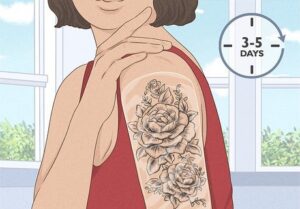
One of the most common questions after getting a tattoo is: how long should you keep it covered? This is an important question because proper timing affects healing quality, infection prevention, and long-term vibrancy. Your tattoo is essentially a controlled skin wound, and the way you manage it during the first few days determines whether your ink heals bold and smooth or becomes irritated and patchy.
For traditional plastic wrap, most artists recommend leaving it on only for the first few hours after your session to control plasma leakage and protect against early contamination. For second skin bandages, many users keep the wrap on continuously for 3–5 days, depending on the size and location of the tattoo. During this time, you can shower carefully without removing the wrap, which helps maintain a sterile healing environment while supporting epidermis recovery.
It’s also important to recognize when it’s safe to remove or replace the cover. Signs like reduced plasma leakage, light peeling, and minimal swelling indicate that the tattoo is ready for the next stage of aftercare. By following recommended timelines for removal and reapplication, you ensure a clean, controlled healing process that maximizes pigment retention and protects the tattoo’s long-term vibrancy.
First 24 Hours: The Critical Protection Phase
The first day is all about wound stabilization.Right after your session, your artist applies a protective covering — often plastic wrap or a breathable adhesive film. This barrier protects against bacteria, friction, and contamination while your body begins repairing the dermal layers.
General First-Day Guidelines:
-
Keep the initial wrap on for 2–4 hours (unless your artist says otherwise).
-
Wash gently with lukewarm water and fragrance-free soap.
-
Pat dry — never rub.
-
Apply a thin layer of recommended aftercare ointment.
If you’re using traditional wrap (like plastic film or gauze), you may need to rewrap your tattoo at night during the first evening. This prevents friction from bedsheets and reduces irritation while your skin is still leaking plasma.
However, constant rewrapping can trap too much moisture if done incorrectly. That’s why many people now switch to a medical-grade second skin bandage for easier healing.
The 3–5 Day Second Skin Method (Low-Maintenance Healing)
If you’re using a breathable adhesive film (often called “second skin”), the healing process becomes much simpler.
With high-quality waterproof tattoo wrap products available on Amazon, many users keep their tattoo covered for 3 to 5 days continuously.
Why This Method Works:
-
Creates a moisture-lock healing environment
-
Seals out bacteria and contamination
-
Reduces scabbing and tattoo inflammation
-
Minimizes the need for constant washing and rewrapping
One of the biggest benefits? You can usually shower with tattoo wrap if it’s a waterproof, medical-grade bandage. Just avoid soaking in baths, swimming pools, or hot tubs.
This method is extremely popular because it reduces friction, protects pigment retention, and supports smoother collagen regeneration.
For busy lifestyles, it’s one of the most convenient healing options — which is why breathable adhesive tattoo films consistently rank high among Amazon aftercare bestsellers.
When to Remove Tattoo Wrap
So, when to remove tattoo wrap?
Whether you’re using traditional wrap or second skin, timing depends on healing signs.
Remove the Cover If You Notice
You should remove the tattoo cover if you notice any signs of excessive fluid buildup that causes the film to lift, edges peeling off significantly, or a strong odor or unusual discharge. For those using the 3–5 day second skin method, the wrap is typically removed once plasma accumulation decreases and the tattoo begins the natural peeling stage.
When it’s time to take off a second skin bandage, it’s important to do so carefully. The best approach is to remove it slowly, preferably in the shower where warm water can help loosen the adhesive. Pull the film downward rather than outward, and avoid ripping it off quickly. This gentle removal protects the delicate epidermis recovery layer, prevents unnecessary trauma to the healing skin, and helps maintain the tattoo’s color and clarity.
The Tattoo Peeling Stage: What Happens Next?
Around days 4–7 after your session, most tattoos enter the natural peeling stage. During this time, the outer layer of the epidermis begins to shed, resulting in light flaking and mild itching. It’s also common for the colors to appear temporarily dull as the new skin regenerates over the ink — but this is completely normal and nothing to worry about.
At this stage, your tattoo no longer requires full wrapping. The focus should shift to gentle cleansing, applying a thin layer of lightweight, fragrance-free moisturizer, and avoiding scratching or picking at the peeling skin. Over-moisturizing can slow the process, so maintaining a careful balance is key. By treating your tattoo gently during this critical phase, you allow the skin to heal naturally while protecting pigment retention and overall vibrancy.
Why Choosing the Right Cover Matters
Your tattoo is permanent, but the window for proper healing is temporary and crucial. Using a trusted, medical-grade waterproof tattoo wrap provides more than just a protective layer — it helps prevent infection, reduces inflammation, and supports long-term vibrancy of your ink. Modern breathable adhesive films and second skin bandages available on Amazon are designed for safe, low-maintenance healing, allowing you to shower, move comfortably, and monitor your tattoo as it recovers. Choosing hypoallergenic options and reading verified reviews can make a noticeable difference in comfort and results. At the end of the day, a tattoo is more than just a piece of art — it’s an investment in your skin. The right cover, applied for the correct amount of time, ensures your tattoo heals beautifully and retains its color and clarity for years to come.
Benefits of Using a Second Skin Tattoo Wrap
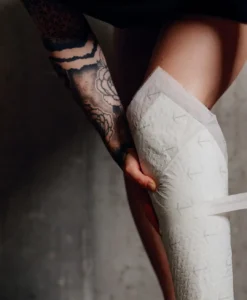
The first few days after getting a tattoo can either feel stressful… or surprisingly easy.
The difference often comes down to one thing: protection.
A second skin tattoo wrap is designed to act like a transparent shield over your fresh ink, creating an optimized healing environment that supports faster epithelial regeneration while minimizing common healing problems like thick scabbing, irritation, and contamination.
If you’re serious about protecting your investment, here’s why so many tattoo enthusiasts are switching to this modern aftercare solution — and why it’s one of the most recommended products on Amazon.
Lower Infection Risk with an Antibacterial Barrier
Fresh tattoos are technically open wounds. That means they’re vulnerable to bacteria from clothing, sweat, dust, and even accidental touching.
A high-quality second skin wrap forms an antibacterial barrier that seals the tattoo safely beneath a medical-grade adhesive film. This protective layer blocks outside contaminants while still allowing oxygen exchange — something traditional plastic wrap simply can’t do effectively.
By reducing exposure to harmful microbes, you significantly lower infection risk and help your immune system focus on healing instead of fighting off irritants.
For Amazon shoppers, this peace of mind is one of the biggest selling points — especially if your tattoo is in a high-friction or exposed area.
Faster Epithelial Regeneration
Your body immediately begins repairing the epidermis after your session. This stage, known as epithelial regeneration, is crucial for smooth surface healing.Second skin wraps promote faster epithelial regeneration by maintaining moisture balance. Instead of letting the tattoo dry out and crack, the wrap locks in beneficial healing fluids like plasma while preventing excessive dryness.
The result?
-
Healthier skin cell turnover
-
More comfortable healing
-
Shorter overall recovery time
Many users report noticeably smoother healing compared to traditional rewrapping methods — which is why breathable adhesive films often rank high in tattoo aftercare reviews on Amazon.
Reduced Scabbing and Less Irritation
Thick scabs are one of the biggest enemies of clean tattoo healing. When a tattoo dries out too much, heavy scabbing can form — and when those scabs fall off, they can pull pigment with them.Second skin wraps reduce scabbing by creating a moisture-controlled healing zone. This helps prevent cracking, flaking, and unnecessary trauma to the dermal layers where your ink is settling.
Less scabbing means:
-
Less itching
-
Less irritation
-
Less temptation to scratch
-
Better ink retention quality
For anyone who has experienced the discomfort of traditional healing methods, this upgrade feels like a relief.
Better Pigment Preservation & Ink Retention Quality
A tattoo’s final appearance depends heavily on how well the ink stabilizes in the dermis during healing.
When inflammation is controlled and scabbing is minimized, pigment preservation improves significantly. Second skin wraps support ink retention quality by:
-
Reducing friction from clothing
-
Preventing accidental scratches
-
Stabilizing the healing environment
-
Minimizing excess moisture loss
This is especially important for fine lines, color saturation, and detailed designs. A cleaner healing process often translates into sharper results.
A Cleaner, Low-Maintenance Healing Process
One of the most underrated benefits? Convenience.With traditional methods, you may need to wash and rewrap multiple times a day. With a waterproof second skin wrap, many people can leave it on for several days continuously.You can shower (avoiding soaking), move freely, and go about daily activities without constant worry.
That cleaner healing process means:
-
Fewer dressing changes
-
Less exposure to airborne bacteria
-
Less handling of the tattoo
-
More consistent protection
For busy professionals, students, or travelers, this simplicity alone makes second skin wraps a worthwhile Amazon purchase.
Why It’s Worth the Investment
A tattoo lasts forever — but healing only happens once.Using a second skin tattoo wrap isn’t just about comfort. It’s about creating an optimized healing environment that supports faster epithelial regeneration, reduced scabbing, lower infection risk, and superior ink retention quality.
When browsing Amazon, look for:
-
Medical-grade adhesive film
-
Hypoallergenic materials
-
Waterproof durability
-
Strong customer reviews
-
Transparent design for monitoring healing
The right product doesn’t just protect your tattoo — it protects the time, money, and meaning behind it.Because great ink deserves a clean, smooth, stress-free healing journey.
Risks & Precautions

Getting a tattoo is an exciting experience, but the healing phase is where your artwork truly takes shape in terms of vibrancy and longevity. Many people turn to second skin tattoo wraps because they create a clean, sealed environment that supports faster skin recovery and acts as a protective barrier against bacteria. However, it’s important to remember that a fresh tattoo is healing skin, not just ink, and it needs careful attention. Even the best tattoo aftercare bandage can cause issues if used incorrectly, so understanding potential risks helps you heal smarter and preserve both your skin health and ink quality.
Allergic Reaction to Adhesive
Most second skin wraps are made with medical-grade adhesive designed to be gentle on the skin, but sensitivity can still occur, especially for those with reactive or delicate skin types. The key sign of an adhesive reaction is irritation that spreads beyond the tattoo area rather than staying confined to the ink. You might notice redness, itchiness, small raised bumps, or a burning sensation around the edges of the wrap. This doesn’t necessarily mean your tattoo is infected; it’s often just your skin reacting to the adhesive layer. When shopping on Amazon, it’s important to look for terms like hypoallergenic, dermatologically tested, and sensitive-skin-friendly tattoo wrap. Reading verified customer reviews can also give insight into how the product performs for people with similar skin concerns, helping you make a safer and more informed choice.
Trapped Moisture Irritation & Overhydration of Skin
Second skin wraps work by creating a moist healing environment, which is beneficial for skin regeneration and protecting fresh ink. However, when too much fluid becomes trapped under the breathable adhesive film, it can lead to irritation or overhydration of the skin. This happens when plasma builds up excessively, making the skin appear overly soft, pale, or wrinkled. In some cases, you may notice a milky fluid or a slight odor developing under the wrap, along with increased discomfort. A high-quality tattoo healing bandage is designed to balance moisture while still allowing oxygen exchange, but if fluid accumulation becomes excessive, it’s best to remove the wrap carefully, clean the tattoo with a gentle, fragrance-free cleanser, and allow the skin to breathe. Maintaining this balance is essential for proper healing and long-term ink retention.
Improper Removal Can Damage Your Tattoo
One of the most overlooked risks of using second skin wraps is improper removal, which can significantly impact the healing process. A fresh tattoo has delicate, regenerating skin, and pulling off the wrap too quickly can tear the surface layer, disrupt healing, and even affect pigment retention. Many people make the mistake of ripping it off like a bandage, which can pull at forming scabs and slow down recovery. The safest way to remove the wrap is during a warm shower, where the adhesive loosens naturally. Gently peel the film downward instead of outward, stretching it slowly while supporting your skin with your other hand. Taking a little extra time during removal protects your tattoo and ensures the colors remain bold and intact.
How to Recognize an Infected Tattoo Early
Second skin wraps help reduce infection risk by forming a protective barrier, but proper hygiene is still essential. Health authorities like the World Health Organization and the American Academy of Dermatology emphasize that clean wound care practices are crucial for preventing complications. Normal healing typically includes mild redness, light peeling, and slight itching, but infection shows very different signs. If redness worsens after a few days, or if you notice yellow or green discharge, increasing pain, fever, chills, or spreading warmth around the tattoo, these could indicate an infection. In such cases, it’s important to remove the wrap gently and seek medical advice promptly to prevent further complications and protect both your skin and your tattoo.
Hygiene Best Practices for Safe Tattoo Healing
A tattoo is essentially a controlled skin injury, so maintaining proper hygiene plays a major role in how well it heals. Simple habits can significantly reduce the risk of irritation, infection, and fading. Always wash your hands before touching your tattoo, use a gentle fragrance-free cleanser, avoid using dirty towels, and never reuse an adhesive film. Keeping your environment clean also supports faster recovery. When purchasing a second skin wrap, prioritize products that offer sterile packaging, medical-grade materials, and breathable protection. While cheaper options may seem appealing, investing in a high-quality tattoo aftercare wrap can make a noticeable difference in comfort, healing speed, and long-term ink vibrancy.
Step-by-Step Tattoo Aftercare Routine
That moment when you leave the studio and first glimpse your fresh tattoo is unforgettable — it feels personal, powerful, and permanent. But the truth most people don’t emphasize enough is that the real work begins once you leave the chair. Proper tattoo aftercare is essential for healthy skin recovery, maintaining pigment quality, and ensuring your ink remains vibrant for years to come.
Following a structured, step-by-step routine helps you protect your investment while keeping the healing process clean, stress-free, and comfortable. This includes careful removal of the initial bandage, gentle cleansing of the freshly inked skin, applying a lightweight, fragrance-free moisturizer, and avoiding direct sun exposure or friction. By practicing safe, consistent tattoo care, you support the epidermis recovery process, protect the dermal healing layers, and create an optimized environment for long-term tattoo success.
Step 1: Removing Tattoo Bandage Safely
Whether your artist applied traditional plastic wrap or a modern second skin film, the first step in aftercare is removing the bandage safely. For medical adhesive films, the best approach is to do this in the shower with lukewarm water, which gently loosens the adhesive without traumatizing the delicate skin beneath. Peel the film slowly downward rather than outward, stretching it carefully instead of ripping it off, and support the skin with your free hand to minimize stress on the healing epidermis. Rushing this step can lead to irritation, improper removal, or even damage to the fragile skin, potentially affecting pigment retention and prolonging recovery. If the bandage feels stuck, simply allow the warm water to soften it, ensuring your fresh ink remains protected while the healing process begins safely.
Step 2: Washing Newly Inked Skin Properly
Once the bandage is removed, your tattoo requires its first gentle cleanse. Washing newly inked skin is essential for removing excess plasma, leftover ink, and bacteria that could interfere with proper healing. Always start by washing your hands thoroughly, then use lukewarm water and a mild, fragrance-free cleanser. Clean the tattoo gently with your fingertips — never use a washcloth or scrub, as this can damage the delicate tissue. Pat the area dry with a clean paper towel instead of rubbing. Avoid harsh soaps, alcohol-based products, or anything abrasive, as your tattoo is essentially healing skin, not regular body skin. Amazon offers several dermatologist-recommended cleansers labeled safe for sensitive or wounded skin; look for sulfate-free, fragrance-free, and hypoallergenic options. Maintaining clean skin ensures a healthier, safer healing environment and reduces the risk of infection or irritation.
Step 3: Apply a Fragrance-Free Moisturizer
After washing and drying, apply a thin layer of fragrance-free moisturizer to support the healing process. Proper moisturization prevents excessive dryness, reduces itching, supports collagen production, and helps maintain the integrity of your tattoo’s pigment. Choose a lightweight, non-comedogenic formula — heavy petroleum-based ointments can suffocate the skin, slow recovery, and increase the risk of overhydration. Apply just enough to lightly hydrate the area; the skin should appear nourished, not greasy or shiny. When shopping on Amazon, look for products labeled fragrance-free, hypoallergenic, dermatologist-tested, and reviewed positively for tattoo aftercare. Balanced hydration is critical for protecting fresh ink while promoting healthy skin regeneration.
Step 4: Avoiding Sun Exposure
Protecting your tattoo from UV rays is one of the most important, yet often overlooked, aspects of aftercare. Fresh tattoos are particularly vulnerable, and sun exposure during the first few weeks can fade pigment, increase inflammation, slow epithelial regeneration, and lead to uneven healing. Keep your tattoo covered with loose, breathable clothing whenever you are outdoors. Once fully healed — usually after three to four weeks — apply a broad-spectrum SPF 30+ sunscreen specifically formulated for tattoos to maintain long-term vibrancy. Many Amazon-recommended tattoo sunscreens provide reliable protection without irritating the skin, ensuring your artwork remains bold, sharp, and evenly healed for years to come. Sun protection is an essential part of safe tattoo practices and helps preserve the quality of your investment.
Step 5: Practice Sterile Wound Management
A tattoo is essentially a controlled skin wound, and treating it with sterile care is vital to prevent infection and support optimal healing. Always wash your hands before touching the tattoo, use clean towels or disposable paper towels, and avoid swimming pools, hot tubs, or other potentially contaminated water sources during the first few weeks. Resist the urge to pick or scratch at the tattoo, particularly during the peeling stage, as this can disrupt pigment and slow recovery. Wear loose clothing to reduce friction and irritation, and if you are using a second skin wrap, ensure it is medical-grade and sterile straight from the sealed packaging. Following these sterile wound management practices protects fresh ink, supports the dermal healing layers, and allows your tattoo to heal beautifully with minimal complications.
Signs Your Tattoo Is Healing Properly
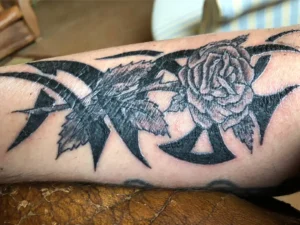
A few days after getting a tattoo, it’s common to feel a little anxious. The tattoo may look slightly dull, feel itchy, or even start peeling. You might find yourself wondering, “Is this normal?” The good news is that in most cases, these are perfectly natural signs of healthy skin recovery. Understanding what proper healing looks like — and knowing when to take action — can give you confidence and peace of mind.
Mild Redness (First Few Days)
Mild redness around your tattoo in the first few days is completely normal. Tattooing involves thousands of tiny needle punctures depositing pigment into the dermis, which triggers a natural immune response. This inflammation is part of the body’s healing process. Healthy redness stays close to the tattoo, gradually fades within 2–4 days, and does not spread outward dramatically. Following safe tattoo practices like using a breathable second skin wrap, practicing sterile wound management, and applying a gentle fragrance-free moisturizer helps support balanced healing while protecting the fresh ink.
Minimal Swelling
Slight swelling is another natural response, especially during the first 24–48 hours. This occurs as your body increases blood flow to repair tissue and support collagen production. Normal swelling feels tender but manageable, decreases after a couple of days, and does not worsen over time. Elevating the tattooed area when possible and avoiding tight or restrictive clothing can reduce irritation and promote faster recovery.
Light Peeling (The Flaky Phase)
Around days 4–7, your tattoo may enter the light peeling stage, which can sometimes cause unnecessary panic. During this phase, the outer layer of the epidermis sheds dead skin cells, similar to mild sunburn. The tattoo may appear slightly cloudy or dull, but this is temporary. Healthy peeling involves thin flakes rather than thick scabs, does not remove visible chunks of ink, and usually stops within 3–7 days. Avoid picking or scratching the area; let the skin shed naturally to maintain pigment quality. A lightweight, fragrance-free moisturizer from Amazon can help manage dryness without overhydrating the skin.
The Itching Stage
Itching is a normal part of the healing process. As nerves regenerate and the epidermis repairs itself, mild itching signals that your tattoo is healing properly. Healthy itching occurs during the peeling stage, is generally tolerable, and improves with light moisturization. Excessive scratching can damage fresh ink, so keeping nails short and the skin hydrated is important. Many tattoo aftercare products designed for sensitive skin receive high ratings on Amazon for reducing irritation during this phase.
Why Proper Aftercare Makes the Difference
Most tattoo complications result from poor aftercare rather than the tattoo itself. Following safe tattoo practices — including gently washing newly inked skin, using sterile medical-grade bandages, applying fragrance-free moisturizer, avoiding sun exposure, and practicing clean wound management — dramatically lowers the risk of infection. Investing in high-quality tattoo aftercare products on Amazon, from breathable adhesive wraps to dermatologist-tested moisturizers, supports a cleaner healing process, faster skin recovery, and better long-term ink retention. Proper care ensures that your tattoo not only heals safely but also stays vibrant and sharp for years to come.
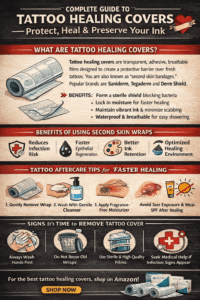
FAQs
Do tattoo healing covers speed up healing?
Yes. Tattoo healing covers, especially breathable second skin wraps, create an optimized healing environment by locking in natural plasma while allowing oxygen exchange. This helps reduce scabbing, control inflammation, and support faster epithelial regeneration. While they don’t magically make the skin heal overnight, they significantly improve the quality and speed of recovery compared to leaving the tattoo exposed.
Is second skin better than plastic wrap?
In most cases, yes. Traditional plastic wrap offers only short-term protection and can trap excessive moisture or sweat, leading to irritation. Second skin wraps, like Saniderm, Tegaderm, or Derm Shield, are medical-grade, waterproof, and breathable. They form an antibacterial barrier, reduce friction, and allow you to shower while protecting fresh ink, making them far more convenient and effective for long-term healing.
Can tattoo wrap cause infection?
When used properly, tattoo wraps actually reduce infection risk by forming a sterile, protective barrier over fresh ink. However, improper use — such as leaving a wrap on too long without cleaning, using non-sterile materials, or failing to follow hygiene practices — can create trapped moisture or bacterial growth, increasing infection risk. Always use medical-grade wraps and follow recommended aftercare.
What happens if I remove the bandage too early?
Removing a bandage too early exposes your fresh tattoo to bacteria, friction, and environmental contaminants. It can also cause the ink to migrate or disturb the healing epidermis, leading to thicker scabs, delayed recovery, and potential pigment loss. If you must remove it early, gently wash the area, apply a thin layer of fragrance-free moisturizer, and protect it until it’s ready for normal exposure.
Is breathable film safe for sensitive skin?
Most medical-grade breathable films are hypoallergenic and designed to be safe for sensitive skin. However, some individuals may experience an allergic reaction to adhesives. It’s always a good idea to do a small patch test before covering your entire tattoo. Choosing well-reviewed brands like Saniderm, Tegaderm, or Derm Shield on Amazon ensures higher-quality materials and reduces the risk of irritation.
How long should I keep my tattoo covered?
For first-time healers, short-term plastic wrap is usually left on for 2–4 hours, then removed for cleaning. For second skin wraps, many users keep the bandage on continuously for 3–5 days. After this period, signs like reduced plasma leakage and light peeling indicate it’s safe to remove the wrap and switch to gentle moisturizing.
Can I shower with a tattoo wrap on?
Yes, if you’re using a waterproof, medical-grade second skin wrap. You can take quick showers without removing the film. Avoid soaking the tattoo in baths, pools, or hot tubs, as prolonged water exposure can compromise healing.
Will using a tattoo wrap prevent scabbing?
Second skin wraps minimize scabbing but don’t completely prevent it. By maintaining a balanced moisture environment and reducing friction, the wrap helps your tattoo heal with lighter, thinner flakes instead of thick, pigment-pulling scabs, supporting better long-term ink retention.
What should I do if my tattoo itches?
Itching is a normal part of the healing process. Resist the urge to scratch, as this can damage the epidermis and pull out ink. Instead, lightly pat the area and apply a thin layer of fragrance-free moisturizer to soothe irritation.
Can second skin wraps be reused?
No. Once a second skin bandage has been removed, it cannot be reapplied safely. Reusing it can introduce bacteria, reduce adhesive effectiveness, and compromise a sterile healing environment. Always use a fresh, sterile wrap for maximum protection.
How do I know if my tattoo is infected?
Signs of infection include excessive pus (green or foul-smelling), spreading redness beyond the tattoo, severe pain, or fever. Mild redness, slight swelling, light peeling, and temporary itching are normal. At the first sign of infection, remove any wrap and consult a medical professional immediately.
Can I use ointments under a second skin wrap?
Generally, a thin layer of tattoo-specific ointment can be applied under a second skin wrap immediately after washing. However, avoid thick or greasy ointments, as they can trap too much moisture and interfere with adhesion. Many Amazon-rated wraps are designed to be applied directly to freshly cleaned skin without extra ointment for optimal healing.
Does using a tattoo wrap improve pigment retention?
Yes. By reducing friction, scabbing, and contamination, second skin wraps help stabilize ink in the dermis during the critical first days. This leads to clearer lines, better color saturation, and more vibrant tattoos once fully healed.
Conclusion
Tattoo healing covers are essential for protecting your investment and ensuring your fresh ink heals safely. They create a controlled healing environment that supports dermal recovery and minimizes scabbing or irritation. Using medical-grade, breathable wraps helps in preserving vibrant ink and maintaining the tattoo’s clarity. Always follow professional aftercare advice from your tattoo artist or dermatologist to avoid complications. Consistent care during the healing phase ensures long-lasting tattoo results you’ll enjoy for years.