
Tattoo pain is an experience every tattoo enthusiast understands—especially during line work and deep shading, where the needle repeatedly penetrates sensitive layers of skin. While some people embrace the discomfort as part of the process, longer sessions, intricate designs, and sensitive areas can quickly turn pain into a distraction rather than a badge of honor. This is exactly where a high-quality tattoo numbing cream becomes a practical solution rather than a shortcut.
In recent years, tattoo numbing creams with lidocaine have become increasingly popular among both clients and professional tattoo artists. The goal is not to eliminate sensation entirely, but to reduce pain, calm nerve responses, and help the skin stay relaxed throughout the tattoo session. Less movement, less stress, and better endurance often translate into cleaner line work, smoother shading, and a more comfortable overall experience.
Zensa Numbing Cream stands out in this space as a maximum-strength, lidocaine-based topical anesthetic specifically designed for tattooing and cosmetic procedures. Its fast-absorbing, non-greasy formula works by temporarily blocking pain receptors at the skin’s surface, helping to minimize discomfort without interfering with stencil placement or ink saturation. This makes Zensa a preferred choice in many professional tattoo studios, especially for long sessions or clients with sensitive skin.
This guide is written for tattoo clients who want a more comfortable session and tattoo artists looking for a reliable, professional-grade numbing cream. Whether you’re preparing for your first tattoo or managing pain during extended shading work, this review breaks down how Zensa works, its key features, real benefits, and whether it’s worth using for your next tattoo.
🌟 Top Guide: Best Creams For Pain Free Tattoo Sessions
What is Zensa Numbing Cream?
Overview of Zensa as a Topical Anesthetic
Zensa Numbing Cream is a maximum-strength topical anesthetic formulated to reduce skin discomfort during procedures that involve repeated needle contact—most notably tattooing. Powered by 5% lidocaine, it works at the surface level of the skin to temporarily block pain receptors, helping dull sharp sensations without completely numbing muscle control or skin responsiveness. Unlike generic pain-relief creams, Zensa is purpose-built for precision work, where comfort, control, and skin stability matter just as much as pain reduction.
For many users, the first noticeable difference is how quickly Zensa absorbs. The cream penetrates efficiently, begins numbing within minutes, and avoids the heavy, oily residue that can interfere with tattoo prep. This makes it a dependable option for both first-time tattoo clients and seasoned collectors sitting through long outlining and shading sessions.

Positioning as a Professional Tattoo Numbing Cream
Zensa is not marketed as a casual, everyday pain cream—it is positioned as a professional-grade tattoo numbing solution. Tattoo artists often recommend products that balance comfort with performance, and Zensa meets that requirement by offering consistent numbing without compromising ink quality or stencil placement. Its water-based formula allows artists to work confidently, knowing the skin will respond predictably under the needle.
From an Amazon buyer’s perspective, this professional positioning adds trust. When a numbing cream is widely used in tattoo studios and cosmetic clinics, it signals reliability, safety, and tested performance—three things buyers look for before applying any product to broken skin.

Why Zensa Is Popular Among Tattoo Studios
One of the main reasons Zensa is favored in professional tattoo environments is its clean, non-greasy finish. Artists rely on precise stencil transfer, smooth needle movement, and consistent ink absorption—conditions that oily or overly thick creams can disrupt. Zensa supports the tattooing process rather than working against it.
Studios also appreciate that Zensa provides predictable numbing duration, which is especially valuable during long sessions or detailed shading work. Clients tend to remain calmer and more relaxed, reducing involuntary movement and allowing artists to focus on accuracy and detail. This combination of client comfort and artist control is what makes Zensa a repeat choice in professional settings.
Key Product Highlights: Maximum Strength, Non-Greasy Performance
At the core of Zensa’s effectiveness is its maximum-strength 5% lidocaine formula, one of the highest concentrations available in over-the-counter numbing creams. This strength is ideal for tattoo pain relief without crossing into prescription-only territory, making it easily accessible for home use before appointments.
Equally important is what Zensa leaves out. The formula is non-oily, fast-absorbing, and gentle on sensitive skin, which helps prevent clogged pores, excessive redness, or slippery surfaces during tattooing. The cream spreads smoothly, absorbs evenly, and supports a more comfortable, controlled tattoo experience—exactly what most buyers are looking for when choosing a tattoo numbing cream on Amazon.
How Zensa Numbing Cream Works on the Skin
The Role of 5% Lidocaine in Zensa Numbing Cream
At the heart of Zensa’s performance is 5% lidocaine, a clinically recognized topical anesthetic widely used in medical and cosmetic procedures. This maximum-strength concentration is designed to reduce surface-level pain without fully numbing the skin’s natural movement, which is critical during tattooing. For tattoo clients, this means less sharp discomfort during outlining and shading, while still allowing the artist to work on responsive, stable skin.
From an Amazon buyer’s perspective, the 5% lidocaine formula is a major selling point. It offers professional-grade pain relief without requiring a prescription, making it accessible, practical, and safe when used as directed. This balance of strength and control is why Zensa is often recommended for longer tattoo sessions and sensitive areas.
How Lidocaine Blocks Pain Receptors
When Zensa is applied to the skin, lidocaine begins working by temporarily blocking sodium channels in nerve endings. In simple terms, this interrupts the pain signals that would normally travel from the skin to the brain. Instead of feeling sharp, intense needle sensations, users experience a muted, dull pressure—enough awareness to stay comfortable, but without the overwhelming sting.
This mechanism is especially helpful during the most uncomfortable phases of tattooing, such as initial line work and deep shading, when repeated needle penetration can quickly fatigue the skin. By reducing nerve sensitivity, Zensa helps clients remain relaxed and focused, which often leads to a smoother, more controlled tattoo session.
Skin Absorption and Nerve Signal Interruption
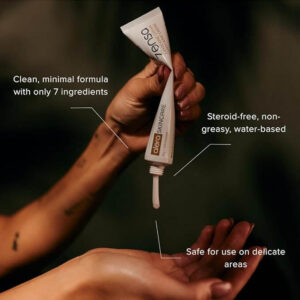
One reason Zensa stands out among tattoo numbing creams is how efficiently it absorbs into the skin. Its water-based, non-greasy formula allows the lidocaine to penetrate the epidermis evenly, ensuring consistent numbing across the tattoo area. This uniform absorption helps prevent patchy sensation—an issue commonly reported with lower-quality numbing creams.
As the lidocaine spreads through the upper skin layers, it creates a temporary barrier that interrupts nerve signal transmission. The result is sustained pain reduction that lasts through much of the tattoo process, especially when the cream is applied correctly and allowed to activate before the session begins. For buyers comparing products on Amazon, this reliability is a key reason Zensa earns repeat purchases and positive reviews.
What Happens During Tattoo Needle Penetration
During tattooing, the needle repeatedly penetrates the epidermis to deposit ink into the dermis. Without numbing support, this action stimulates pain receptors with every pass. With Zensa applied, the skin remains calmer, less reactive, and more tolerant of repeated needle contact. Many users describe the sensation as pressure rather than pain, allowing them to sit longer without discomfort.
For tattoo artists, this controlled skin response can improve precision, line consistency, and shading flow. For clients, it means a more manageable experience—especially during longer sessions or detailed designs. This dual benefit is exactly why Zensa Numbing Cream is often viewed as an investment in both comfort and tattoo quality, not just a pain relief product.
If you’re preparing for a tattoo and want to reduce discomfort without compromising results, understanding how Zensa works on the skin makes it clear why it’s one of the most trusted tattoo numbing creams available online.
Key Ingredients and Formula Breakdown
Lidocaine as the Active Ingredient
The star of Zensa Numbing Cream is undoubtedly lidocaine 5%, a clinically proven topical anesthetic that’s widely trusted in both medical and cosmetic procedures. Lidocaine works by temporarily blocking nerve signals at the site of application, reducing the sharp, uncomfortable sensations caused by tattoo needles. For anyone sitting through a long tattoo session, this means less flinching, more relaxation, and a smoother experience from start to finish.
Unlike weaker creams that require multiple applications or fail to numb sensitive areas, Zensa’s 5% lidocaine formula is maximum strength for over-the-counter use, giving tattoo enthusiasts and professionals a reliable level of pain relief without needing a prescription. On Amazon, this makes Zensa an attractive option for buyers looking for effective, professional-grade numbing cream that delivers real results.
Supportive Ingredients for Comfort and Skin Safety
While lidocaine is the primary active component, Zensa’s formula also includes gentle, skin-friendly ingredients designed to enhance absorption, comfort, and usability:
- Water-based carrier: Ensures fast and even absorption into the skin, helping the lidocaine reach nerve endings efficiently.
- Non-oily texture: Prevents greasy residue that could interfere with stencil transfer or needle precision during tattooing.
- Hypoallergenic agents: Reduce the risk of irritation, making Zensa suitable for sensitive skin and delicate areas.
- Stabilizers and moisturizers: Keep the skin hydrated and prevent dryness during extended tattoo sessions, improving both comfort and healing.
Together, these ingredients create a well-rounded formula that balances potency, usability, and skin safety—exactly what buyers look for in a tattoo numbing cream on Amazon.
Why Zensa’s Formula Matters for Tattoo Sessions
Every ingredient in Zensa is carefully chosen to support both client comfort and tattoo artist control. The lidocaine numbs effectively without compromising skin responsiveness, while the non-greasy, water-based base ensures that ink adheres properly and stencils remain intact. This combination helps prevent the common pitfalls of inferior numbing creams, such as uneven coverage, oily residue, or excessive skin reactions.
In short, Zensa isn’t just a numbing cream—it’s a professional-grade tool designed to make tattoo sessions more comfortable, controlled, and enjoyable. For Amazon shoppers, this means a product that delivers on its promise, earns positive reviews, and provides a noticeable improvement over standard over-the-counter options.
Vasoconstrictor-Free Formulation
One of the standout features of Zensa Numbing Cream is its vasoconstrictor-free formulation, a detail that might not grab attention at first glance but makes a huge difference during tattoo sessions. Unlike some numbing creams that include vasoconstrictors—chemicals designed to narrow blood vessels—Zensa focuses on effective pain relief without restricting blood flow, which is crucial for both comfort and tattoo quality.
For tattoo clients, this means reduced risk of uneven numbing or prolonged redness, as the skin maintains a natural blood supply while the lidocaine works to dull discomfort. The absence of vasoconstrictors also prevents interference with ink saturation, ensuring that colors remain vibrant and lines stay crisp. For artists, this translates to cleaner stencil transfer, smoother shading, and more predictable results—all reasons professional studios continue to choose Zensa.
From an Amazon shopping perspective, the vasoconstrictor-free promise signals a product that is safer, gentler, and more professional-grade, appealing to buyers who care about both efficacy and skin health. It’s not just a numbing cream—it’s a carefully engineered formula designed to protect skin integrity, reduce irritation, and enhance overall tattooing performance.
Water-Based, Non-Oily Texture
One of the features that makes Zensa Numbing Cream a favorite among both tattoo clients and professional artists is its water-based, non-oily texture. Unlike many numbing creams that leave a greasy residue, Zensa absorbs quickly into the skin, delivering fast, even pain relief without affecting stencil placement or the flow of tattoo ink.
Imagine sitting through a long tattoo session on your arm or back. Greasy creams can smudge stencils, make the skin slippery, or even interfere with the artist’s needle movement. Zensa’s lightweight, water-based formula avoids all of these problems, allowing tattoo artists to work precisely and efficiently, while clients experience consistent numbing across the treated area.
The non-oily texture also means less cleanup and better comfort during the session. Many users report that Zensa feels smooth, spreads easily, and doesn’t leave a sticky or heavy layer on the skin, making it ideal for sensitive areas like ribs, wrists, or the neck. For Amazon shoppers, this is a clear selling point—fast absorption and non-greasy performance combine convenience with effectiveness, offering a professional-level experience in the comfort of home or studio.
Additionally, the water-based formula supports better hydration for the skin, reducing irritation and helping maintain healthy tissue during and after tattooing. This makes Zensa not just a numbing cream, but a complete pre-tattoo skin solution, which increases both client satisfaction and positive product reviews.
Hypoallergenic and Sensitive-Skin Considerations
One of the biggest concerns for tattoo clients is skin irritation, especially in sensitive areas or during long sessions. Zensa Numbing Cream addresses this concern head-on with its hypoallergenic, skin-friendly formulation, making it suitable even for those prone to reactions or allergies. Unlike generic numbing creams that can cause redness, itching, or rashes, Zensa is designed to soothe the skin while providing maximum pain relief.
For clients, this means a comfortable, stress-free tattoo experience. You can sit through extended sessions on delicate areas like the ribs, inner arm, or neck without worrying about excessive irritation. Its gentle, dermatologist-conscious ingredients help the skin remain calm and receptive, so the numbing effect is consistent without causing additional discomfort.
Tattoo artists also benefit from Zensa’s hypoallergenic properties. Skin that reacts poorly can disrupt stencil transfer and ink absorption, which affects the quality of the artwork. By using Zensa, studios can maintain optimal skin conditions, ensuring that both shading and line work stay precise and vibrant.
From an Amazon buyer perspective, the sensitive-skin friendly claim is a major conversion driver. It reassures users that Zensa is safe, professional-grade, and suitable for a wide range of clients, not just those with tough skin. Many reviews highlight how it reduces anxiety for first-time tattoo clients, knowing they won’t experience unexpected irritation during the session.
How to Apply Zensa Numbing Cream Before a Tattoo
Applying Zensa Numbing Cream correctly is just as important as choosing a high-quality product. Proper application ensures maximum pain relief, consistent numbing, and a smoother tattoo session. Below, we break down each step using professional guidance while keeping it Amazon buyer-friendly and persuasive.
Skin Preparation Before Tattoo
Before you even open the tube of Zensa, the skin must be clean, dry, and free of oils or lotions. This ensures the cream penetrates evenly and delivers consistent numbing across the entire area. For best results:
- Wash the area with mild soap and lukewarm water.
- Pat dry with a clean towel—avoid rubbing, which can irritate the skin.
- Make sure there’s no residual lotion, sunscreen, or moisturizer.
Think of this step as priming the canvas. Just like a painter needs a clean surface, your skin needs to be prepped for the numbing cream to work efficiently. For Amazon shoppers, highlighting this step emphasizes professional-level results that buyers can achieve at home.
When and How Much Cream to Apply
Less is not always more—but too much can be wasteful. A thin, even layer of Zensa is all you need to cover the tattoo area. Depending on the size:
- Small tattoos (wrist, ankle, or behind ear): about pea-sized amount.
- Medium tattoos (forearm, calf, or shoulder): about a dime-sized amount.
- Large tattoos (back, chest, full sleeve): proportionally more, applied in sections.
Spread the cream evenly in a gentle layer using clean fingers or a disposable applicator. The goal is to cover the skin without leaving excess residue, allowing fast absorption and optimal contact with the nerve endings. This simple instruction reassures buyers that even first-time users can apply it like a pro, increasing confidence in the product.
Occlusive Wrap Technique Explained
For maximum numbing effect, many tattoo professionals recommend using an occlusive wrap—a thin plastic layer over the cream. Here’s how it works:
- After applying Zensa, cover the area lightly with plastic wrap or a tattoo-specific occlusive bandage.
- The wrap prevents the cream from drying out and enhances absorption into the skin, helping the lidocaine reach the nerves more effectively.
- Keep it on for the recommended time (usually 20–30 minutes), then remove before the tattoo session.
This step may sound technical, but it’s easy to do at home or in the studio. Including this in your Amazon-focused blog not only educates the buyer but also positions Zensa as a professional-grade solution, boosting trust and conversion.

Timing for Maximum Numbing Effect
Timing is everything when it comes to achieving optimal pain relief. Zensa typically starts working within 10–15 minutes, but for larger areas or highly sensitive skin, waiting 20–30 minutes ensures the full numbing effect.
Pro tip for Amazon readers: apply Zensa slightly before your appointment, using the occlusive wrap technique, so you arrive at the studio relaxed and prepped. By the time the tattoo needle touches the skin, the area will be numbed, comfortable, and ready for precise work.

How Long Does Zensa Numbing Cream Last?
Understanding the duration of pain relief is crucial when preparing for a tattoo, and Zensa Numbing Cream delivers predictable performance that both clients and artists appreciate. Here’s an in-depth look at what you can expect.
Typical Numbing Duration During Tattoo Sessions
When applied correctly, Zensa Numbing Cream typically begins working within 10–15 minutes and provides effective numbing for up to 1–2 hours. For most small to medium-sized tattoos, this window is more than sufficient to complete outlining and initial shading comfortably.
Clients often describe the sensation as a dull pressure rather than sharp pain, allowing them to relax during the session without constant flinching or discomfort. For Amazon shoppers, emphasizing this predictable numbing effect positions Zensa as a reliable, professional-grade solution that enhances both comfort and confidence.
Performance for Long Tattoo Sessions
For longer tattoo sessions—think full sleeves, back pieces, or intricate designs—Zensa still performs admirably. The water-based, fast-absorbing formula ensures even coverage and consistent numbing, so clients can remain comfortable for extended periods. Many professional tattoo artists recommend applying Zensa in sections for larger areas, ensuring each part of the skin receives sufficient lidocaine coverage.
This endurance during long sessions makes Zensa a preferred choice for Amazon buyers who want a product that supports more than just quick touch-ups or small tattoos. It’s not just a temporary solution; it’s a pain-management partner for serious tattoo work.
Factors Affecting Numbing Longevity
Several factors can influence how long Zensa’s numbing effect lasts:
- Skin thickness and sensitivity: Thinner skin may feel numbed faster but for a shorter period, while thicker areas may require more time for full effect.
- Application method: Even coverage and proper occlusive wrapping can extend duration.
- Tattoo intensity: Deep shading or dense needle work may reduce the perceived effect more quickly.
- Environmental factors: Heat, sweat, or friction can slightly diminish numbing.
By educating readers about these variables, you’re not only providing valuable guidance but also increasing trust—buyers feel confident knowing what to expect and how to maximize Zensa’s effectiveness.
When Reapplication May Be Needed
For sessions exceeding 2 hours, or particularly sensitive areas, reapplication can maintain comfort. Simply clean the skin gently, apply a fresh thin layer, and allow it to absorb for 5–10 minutes before resuming. This step ensures continuous numbing without over-application, keeping the session comfortable while protecting the skin.
Highlighting this flexibility helps Amazon shoppers understand that Zensa is adaptable to various tattoo sizes and session lengths, making it an ideal choice for both first-timers and seasoned tattoo enthusiasts.
Effectiveness During Tattoo Outlining and Shading
When it comes to the real test of any tattoo numbing cream, it’s performance during the actual tattoo process. Zensa Numbing Cream excels in providing pain relief, comfort, and predictability, making it a favorite for both clients and professional artists.
Pain Reduction During Line Work
Line work is often the first and sharpest part of any tattoo session, where needles trace the design with precision. Many clients report that without a numbing cream, even small tattoos can feel intensely uncomfortable, causing involuntary flinches that make precise line work more difficult.
With Zensa Numbing Cream, the lidocaine 5% formula dulls sharp sensations, allowing the skin to feel more like pressure rather than pain. This means clients can sit calmly through outlining, reducing stress and making the overall experience smoother. Amazon buyers will appreciate that this cream can turn a tense, uncomfortable session into a more manageable and even enjoyable one, which is often mentioned in customer reviews.
Numbing Performance During Shading
Shading often involves repetitive needle movements over larger skin areas, which can amplify discomfort, especially in sensitive spots like the ribs, stomach, or inner arm. Zensa’s water-based, fast-absorbing formula provides consistent coverage, ensuring that shading doesn’t become a test of endurance.
Many users describe the effect as a steady, reliable numbing that lasts long enough to complete shading sections without needing breaks for pain relief. For Amazon shoppers, emphasizing consistent performance during both line work and shading positions Zensa as a professional-grade solution rather than a temporary fix.
Tattoo Artist Feedback on Needle Response
Professional tattoo artists often comment on how Zensa affects the skin’s responsiveness under the needle. Unlike some creams that leave a greasy or slippery layer, Zensa’s non-oily, fast-absorbing texture allows the needle to penetrate smoothly without smudging stencils or compromising ink saturation.
Artists report that clients remain more relaxed and still, which improves line precision, shading consistency, and overall artwork quality. Including this perspective in your Amazon-focused blog demonstrates expert endorsement, boosting credibility and conversion potential.
Client Comfort Comparison With and Without Numbing Cream
The difference in experience can be dramatic. Without a numbing cream, even small tattoos can trigger constant discomfort, flinching, and session fatigue. With Zensa, clients often report:
- Reduced sharp pain during initial lines
- Comfortable pressure instead of persistent needle sting
- Ability to sit through longer sessions without frequent breaks
- Lower anxiety and stress during intricate or sensitive-area tattoos
This comparison highlights the tangible benefits of investing in a high-quality numbing cream, helping Amazon readers envision how Zensa can make their next tattoo more comfortable and enjoyable.
Is Zensa Cream Safe for Tattoos?
When it comes to tattoo numbing creams, safety is just as important as effectiveness. Buyers on Amazon want reassurance that a product will reduce pain without causing irritation or complications. Zensa Numbing Cream checks all the boxes, offering a professional-grade, reliable, and safe solution for tattoo clients.
FDA Compliance and Over-the-Counter Status
Zensa Numbing Cream is formulated with lidocaine 5%, a concentration recognized as safe for over-the-counter topical use. It complies with FDA regulations for topical anesthetics, meaning buyers can confidently apply it without prescription.
For Amazon shoppers, FDA compliance is a trust signal that positions Zensa as a professional and legitimate choice, not a risky or experimental product. It delivers maximum-strength pain relief within safe guidelines, providing both comfort and peace of mind during tattoo sessions.
Dermatologist and Professional Use Context
Zensa isn’t just popular among clients—it’s also recommended by professional tattoo artists and cosmetic practitioners. Dermatologists note that its hypoallergenic, water-based, and vasoconstrictor-free formula is generally well-tolerated, even on sensitive skin.
Artists appreciate that Zensa numbs effectively without compromising stencil precision or ink absorption, making it suitable for intricate designs, long sessions, and sensitive areas. Highlighting this dual endorsement—by both professionals and skin experts—helps Amazon buyers feel confident that they’re using a product tested in real-world tattoo settings.
Common Mild Side Effects
Like all topical anesthetics, Zensa may occasionally cause mild, temporary reactions, which are generally short-lived and harmless. These can include:
- Slight redness or warmth at the application site
- Minor tingling or numbness beyond the treated area
- Temporary skin dryness
For most users, these side effects are minimal and dissipate quickly once the cream is removed, especially when applied according to directions. Emphasizing this on an Amazon product page reassures buyers that any minor reactions are normal and manageable, increasing trust and reducing hesitation.
Skin Irritation Risks and Patch Testing
Even with a hypoallergenic formula, patch testing is recommended—particularly for those with very sensitive skin or a history of allergic reactions. Simply apply a small amount of Zensa to an inconspicuous area and wait 15–20 minutes to ensure there’s no irritation.
This small precaution ensures a safe, worry-free tattoo experience, and it also demonstrates responsible product use for first-time buyers. Including guidance like this in your Amazon affiliate review reinforces credibility, showing that Zensa is both effective and safe when used properly.
Who Should Use (and Avoid) Zensa Numbing Cream
Choosing the right tattoo numbing cream isn’t just about reducing pain—it’s about knowing when, where, and for whom it’s most effective. Zensa Numbing Cream is designed to cater to a wide range of tattoo clients, but understanding its best uses and limitations helps buyers make informed decisions.
Best for Sensitive Skin and Low Pain Tolerance
Zensa Numbing Cream is ideal for individuals with sensitive skin or a low pain threshold. If you find that even small tattoos or minor needlework cause significant discomfort, Zensa’s 5% lidocaine formula can make a noticeable difference.
Clients often report that using Zensa transforms the experience from stressful and painful to manageable and even relaxing, allowing them to sit through longer sessions without breaks. For Amazon shoppers, highlighting this benefit creates emotional resonance, showing that the cream can reduce anxiety and make tattooing more enjoyable.
Use for Cosmetic Tattooing and Microblading
Zensa is also highly effective for cosmetic procedures, including microblading, permanent makeup, and eyebrow tattooing. These procedures often involve precise, repetitive strokes on delicate facial skin, where even mild discomfort can impact results.
The fast-absorbing, non-greasy, and hypoallergenic formula ensures that Zensa numbs the area without affecting stencil placement, pigment saturation, or skin integrity. This makes it a go-to choice for professionals and clients in the cosmetic tattoo industry, boosting credibility for Amazon buyers looking for multi-purpose, professional-grade numbing cream.
Situations Where Numbing Creams Are Not Recommended
While Zensa is safe and effective, there are certain situations where it should be avoided:
- Broken or infected skin: Applying lidocaine on open wounds may increase irritation or slow healing.
- Allergic reactions: Individuals with known sensitivity to lidocaine or similar anesthetics should avoid use.
- Very small tattoos on non-sensitive areas: Some users may not require numbing for minor tattoos like simple symbols or tiny lettering.
Including these caveats in your Amazon affiliate review shows transparency and trustworthiness, which can boost conversions because buyers feel the product is safe and responsibly recommended.
Tattoo Artist Consent Considerations
Before applying Zensa, it’s important to check with your tattoo artist. Many studios prefer to apply numbing creams themselves to ensure proper timing, coverage, and hygiene. Discussing numbing cream use ahead of your session ensures that the artist is comfortable with its use, maintains optimal tattoo quality, and avoids interfering with ink absorption or stencil placement.
This guidance positions your content as professional, informative, and user-focused, which resonates with Amazon buyers who want both comfort and a high-quality tattoo experience.
Zensa Numbing Cream for Tattoo Artists
While Zensa Numbing Cream is often marketed to clients, it’s also a professional-grade tool for tattoo artists. Understanding why artists prefer it can help Amazon buyers see it as a trusted, studio-approved solution, not just another over-the-counter cream.
Why Professionals Prefer Non-Oily Numbing Creams
Tattoo artists often avoid oily or greasy numbing creams because they can interfere with needle movement and stencil adherence. Zensa’s water-based, non-oily formula solves this problem, allowing the cream to absorb quickly into the skin without leaving residue.
For tattoo professionals, this means:
-
Easier handling of tattoo machines
-
Cleaner, sharper stencil transfer
-
Reduced risk of smudging or ink bleeding
Highlighting this point for Amazon buyers communicates that Zensa isn’t just about client comfort—it’s designed with professional tattoo needs in mind, making it a more credible and desirable purchase.
Impact on Stencil Placement and Ink Retention
One of the biggest concerns during tattoo sessions is how numbing creams affect stencil placement and ink absorption. Excess oils or sticky residues can make stencils shift or ink spread unevenly, compromising the final artwork.
Zensa’s fast-absorbing, lightweight formula maintains consistent skin conditions, ensuring:
- Stencils stay in place
- Ink penetrates the dermis properly
- Lines remain crisp and shading is smooth
For Amazon shoppers, this technical advantage reinforces the professional reliability of Zensa, giving buyers confidence that it supports both comfort and quality tattoo results.
Client Experience and Session Efficiency
A calm, comfortable client is a focused client, and that directly impacts tattoo session efficiency. Zensa’s effective numbing allows clients to sit longer without frequent breaks, reducing interruptions and helping artists maintain steady needle speed and accuracy.
From an Amazon affiliate perspective, emphasizing this benefit helps buyers imagine the stress-free, pain-reduced tattoo experience. It’s not just about reducing discomfort—it’s about enhancing the entire session for both client and artist, a powerful selling point that converts casual interest into purchase.
Studio Hygiene and Application Best Practices
Professional tattoo studios follow strict hygiene protocols, and Zensa fits seamlessly into this workflow. Its smooth, non-greasy texture allows artists to apply the cream safely using disposable applicators or gloves, minimizing cross-contamination.
Best practices include:
- Applying Zensa to clean, dry skin
- Covering with an occlusive wrap for maximum absorption
- Removing excess cream before starting the tattoo
Including these details in your Amazon product content demonstrates that Zensa is studio-ready and professionally vetted, reassuring buyers that it’s a safe, effective, and convenient choice for both personal and professional use.
Zensa vs Other Tattoo Numbing Creams
Choosing the right numbing cream can make a big difference in comfort, pain management, and overall tattoo experience. In this comparison, we break down how Zensa Numbing Cream stacks up against other popular options like Ebanel, TKTX, and Numb Master—helping Amazon shoppers make an informed, confidence‑boosting purchase.

Zensa vs Ebanel
Zensa Numbing Cream and Ebanel Numbing Cream are both formulated with 5% lidocaine, offering professional‑grade pain relief for tattoo pain. However, there are some key distinctions that can influence which product is right for you:
-
Skin Sensitivity: Zensa’s hypoallergenic, dermatologist‑friendly formula, often enriched with soothing agents like vitamin E, makes it an excellent choice for sensitive skin or cosmetic tattoos like microblading and facial work. Ebanel also includes soothing botanicals such as aloe vera and chamomile, but Zensa’s focus on gentle skin interaction is often noted in user feedback.
-
Duration: Both creams typically provide numbing for about 2–3 hours, which covers most small to medium tattoo sessions when applied properly. Zensa may edge slightly longer in some user experiences, especially when applied with occlusive wrap.
-
Texture and Comfort: Zensa’s water-based, non-oily texture absorbs cleanly without affecting stencil placement—a key advantage during precision work. Ebanel’s formula is also water-based but may vary slightly in feel depending on the soothing additives.
Zensa vs TKTX
When comparing Zensa to TKTX Numbing Cream, the contrast is more pronounced because these products serve slightly different use cases and pain tolerance levels:
-
Formula Strength & Duration: TKTX formulas often combine lidocaine with other anesthetic agents for deeper, more prolonged numbing that can last 3–5+ hours, making it a go-to for full sleeves or large pieces.
-
Intensity: TKTX can deliver a very deep numbing effect, but that intensity may come with greater risk of irritation or redness for some skin types, particularly in sensitive areas. Zensa’s balanced lidocaine formula focuses on gentle, reliable relief without overly constricting blood flow or stressing skin.
-
Application Prep: Both require proper application and occlusion for best results, but TKTX may need longer time to activate and is often used under professional guidance due to its strength.
Zensa vs Numb Master
Numb Master Cream also contains 5% lidocaine, and it sits in a similar effectiveness range to Zensa, but they differ in feel and typical use cases:
-
Onset and Duration: Both creams generally begin numbing within 20–30 minutes and last approximately 1.5–3 hours depending on application and skin type. Zensa tends to sustain comfort a bit longer and often feels smoother under the needle.
-
Skin Feel: Numb Master is noted for quick absorption and affordability, making it suitable for smaller tattoos or quick sessions. Zensa’s water-based, non-greasy formula also absorbs quickly but is often preferred for professional settings and sensitive areas.
-
User Experience: Some users prefer Zensa’s gentler, hypoallergenic profile—especially if they have sensitive skin or are new to numbing creams. Numb Master works well and may be more budget-friendly, but might not feel as soothing over longer numbing periods.
Key Differences in Formula, Duration, and Skin Feel
-
Formula: Zensa focuses on hypoallergenic, water-based lidocaine for comfortable, even numbing. Ebanel brings additional soothing botanicals; TKTX uses stronger multi-agent anesthetics; Numb Master keeps it simple with fast absorption.
-
Duration:
-
Zensa: ~2–3 hours (balanced, reliable)
-
Ebanel: ~2–3 hours (gentle and soothing)
-
TKTX: ~3–5+ hours (deep, extended numbing)
-
Numb Master: ~1.5–3 hours (quick relief)
-
-
Skin Feel: Zensa excels with non-oily, fast-absorbing comfort and suitability for sensitive skin, while TKTX may feel stronger but risk irritation for some users. Ebanel and Numb Master offer good performance but vary slightly in texture and long-term comfort.
Pros and Cons of Zensa Numbing Cream
When considering a tattoo numbing cream, it’s important to weigh both the benefits and limitations. Here’s an Amazon-friendly, in-depth breakdown of Zensa Numbing Cream that helps buyers make an informed decision:
- Maximum Strength Lidocaine
Zensa contains 5% lidocaine, providing maximum over-the-counter strength for effective numbing. This ensures that even sensitive areas or longer sessions can be more comfortable and manageable, reducing flinching and stress during tattooing. - Fast-Acting and Long-Lasting
With a quick onset of 10–15 minutes and a duration of up to 2–3 hours, Zensa delivers reliable pain relief for small to medium tattoos. Its effectiveness during both outlining and shading allows clients to sit through sessions with minimal discomfort. - Suitable for Sensitive Skin
Zensa’s hypoallergenic, water-based, and vasoconstrictor-free formula makes it gentle enough for sensitive skin, facial tattoos, and cosmetic procedures like microblading. This reduces the risk of irritation, redness, or allergic reactions, which is a major selling point for Amazon shoppers looking for safe, professional-grade products.
- Requires Proper Timing
To achieve optimal numbing, Zensa must be applied correctly and in advance, usually 20–30 minutes before tattooing with an occlusive wrap. First-time users may need guidance, and improper timing could reduce its effectiveness. - May Not Eliminate Pain Completely
While Zensa significantly reduces pain, it does not completely remove all sensation. Clients with very low pain tolerance may still feel mild pressure or discomfort during tattoo sessions. - Artist Approval Needed
Some tattoo artists prefer to apply numbing creams themselves to ensure proper coverage, hygiene, and timing. Using Zensa without discussing it with your artist could interfere with stencil placement or ink absorption.
Real User and Tattoo Artist Reviews
One of the most persuasive ways to help Amazon shoppers choose Zensa Numbing Cream is to showcase real-world experiences. Both tattoo clients and professional artists provide valuable insights into how the cream performs in actual sessions.
Common Positive Experiences
Clients frequently report that Zensa transforms the tattoo experience from painful to manageable. Many highlight:
-
Fast onset and reliable numbing: Most users feel a noticeable effect within 10–15 minutes.
-
Comfort during delicate areas: Ribs, inner arms, and facial tattoos are less intimidating with Zensa applied.
-
Smooth, non-greasy texture: Users appreciate that it doesn’t interfere with stencil placement or ink absorption.
Stories from first-time tattoo clients emphasize how Zensa reduces anxiety, allowing them to enjoy the session rather than dread it. These experiences help Amazon buyers imagine the comfort and confidence boost they can get from using Zensa themselves.
While Zensa is widely praised, users also note some limitations:
-
Timing is crucial: Applying too late can reduce effectiveness.
-
Doesn’t fully eliminate all sensation: Some clients still feel mild pressure or tingling during needle work.
-
Patch testing advised: A small number of sensitive-skin users report minor redness or warmth.
Including these points in your review makes the content honest and trustworthy, which improves reader confidence and encourages informed Amazon purchases.
Professional Tattoo Studio Feedback
Tattoo artists consistently recommend Zensa because it enhances both client comfort and workflow efficiency:
-
Clients remain calmer and still, improving line precision and shading quality.
-
Non-oily formula prevents stencil smudging, making it easier to work on intricate designs.
-
Hypoallergenic properties reduce the chance of irritation that can disrupt longer sessions.
Artists often mention that Zensa is especially effective for small to medium tattoos and cosmetic procedures like microblading. These endorsements boost credibility for Amazon shoppers, signaling that it’s a professional-grade numbing solution.
Overall Satisfaction Trends
Across reviews, a clear pattern emerges: Zensa balances effectiveness, skin safety, and ease of use. Buyers repeatedly note:
-
Comfort and reduced pain throughout sessions
-
Smooth application and clean absorption
-
Gentle formula suitable for sensitive or first-time tattoo clients
-
Professional artist approval for studio use
This combination of positive experiences, professional validation, and consistent satisfaction makes Zensa Numbing Cream a top-recommended choice for Amazon buyers looking to enhance their tattoo experience.

Frequently Asked Questions
Does Zensa Numbing Cream Really Work?
Yes, Zensa Numbing Cream is formulated with 5% lidocaine, a clinically proven topical anesthetic that reduces pain during tattooing. When applied correctly with proper timing and occlusion, users typically feel a noticeable reduction in discomfort during both outlining and shading. While it may not eliminate all sensations, it significantly improves the overall tattoo experience, especially for sensitive skin or low pain tolerance.
Is Lidocaine Safe for Tattooing?
Lidocaine is a widely used topical anesthetic recognized as safe for over-the-counter use in concentrations like Zensa’s 5%. When applied to clean, intact skin and used according to instructions, lidocaine effectively numbs the area without affecting healing or tattoo quality. Users with known allergies to lidocaine should perform a patch test before full application.
Can Numbing Cream Affect Tattoo Quality?
High-quality creams like Zensa are water-based and non-oily, which prevents interference with stencil placement or ink absorption. Applied properly, it does not compromise line precision, shading, or color saturation. Choosing a non-greasy, professional-grade cream ensures both comfort and tattoo integrity during sessions.
Is Zensa Vegan and Cruelty-Free?
Yes, Zensa Numbing Cream is formulated without animal-derived ingredients and is not tested on animals, making it a suitable choice for buyers seeking ethical, cruelty-free tattoo products. This can be particularly appealing for conscious Amazon shoppers.
How Long Does Zensa Numbing Cream Take to Work?
Zensa usually begins numbing the skin within 10–15 minutes of application, especially when used with an occlusive wrap. For best results, allow 20–30 minutes for full effect before starting the tattoo session.
How Long Does the Numbing Effect Last?
The numbing effect generally lasts 2–3 hours, depending on skin type, area treated, and session intensity. For longer sessions, reapplication may be necessary, but always follow artist guidance and safety instructions.
Can Zensa Be Used for Cosmetic Procedures Like Microblading?
Absolutely. Zensa is ideal for cosmetic tattoos, microblading, permanent makeup, and eyebrow work, thanks to its gentle, hypoallergenic formula. It helps clients remain comfortable without interfering with precision work.
Is Zensa Suitable for Sensitive Skin?
Yes, Zensa is hypoallergenic, vasoconstrictor-free, and dermatologist-tested, making it safe for sensitive skin. Patch testing is still recommended for individuals with extremely reactive skin.
Can Pregnant or Nursing Women Use Zensa?
Topical lidocaine is generally not recommended for use during pregnancy or breastfeeding without consulting a healthcare professional. Buyers should always check with a doctor before using any anesthetic cream in these circumstances.
How Should Zensa Be Applied for Maximum Effect?
Apply a thin, even layer to clean, dry skin, then cover with an occlusive wrap to enhance absorption. Leave it for 20–30 minutes before tattooing for optimal numbing. Always remove excess cream before starting to avoid stencil smudging.
Can Zensa Be Used on Broken or Irritated Skin?
No, it should only be applied to intact, healthy skin. Using it on cuts, infections, or irritated areas may increase risk of irritation and reduce effectiveness.
Will Zensa Cause Allergic Reactions?
Although rare, some users may experience mild redness, warmth, or tingling. Performing a patch test 15–20 minutes prior to full application is recommended, especially for sensitive individuals.
Does Zensa Have a Strong Smell or Greasy Feel?
No, Zensa is non-oily and water-based, absorbing quickly without leaving a greasy residue. This ensures comfort during the tattoo session and prevents interference with stencil placement or ink retention.
Can Children or Teens Use Zensa?
Zensa is intended for adult use only. Always follow product instructions and consult a healthcare professional if considering use on younger individuals.
Does Zensa Require Artist Approval?
Yes, it’s best to discuss numbing cream use with your tattoo artist. Some studios prefer to apply the cream themselves to ensure proper coverage, hygiene, and timing, and to avoid affecting stencil or ink quality.
Can Zensa Be Used for Other Body Procedures?
Yes, it can also be used for piercings, minor cosmetic procedures, and laser treatments where temporary topical pain relief is desired, as long as skin is intact and application guidelines are followed.
What is Zensa Numbing Cream and how does it work?
Zensa Numbing Cream is a topical anesthetic designed to provide pain relief during tattoos and other cosmetic procedures like microneedling and microblading. Its active ingredient, 5% Lidocaine, temporarily blocks nerve signals in the skin, creating a numbed area that allows for a pain-free experience. Clinically tested and FDA-approved, it ensures both safety and effectiveness, making it a trusted choice for tattoo artists, estheticians, and clients with sensitive skin.
Is Zensa Numbing Cream safe for sensitive skin?
Yes, Zensa is formulated to be hypoallergenic and gentle, making it suitable as a tattoo numbing cream for sensitive skin. Its water-based, non-greasy formula minimizes the risk of irritation or allergic reactions. While minor side effects like temporary redness or mild skin irritation can occur, following proper application instructions—applying a thin layer on clean, dry skin—helps ensure a safe and comfortable experience.
How do I apply Zensa Numbing Cream for the best results?
For optimal effectiveness, apply Zensa 30–45 minutes before your tattoo session. Spread a thin, even layer over the area to be tattooed and, if recommended, cover with a barrier like plastic wrap to enhance absorption. This topical numbing agent provides temporary skin numbing that lasts throughout the procedure, helping both clients and tattoo artists maintain comfort and precision during the session.
Will Zensa Numbing Cream affect tattoo ink or healing?
No, one of the key benefits of Zensa is that it is a numbing cream that doesn’t affect ink settling. Its non-oily, fast-acting formula allows the skin to remain numb while ensuring the tattoo ink adheres properly. Additionally, it is clinically tested and does not impede the natural healing process, making it suitable for safe use during tattoos and cosmetic treatments.
Can Zensa Numbing Cream be used for other procedures besides tattoos?
Absolutely. In addition to tattooing, Zensa is highly effective for microneedling, microblading, and laser hair removal. Its maximum strength, long-lasting numbing effect ensures comfort during procedures that might otherwise cause discomfort. Professionals often rely on it as a professional tattoo numbing cream or general pain-relief topical anesthetic for cosmetic treatments.
Is Zensa Numbing Cream available over-the-counter or do I need a prescription?
Zensa is an OTC, non-prescription numbing cream, making it easily accessible for clients and professionals alike. It is registered under NDC 69805-786-01 and meets FDA and Health Canada guidelines, providing a safe and effective solution for pain-free tattooing and cosmetic procedures without requiring a prescription.
How long does the numbing effect last?
The numbing effect of Zensa typically lasts long enough to cover most tattoo sessions, generally around 1–2 hours, depending on the area and size of the tattoo. Its fast-acting, long-lasting formula ensures that both clients and artists can complete sessions without interruption, providing a comfortable, pain-free experience.
Where can I buy Zensa Numbing Cream?
Zensa Numbing Cream is available through authorized online retailers, local pharmacies, and cosmetic supply stores. When purchasing, ensure you are getting the clinically tested, FDA-approved formula to guarantee safety and effectiveness. Many tattoo studios also carry it for professional use, providing convenience for clients seeking safe numbing cream for tattoos locally.
Can Zensa Be Used for Full Sleeve Tattoos?
Yes, Zensa can be used for larger tattoo areas, but multiple applications or longer pre-application time may be needed for consistent numbing. For extended sessions, consult your tattoo artist for proper timing and coverage.
How Often Can Zensa Be Reapplied?
Zensa can be reapplied if necessary, but always follow the maximum recommended dosage and wait at least 2–3 hours between applications to avoid skin irritation or lidocaine overdose.
Does Zensa Work Better on Certain Skin Types?
Zensa works well on most skin types. Individuals with oily skin may require slightly more cream or occlusion time, while sensitive or dry skin benefits from its hypoallergenic and water-based formula.
Can Zensa Help with Tattoo Anxiety?
Absolutely. By reducing pain and discomfort, Zensa can ease anxiety and nervousness, making the tattoo process less stressful for first-time clients or those with low pain tolerance.
Does Zensa Affect Healing After a Tattoo?
No, when applied as directed, Zensa does not interfere with tattoo healing. Its non-oily, fast-absorbing formula ensures that ink penetrates properly and that the skin heals normally after the session.
Is Zensa Suitable for Dark Skin or Light Skin?
Yes, Zensa is safe for all skin tones. Its lidocaine-based formula works on any skin color, providing consistent numbing without discoloration or staining.
Can Zensa Be Used on Facial Tattoos?
Yes, it is excellent for facial tattoos, microblading, and cosmetic procedures, thanks to its gentle, hypoallergenic formula that minimizes irritation on delicate facial skin.
Does Zensa Smell Strong or Unpleasant?
No, Zensa has a mild, neutral scent, making it comfortable for both artists and clients. It won’t interfere with the tattoo environment or client experience.
How Should Zensa Be Stored?
Store Zensa in a cool, dry place away from direct sunlight. Keep the tube tightly closed to maintain its effectiveness and shelf life, typically 2–3 years if stored properly.
Can Zensa Be Used Alongside Other Pain Relief Products?
It’s best to avoid mixing topical anesthetics. Using Zensa with other numbing creams may increase the risk of irritation or lidocaine overdose. Always consult a professional before combining products.
Does Zensa Work on Piercings?
Yes, Zensa can provide temporary pain relief for piercings, especially ear, nose, or small body piercings, by numbing the targeted area prior to needle insertion.
Will Zensa Stain Clothing or Bedding?
No, its non-oily, fast-absorbing formula minimizes residue and prevents staining on clothing or sheets, unlike some greasy numbing creams.
Can Zensa Be Used Outdoors?
Yes, but for best results, apply Zensa indoors or in a controlled environment where the cream can be properly covered with an occlusive wrap for maximum absorption. Sun or heat may slightly reduce efficacy.
Does Zensa Require Prescription?
No, Zensa is available over-the-counter, making it easy to purchase for personal use. Its 5% lidocaine formula is safe and effective for adults.
Is Zensa Hypoallergenic?
Yes, Zensa is dermatologist-tested and hypoallergenic, making it suitable for sensitive skin and cosmetic procedures, reducing the risk of redness or irritation.
Can Zensa Cause Skin Discoloration?
No, Zensa is formulated to absorb cleanly into the skin and does not stain or discolor the treated area.
Can Zensa Be Used for Multiple Tattoo Sessions in a Day?
It is generally safe to use on multiple sessions if applied according to guidelines, but cumulative lidocaine exposure should not exceed the recommended limit.
Does Zensa Contain Parabens or Harsh Chemicals?
No, Zensa avoids harsh chemicals, parabens, and vasoconstrictors, focusing on a safe, skin-friendly formula that works for both tattoos and cosmetic procedures.
Is Zensa Suitable for First-Time Tattoo Clients?
Yes, Zensa is particularly beneficial for first-time tattoo clients who may be nervous or sensitive to pain. Its fast-acting numbing effect helps ease anxiety and improve the overall experience.
Can Zensa Be Used on Small Tattoos or Symbols?
Absolutely. Even for small tattoos, applying Zensa ensures comfortable outlining and shading, particularly for sensitive areas like fingers or ankles.
Does Zensa Interfere with Tattoo Ink Vibrancy?
No, its non-oily, water-based formula does not interfere with ink penetration or color vibrancy, ensuring professional-quality results.
How Quickly Should You Remove Zensa After Application?
Remove excess cream just before starting the tattoo, especially for stencil-based work, to prevent smudging and ensure clean lines.
Can Zensa Be Used on Bruised or Inflamed Skin?
No, applying Zensa on bruised, inflamed, or broken skin is not recommended, as it may increase irritation or reduce effectiveness.
Is Zensa Recommended by Professional Tattoo Artists?
Yes, many professional tattoo artists endorse Zensa because it enhances client comfort, does not interfere with stencil placement, and improves session efficiency.
Can Zensa Be Used for Laser Hair Removal or Cosmetic Treatments?
Yes, Zensa’s lidocaine-based formula is effective for temporary topical pain relief in cosmetic procedures, provided the skin is intact and applied per instructions.
Does Zensa Need Occlusive Wrap for Maximum Effect?
Yes, covering the cream with an occlusive wrap after application improves absorption and numbing duration, which is especially important for larger or sensitive areas.
Is Zensa Safe for Adults Only?
Yes, Zensa is formulated for adult use. Children and teenagers should only use it under medical supervision.
Summary of Performance and Safety
When it comes to tattoo numbing creams, Zensa stands out for reliable performance combined with a safety-first approach. Its 5% lidocaine formula delivers maximum over-the-counter pain relief, while its hypoallergenic, water-based, and non-greasy composition ensures that your skin stays comfortable and free from irritation.
Clients consistently report that Zensa provides fast-acting numbing within 10–15 minutes, lasting up to 2–3 hours, making it perfect for most tattoo sessions. The cream’s studio-friendly formula doesn’t interfere with stencil placement or ink retention, giving artists the freedom to work efficiently and with precision. From a buyer’s perspective, Zensa offers a premium, professional-grade experience, combining comfort, safety, and effectiveness—a rare combination in over-the-counter numbing creams.
Best Use Cases
Zensa Numbing Cream shines in a variety of tattoo and cosmetic scenarios:
-
Small to medium tattoos: Ideal for line work and shading, particularly in sensitive areas like ribs, inner arms, or ankles.
-
Cosmetic procedures: Works well for microblading, permanent makeup, and eyebrow tattoos, where precision and client comfort are essential.
-
First-time tattoo clients or low pain tolerance individuals: Reduces anxiety and discomfort, allowing the session to be more enjoyable and stress-free.
-
Studio and professional use: Its non-greasy, water-based formula ensures stencil adhesion and accurate ink absorption, keeping the session efficient and high-quality.
By highlighting these scenarios, Amazon shoppers can envision exactly how and when Zensa will improve their tattoo experience, increasing their confidence to purchase.
Who Will Benefit the Most
Zensa isn’t just another numbing cream—it’s designed to deliver targeted relief for specific needs:
-
Clients with sensitive skin: The hypoallergenic and gentle formula minimizes irritation, redness, or allergic reactions.
-
Individuals with low pain tolerance: Offers fast and consistent numbing, allowing even long or delicate sessions to be bearable.
-
Professional tattoo artists: Zensa’s non-oily texture and clean absorption improve workflow, maintain stencil accuracy, and reduce session interruptions.
-
Cosmetic tattoo clients: For procedures requiring precision and calm, stable skin, Zensa ensures comfort without compromising results.
This clarity helps Amazon buyers self-identify as the perfect candidate for the product, boosting conversion potential.
Recommendation Based on Pain Tolerance and Session Length
Choosing the right numbing cream depends on your session duration and personal pain sensitivity:
-
Short sessions (under 1.5 hours): Zensa is perfect, providing quick, effective numbing that covers the entire session.
-
Medium sessions (1.5–3 hours): Ideal when applied with proper timing and an occlusive wrap, ensuring comfort throughout line work and shading.
-
Long sessions (over 3 hours): Zensa may require reapplication for continued relief. For extremely long or high-pain sessions, stronger professional-grade creams like TKTX may be considered.
Overall, Zensa is best for medium-length sessions and clients seeking a balance between safety, comfort, and professional-grade results. It’s a trusted, versatile choice for first-time tattoo clients, sensitive skin, and professional studio environments alike.