
That moment when your fresh tattoo is finally revealed — bold, vibrant, and deeply meaningful — feels unforgettable. The colors look sharp, the lines are crisp, and your newly inked skin tells a story that’s uniquely yours. There’s excitement, pride, and maybe even a little awe when you see it in the mirror for the first time. But along with that excitement comes responsibility. A fresh tattoo isn’t just body art; it’s healing skin. Beneath the surface, ink has been carefully placed into the Dermis, while the Epidermis begins its natural repair process. Understanding the tattoo healing process from day one is essential for protecting fresh ink and ensuring your artwork stays vibrant for years to come.
Table of Contents
ToggleDuring the early stages, your body activates its immune response to ink, triggering mild redness, swelling, and sensitivity — all normal parts of skin regeneration. Because a fresh tattoo functions like a controlled open wound, following a proper aftercare routine directly impacts tattoo pigment retention, skin barrier protection, and long-term vibrancy. Neglecting aftercare can lead to tattoo healing complications such as irritation or even Bacterial infection. By focusing on gentle cleansing, hydration, and avoiding friction or sun exposure, you support collagen production and healthy dermal healing layers. Treat your fresh tattoo with care now, and it will reward you with clarity, color depth, and lasting brilliance.
What Is a Fresh Tattoo?
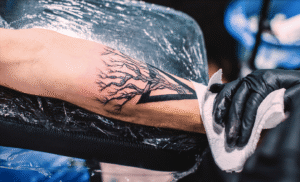
A fresh tattoo is more than beautiful artwork — it is, medically speaking, an open wound. During a recent tattoo session, thousands of tiny needle punctures are made in your skin to implant pigment. While the final result looks artistic and intentional, your body immediately recognizes it as trauma. That’s why newly inked skin feels tender, warm, and slightly swollen. Understanding this reality is the first step toward proper aftercare and protecting your investment.
Tattoo needles work by rapidly depositing ink into the dermis, the deeper and more stable layer of skin beneath the surface. The outer layer, called the epidermis, is constantly shedding and regenerating. If ink were placed only in the epidermis, it would fade quickly as skin cells renew. By embedding pigment into the dermal healing layers, the design becomes long-lasting. However, because the needle must pass through the epidermis to reach the dermis, both layers are temporarily disrupted, triggering tattoo inflammation and activating your body’s natural repair system.
Immediately after your appointment, your skin begins its immune response to ink. You may notice redness, swelling, warmth, and even mild plasma leakage — a clear fluid that helps protect and cleanse the wound. This reaction is completely normal. Your immune system is working to repair damaged tissue while stabilizing the pigment particles within the dermis. Over the next several days, the epidermis starts rebuilding itself, forming a protective barrier over the tattooed area. Recognizing these early healing signs helps you treat your recent tattoo session results with care, patience, and the proper aftercare routine needed to ensure smooth recovery and long-term vibrancy.
The Fresh Tattoo Healing Process (Day-by-Day Timeline)
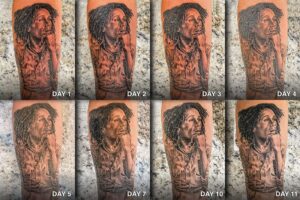
Every tattoo has a story, but how that story looks months from now depends on how well you care for your newly inked skin. The healing journey is structured in stages — each with unique challenges and needs. Understanding this process allows you to take control of your tattoo’s outcome, ensuring crisp lines, vibrant colors, and long-term skin health. Think of your aftercare routine as an extension of the artistry your tattooist created; it’s what transforms a fresh design into a lifetime masterpiece.
Days 1–3: Inflammation & Sensitivity Stage
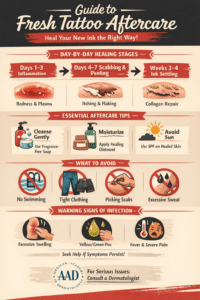
During the first three days after your session, your skin is in full repair mode. Redness, warmth, and mild swelling are natural and expected — these are signs of your body’s anti-inflammatory response activating to heal the micro-injuries caused by tattoo needles. Your newly inked skin may also exude plasma leakage after tattoo application, a clear fluid that helps form a temporary protective layer while flushing out bacteria and debris. This is your body’s way of supporting skin barrier protection and jumpstarting the skin regeneration process. Open wound care is crucial in this early phase. Gentle, fragrance-free cleansing helps remove excess plasma without disturbing dermal healing layers, while a thin layer of healing ointment or balm maintains hydration and shields against external irritants. Loose clothing and careful handling prevent friction and unnecessary trauma. Choosing the right aftercare products during this stage isn’t just a preference — it’s an investment in your tattoo’s long-term vibrancy and clarity, which is why premium healing balms and protective wraps can make a noticeable difference in both comfort and results.
Days 4–7: Scabbing & Peeling Phase
By Days 4–7, your tattoo enters the tattoo scabbing stages, where the skin begins the natural skin regeneration process. Small scabs may form, and light flaking or peeling is normal. These scabs are protective shields created by your body to lock in ink and prevent infections. Itching is common during this phase as the skin repairs itself, but scratching or picking can remove pigment and leave uneven patches, jeopardizing the overall design. Using gentle, fragrance-free moisturizers or tattoo-specific aftercare lotions keeps the skin hydrated, reduces irritation, and helps the scabs naturally fall off without damage. High-quality balms that support skin barrier protection during this tattoo peeling phase can make the difference between smooth healing and patchy ink retention, which is why many tattoo enthusiasts invest in dermatologist-tested products to ensure optimal recovery.
Weeks 2–4: Ink Settling & Skin Repair
Between Weeks 2 and 4, your tattoo transitions into the ink settling stage. The epidermis has mostly rebuilt itself, and deeper dermal layers continue collagen production to strengthen the skin. This stage is critical for tattoo pigment retention, as collagen fibers stabilize the ink particles in the dermis while the skin completes its wound healing stages. Proper hydration, gentle moisturizing, and protection from excessive sun exposure help maintain pigment brilliance and reduce the risk of fading. Premium aftercare products with soothing and regenerative ingredients can support collagen production and long-term skin recovery, ensuring that the colors stay vibrant and lines remain sharp. By understanding these key weeks, you give your tattoo the best chance for a flawless, long-lasting finish that reflects the artistry of the original session.
Essential Fresh Tattoo Aftercare Routine
A tattoo is more than just ink on skin — it’s a commitment to long-lasting art and healthy skin. The first few weeks after a recent tattoo session define how vibrant and sharp your design will remain for years. Following a proper tattoo aftercare routine ensures your newly inked skin heals efficiently, prevents infections, and protects your investment. Choosing high-quality, dermatologist-tested products makes a significant difference in both comfort and results, which is why premium aftercare options are highly recommended for anyone looking to preserve their artwork.
Cleaning Your New Tattoo
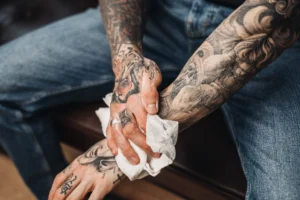
Cleaning is the foundation of a proper aftercare routine. During the initial healing stages, your skin acts as a fragile barrier, and gentle washing helps remove excess plasma, ink residue, and bacteria without damaging dermal healing layers. Always use fragrance-free soap designed for sensitive skin; harsh soaps can strip natural oils, slow recovery, and increase irritation. The pat dry method is critical — instead of rubbing with towels, gently press the area with a soft, disposable paper towel to absorb moisture while avoiding friction. Many tattoo enthusiasts also use breathable bandages in the first day or two to protect the area from dirt and external contaminants, which can reduce infection risk and promote smoother healing. Choosing the right cleanser and protective wraps is an investment in both comfort and long-term pigment retention, making it an ideal affiliate product recommendation for your audience.
Moisturizing Properly
Moisturizing is equally essential for supporting the skin regeneration process. Hypoallergenic, fragrance-free moisturizers maintain hydration without triggering allergic reactions or irritation. Avoid overusing petroleum jelly, as it can suffocate the skin, slow plasma absorption, and disrupt scab formation. Products enriched with Vitamin E or panthenol are excellent choices, as they nourish the skin, reduce inflammation, and aid in wound healing. Proper moisturizing helps prevent excessive dryness, itching, and peeling, ensuring that your tattoo’s colors remain bold and even. Highlighting premium tattoo aftercare balms with natural healing ingredients is a persuasive way to guide readers toward Amazon products that support optimal recovery.
Protecting From Sun Exposure
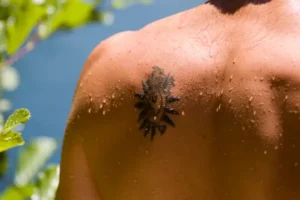
Fresh tattoos are highly sensitive to UV damage, which can fade ink and compromise pigment retention. Sunlight penetrates the epidermis and breaks down tattoo pigments before the dermal layers have fully stabilized, so protecting fresh ink is critical. Applying sunscreen for tattoos once the skin has mostly healed — typically after the first 2–4 weeks — helps maintain color vibrancy and prevents premature fading. Lightweight, broad-spectrum sunscreens designed for sensitive or tattooed skin work best. Combining sun protection with breathable clothing and proper aftercare products ensures that your tattoo not only heals smoothly but also stays vibrant for years. Suggesting high-quality, SPF-rated tattoo sunscreens as affiliate products can provide both practical value and a strong conversion opportunity for your audience.
Following a consistent, step-by-step tattoo aftercare routine — gentle cleansing, proper moisturizing, and sun protection — is the key to long-term tattoo brilliance. By investing in trusted aftercare products, you safeguard your artwork, support skin healing, and ensure that every line and color of your tattoo remains as bold and meaningful as the day it was created.
What to Avoid With a Fresh Tattoo
Caring for a fresh tattoo isn’t just about what you do — it’s equally about what you avoid. Your newly inked skin is essentially an open wound, and exposing it to unnecessary stress or irritants can lead to tattoo healing complications, uneven pigment retention, or even infection. By being mindful of common mistakes and taking proactive measures, you can ensure that your artwork heals beautifully while safeguarding your investment. High-quality aftercare products play a crucial role in protecting the skin while you steer clear of risky behaviors, making them an excellent affiliate recommendation for anyone looking to maintain bold, long-lasting tattoos.
Swimming Pools & Hot Tubs
Swimming pools, hot tubs, and other bodies of water are a major no-go in the first few weeks. Chlorine, bacteria, and other contaminants can easily enter open pores, increasing the risk of contact dermatitis and slowing the skin regeneration process. Even natural bodies of water carry bacteria that can compromise your tattoo’s healing layers. Avoiding submersion helps maintain the skin barrier protection and reduces the risk of infections that can fade your ink. Suggesting waterproof or breathable bandages as affiliate products can provide readers with an extra layer of security during this critical stage.
Tight Clothing
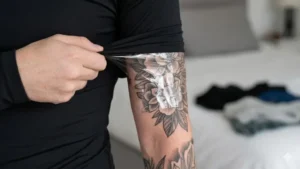
Tight clothing or synthetic fabrics that rub against your newly inked skin can cause irritation, friction, and excessive sweating, all of which disrupt the anti-inflammatory response and may leave scabs uneven or lines blurred. Choosing loose, breathable fabrics allows your skin to breathe and heal without unnecessary stress. Recommending soft, lightweight clothing options or tattoo-friendly wraps as affiliate products gives readers practical solutions that protect fresh ink while enhancing comfort during the healing phase.
Excessive Sweating
Excessive sweating, whether from workouts, hot climates, or stress, can negatively affect a healing tattoo. Sweat contains salts and bacteria that irritate sensitive skin, potentially causing prolonged redness, peeling, or pigment loss. Hydration and gentle skin care are key, and using a hypoallergenic moisturizer or tattoo-specific balm can help reduce itching and protect the skin barrier. Highlighting trusted aftercare products in your affiliate content provides actionable guidance that readers can immediately apply to preserve their tattoo’s vibrancy.
Picking Scabs
Resisting the temptation to pick scabs or scratch itchy areas is critical. Scabs are your skin’s natural protective layer, and removing them prematurely can lead to scarring, patchy ink, and delayed healing. Using quality balms and soothing moisturizers can minimize itching, support collagen production, and help scabs fall off naturally without damaging the tattoo. Recommending gentle, vitamin-enriched aftercare products as affiliates adds value while protecting long-term ink quality.
Using Harsh Products
Harsh soaps, exfoliants, or perfumed lotions should also be avoided, as these can strip natural oils, trigger allergic reactions, and cause contact dermatitis. Sticking to fragrance-free, gentle cleansers ensures proper wound healing stages and maintains pigment retention. Featuring recommended cleansers and protective balms as affiliate products provides readers with a clear, safe path to care for their newly inked skin.
By understanding what to avoid — from swimming and tight clothing to scratching or harsh products — and pairing these precautions with premium aftercare solutions, your readers can confidently navigate the tattoo healing journey. Protecting fresh ink is just as important as applying it, and with the right guidance and products, every tattoo can heal into a masterpiece that lasts a lifetime.
Signs Your Fresh Tattoo May Be Infected
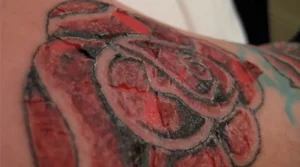
A fresh tattoo is a beautiful work of art, but it’s also a delicate wound that requires close attention. While some redness, swelling, and tenderness are normal during the first few days, it’s important to know the warning signs of a bacterial skin infection. Recognizing the difference between standard healing and a problem early on can prevent serious complications and preserve your tattoo’s long-term vibrancy. Following professional guidance from the American Academy of Dermatology and using trusted aftercare products can reduce risk and support smooth recovery, making high-quality tattoo care essentials an ideal affiliate recommendation for your audience.
Excessive Swelling
Mild swelling is a normal part of the skin’s anti-inflammatory response after a recent tattoo session, but excessive or worsening swelling may indicate infection. Inflamed skin that continues to puff up beyond the first few days, becomes increasingly warm, or spreads beyond the tattooed area should not be ignored. Using soothing, fragrance-free balms or topical creams that support skin barrier protection can help manage normal inflammation while keeping your tattoo safe, and recommending dermatologist-tested products as affiliates adds both practical value and reassurance for your readers.
Yellow or Green Discharge
Plasma leakage is expected during the initial healing stage, but yellow or green discharge signals that bacteria may have invaded the dermal healing layers. Pus or foul-smelling fluids are red flags that require immediate attention. Proper cleaning with gentle, antibacterial cleansers and breathable bandages during the early days of healing can help prevent tattoo infection. Suggesting trusted aftercare products with antibacterial or soothing properties allows your readers to take preventive measures while providing clear affiliate opportunities.
Fever or Severe Pain
A mild tingling or tenderness is normal, but fever, chills, or severe pain are signs that your body may be fighting a more serious bacterial skin infection. These symptoms indicate that the immune response is overwhelmed and professional medical advice is necessary. Consulting a healthcare provider promptly is critical to prevent permanent damage to the skin and tattoo pigment. Including this guidance in your content emphasizes safety while subtly reinforcing the importance of using proper aftercare products for infection prevention.
When to Seek Medical Advice
Knowing when to seek help is crucial. If swelling worsens, discharge changes color, or pain becomes intense, it’s time to consult a medical professional. The American Academy of Dermatology recommends early intervention to minimize tattoo healing complications and prevent scarring. While premium aftercare balms, fragrance-free cleansers, and breathable bandages can reduce the risk of infection, your audience should also understand that professional medical advice is irreplaceable. Highlighting these trusted products as affiliates allows readers to proactively protect their tattoos while reinforcing the authority and reliability of your recommendations.
By teaching your audience to identify the signs of an infected tattoo and pairing this knowledge with quality tattoo aftercare products, you empower them to maintain healthy skin, vibrant ink, and long-lasting designs. Combining awareness, preventive care, and top-notch products ensures that every tattoo heals safely and beautifully.
Pain & Sensitivity – Is It Normal?
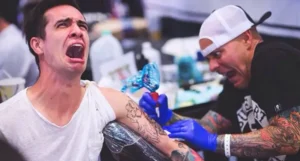
Getting a tattoo is an exhilarating experience, but it also comes with a certain level of discomfort. Understanding what constitutes normal pain versus abnormal pain can help your audience manage expectations and prevent unnecessary worry. Mild tenderness, slight stinging, or a warm, sore feeling around the newly inked skin is completely normal in the first few days. This discomfort is part of your skin’s natural healing process and indicates that the dermal healing layers are actively repairing themselves. By educating readers on what to expect, you can highlight the importance of proper tattoo aftercare and recommend products that soothe sensitive skin, making them ideal affiliate suggestions.
Mild Discomfort vs Abnormal Pain
Mild discomfort after a recent tattoo session typically fades within a few days and is accompanied by normal signs of healing like redness, slight swelling, and plasma leakage. Abnormal pain, on the other hand, may persist, worsen over time, or feel sharp and throbbing. This can indicate complications such as infection, allergic reactions, or irritation from harsh products. Highlighting the difference helps your audience identify when to continue regular care with hypoallergenic moisturizers and protective balms versus when to seek medical guidance. Featuring fragrance-free or vitamin-enriched tattoo aftercare products as affiliate options can give readers a safe solution to manage normal discomfort while supporting healing.
Role of Numbing Agents Like Lidocaine
Many tattoo enthusiasts rely on topical numbing agents such as Lidocaine to minimize pain during the session. These products temporarily block nerve signals in the skin, making the process more comfortable and helping clients stay relaxed. However, it’s important to note that numbing agents do not replace proper aftercare. Using quality post-tattoo balms, cleansers, and moisturizers ensures that the skin barrier protection continues after the numbing wears off, promoting smooth healing and long-term pigment retention. Recommending safe, dermatologist-tested numbing creams as part of an Amazon affiliate strategy can appeal to first-time tattoo clients while reinforcing the importance of comprehensive aftercare.
Healing vs Allergic Reaction
Mild redness, sensitivity, or tingling is typically part of normal healing, but allergic reactions can mimic these symptoms with more intensity. Signs such as persistent itching, rash, or swelling beyond the first few days may indicate an allergy to ink pigments, metals, or topical products. Guiding readers to recognize these signs early, avoid harsh chemicals, and use hypoallergenic tattoo aftercare products supports both safety and optimal pigment retention. Featuring trusted, allergen-free moisturizers and protective balms as affiliate recommendations positions your content as both educational and practical, helping readers protect their newly inked skin while maintaining vibrant, long-lasting tattoos.
By educating your audience on normal pain, the role of numbing agents, and signs of allergic reactions, you provide clarity, build trust, and offer actionable solutions. Coupled with premium aftercare product recommendations, this approach not only ensures safe healing but also creates high-value affiliate opportunities that enhance reader confidence and satisfaction.
FAQs
How long does a fresh tattoo take to heal?
A fresh tattoo typically takes 2–4 weeks for the outer skin to heal, while the deeper dermal layers continue healing for up to 6 weeks. During this period, your skin goes through natural wound healing stages, including redness, swelling, plasma leakage, scabbing, and peeling. Proper tattoo aftercare — gentle cleansing, moisturizing with hypoallergenic or vitamin-enriched balms, and protecting the tattoo from friction or UV exposure — ensures smooth healing and reduces the risk of scarring or uneven pigment. Consistent care during the first month is critical to maintain long-term vibrancy and crisp lines.
Can I shower with a fresh tattoo?
Yes, you can shower with a fresh tattoo, but it must be done carefully. Use lukewarm water and a fragrance-free, gentle soap to remove excess plasma, sweat, or dirt. Avoid submerging the tattoo in baths, hot tubs, pools, or other bodies of water, as chlorine and bacteria can lead to infections. After washing, pat the tattoo dry with a disposable paper towel instead of rubbing to prevent irritation and preserve the delicate skin barrier. Maintaining hygiene while avoiding soaking protects your tattoo, encourages optimal skin regeneration, and supports long-term pigment retention.
When does peeling stop?
Peeling typically begins around Days 4–7 and may continue into the second week as the epidermis regenerates and scabs naturally fall off. Itching, flaking, and mild dryness are normal signs of the skin healing process. Using a fragrance-free moisturizer or a dedicated tattoo balm helps keep the area hydrated, reduces discomfort, and prevents excessive peeling. By supporting the skin barrier and avoiding scratching, you ensure that pigment stays in the dermis, maintaining sharp lines and vibrant colors. Most peeling should be completed by the end of Week 2, though minor flaking can occasionally persist slightly longer depending on skin type.
How do I prevent ink fading?
Preventing ink fading starts with proper tattoo aftercare during the healing process. Keeping your tattoo clean, moisturized, and protected from friction and environmental irritants ensures optimal pigment retention. Once healed, protecting the tattoo from UV exposure is essential — broad-spectrum sunscreen helps prevent color degradation. Avoid harsh soaps, exfoliants, and abrasive clothing during healing, as these can compromise the epidermis and disturb the ink. Consistently following a proper aftercare routine, including using high-quality balms and gentle cleansers, maintains vibrancy, reduces the risk of scarring, and ensures your tattoo looks crisp for years.
Is redness normal after 3 days?
Mild redness is common during the first 3–4 days due to the skin’s anti-inflammatory response and should gradually fade as the skin repairs itself. However, persistent or increasing redness, accompanied by swelling, heat, or pain, could indicate infection or allergic reaction. Monitoring these signs is important to differentiate between normal healing and potential complications. Using fragrance-free moisturizers and gentle cleansers can help reduce irritation, support skin barrier protection, and promote natural recovery, while ensuring that your tattoo’s colors remain vibrant and the skin heals smoothly.
Can I exercise with a fresh tattoo?
Light exercise is generally safe, but avoid workouts that cause excessive sweating or friction against the tattooed area during the first 1–2 weeks. Sweat can irritate newly inked skin, disrupt scabs, and increase the risk of bacterial infection. Wearing loose, breathable clothing and gently cleaning the area afterward minimizes irritation. Incorporating high-quality moisturizers and protective balms during recovery supports the skin’s healing process and maintains long-term ink retention, making them ideal products for readers to consider.
Is it normal for my tattoo to itch?
Yes, itching is a normal part of the tattoo peeling phase as the skin regenerates. It occurs because the epidermis is forming a protective layer over the dermal pigment. Avoid scratching or picking scabs, as this can lead to scarring and uneven ink. Regular application of fragrance-free moisturizers or tattoo-specific healing balms reduces discomfort, supports skin barrier protection, and encourages smooth healing while preserving pigment integrity. Using dermatologist-tested products also minimizes the risk of allergic reactions during this sensitive phase.
When should I use tattoo balm or moisturizer?
Apply a thin layer of hypoallergenic balm or moisturizer 2–3 times a day after gently cleaning the tattoo. This keeps the skin hydrated, reduces itching, and protects the delicate skin barrier during all healing stages. Moisturizers enriched with Vitamin E, panthenol, or natural soothing agents also promote collagen production, support the skin regeneration process, and improve long-term pigment retention. Choosing high-quality tattoo aftercare products ensures comfort, reduces complications, and preserves the tattoo’s vibrancy.
Can I sleep on a fresh tattoo?
Avoid putting direct pressure on your tattoo while sleeping, especially in the first week. Sleeping on clean, soft sheets and ensuring the tattooed area is uncovered or lightly wrapped prevents friction, irritation, and bacterial exposure. Using breathable bandages if necessary and maintaining proper aftercare during the night ensures optimal skin barrier protection and helps your tattoo heal evenly, preserving crisp lines and vibrant color.
What if I notice yellow or green discharge?
Yellow or green discharge is a warning sign of bacterial skin infection and should never be ignored. It indicates that bacteria may have entered the dermal healing layers, increasing the risk of scarring and pigment loss. Stop using potentially irritating products and seek medical advice immediately. Using gentle cleansers and high-quality protective balms can help prevent infection in healthy tattoos, while also providing a natural affiliate recommendation for readers concerned with tattoo infection prevention.
Do numbing creams affect healing?
Topical numbing agents like Lidocaine are safe to use during the tattoo session and help manage pain, but they do not replace proper aftercare. After numbing wears off, following a full aftercare routine with gentle cleansers, moisturizers, and skin barrier protection ensures smooth healing and long-term pigment retention. Recommending safe, dermatologist-tested numbing creams alongside post-tattoo balms creates a complete product solution for readers, perfect for affiliate integration.
Can I apply sunscreen on a fresh tattoo?
Sunscreen should only be applied after the tattoo is fully healed, typically 2–4 weeks post-session. Broad-spectrum SPF protects the tattoo from UV damage, preventing fading and maintaining vibrant colors. Using lightweight, non-irritating sunscreens ensures that the skin barrier remains intact while safeguarding pigment. Suggesting tattoo-safe SPF products gives readers actionable advice and offers a natural opportunity for affiliate product promotion.
How do I know if my tattoo is infected?
Signs of infection include excessive swelling, severe pain, heat, persistent redness, yellow or green discharge, or fever. Promptly seeking medical attention helps prevent permanent damage to both the skin and tattoo pigment. While high-quality aftercare products can reduce infection risk, professional evaluation is crucial if these symptoms appear. Including recommended fragrance-free cleansers and protective balms as affiliate products helps readers proactively protect their tattoo while reinforcing professional guidance.
When should I remove the bandage after a fresh tattoo?
Follow your tattoo artist’s instructions, usually removing the initial protective bandage 2–6 hours after the session. Always wash your hands before touching the tattoo and clean gently with lukewarm water and fragrance-free soap. Using breathable bandages initially can prevent bacterial contamination, support plasma leakage management, and maintain skin barrier protection, making them excellent affiliate product recommendations.
Can I wear tight clothing over a fresh tattoo?
Avoid tight or restrictive clothing that rubs against the tattoo. Friction can irritate newly inked skin, disrupt scabs, and slow the skin regeneration process. Loose, breathable fabrics allow the skin to heal evenly and protect pigment retention. Suggesting soft, tattoo-friendly clothing or protective wraps as affiliate products helps readers prevent irritation while encouraging healthy healing.
Should I pick scabs on my tattoo?
Never pick or scratch scabs. Scabs are your skin’s natural protective layer, and removing them prematurely can result in patchy ink, scarring, and delayed healing. Regularly applying a fragrance-free moisturizer or healing balm reduces itching and supports skin barrier repair. Highlighting high-quality tattoo balms as affiliate products provides practical solutions for readers while ensuring optimal pigment preservation.
How often should I wash my tattoo?
Wash your tattoo 2–3 times daily with lukewarm water and a fragrance-free, gentle soap. Avoid scrubbing or using rough towels, as this can damage the epidermis and disrupt the dermal healing layers. Pat dry gently and follow with a thin layer of healing balm to maintain skin barrier protection and reduce the risk of bacterial infection. Featuring recommended cleansers and balms as affiliates supports safe, consistent care.
Conclusion
A fresh tattoo is essentially a controlled skin injury that needs careful attention. Following a structured aftercare routine supports proper skin regeneration and helps the ink settle beautifully. Protecting fresh ink ensures long-lasting vibrancy while minimizing healing complications.