
Getting a tattoo is an exciting experience, but for many people, the thought of enduring hours of tattoo pain can be intimidating. This is where numbing creams have become increasingly popular, offering a way to reduce discomfort and make the tattooing process more manageable. Among the options available, Emla Cream often comes up in conversations as a potential solution.
Emla is a topical anesthetic cream that contains lidocaine and prilocaine, two well-known numbing agents used in medical settings for minor skin procedures. While it wasn’t originally designed for tattooing, many people wonder: Does Emla Cream actually work for tattoos, and is it safe to use?
Understanding how Emla functions, where it’s effective, and what limitations it has is essential before using it as a tattoo numbing cream. Tattoo artists, dermatologists, and even organizations like the FDA and NHS have weighed in on its applications and precautions. For those considering it, the key questions usually revolve around effectiveness, duration, and safety.
With tattoo numbing creams now widely available in pharmacies and online stores like Amazon, Boots, Walgreens, and CVS, it’s easier than ever for people to access products like Emla. But accessibility doesn’t always equal suitability. Knowing when and how to use Emla properly can make a big difference in your tattoo experience.
This guide explores whether Emla is a reliable option for tattoo pain relief, how it compares to other numbing creams like Zensa, TKTX, and Dr. Numb, and what precautions you should keep in mind before applying it to your skin. By the end, you’ll have the clarity you need to decide if Emla is the right fit for your next tattoo session.
💉 Tattoo Pain Help: Creams That Help Reduce Tattoo Pain
What is Emla Cream?
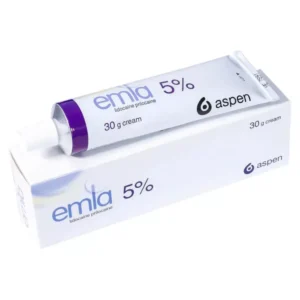
Definition: Lidocaine + Prilocaine Topical Anesthetic
Emla Cream is a topical anesthetic designed to temporarily numb the skin. Its active ingredients are lidocaine and prilocaine, two local anesthetics that work by blocking nerve signals in the skin, reducing the sensation of pain. In medical settings, Emla is commonly used before minor procedures such as needle insertions, skin biopsies, or laser treatments to make patients more comfortable.
Emla Cream for Tattoos: Off-Label Use
When it comes to tattoos, people have started using Emla as an off-label pain relief option. While the cream wasn’t originally developed with tattooing in mind, the numbing effect it provides has made it a point of interest for those looking to ease tattoo discomfort. This crossover use raises an important question: how effective is Emla for tattoo pain, and what should you know before applying it?
FDA and NHS Context
Organizations like the FDA (United States Food and Drug Administration) and the NHS (National Health Service in the UK) have approved Emla for specific medical applications, but not officially for tattooing. This doesn’t mean it’s unsafe, but rather that its effectiveness and safety for tattoo use haven’t been studied as extensively as for medical procedures. Because of this, it’s important for users to understand the limitations, potential side effects, and correct application methods before using Emla during a tattoo session.
Prescription vs Over-the-Counter Numbing Creams
Another factor to consider is the difference between prescription and over-the-counter numbing creams. In some countries, Emla is available without a prescription in lower concentrations, making it accessible through pharmacies and online retailers like Amazon, Boots, and Walgreens. Stronger formulations, however, may require a doctor’s prescription to ensure safe use, especially for larger treatment areas.
This distinction matters because not all numbing creams are created equal. Some alternatives, such as Zensa, TKTX, or Dr. Numb, are marketed specifically for tattoo applications and may contain higher concentrations of lidocaine or additional ingredients to extend numbing duration. By understanding where Emla stands among these options, users can make a more informed decision about whether it’s the right cream to manage tattoo pain.
Does Emla Cream Work for Tattoos?
Effectiveness of Emla Numbing Cream During Tattoo Sessions
Emla cream can provide noticeable pain relief during tattooing, but its effectiveness often depends on the size, placement, and duration of the tattoo session. Because it contains lidocaine and prilocaine, the cream works by dulling the nerves in the skin, which helps reduce pain sensations when the tattoo needle penetrates the surface.
Many users report that Emla makes the early stages of tattooing more tolerable, especially in areas where the skin is particularly sensitive. However, it’s worth noting that the numbing effect is temporary and may not last for the entire session, particularly if you are getting a large or highly detailed tattoo.
How Long Does Emla Last for Tattoos?
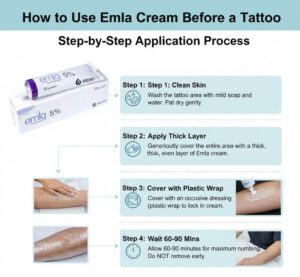
On average, Emla numbing cream provides relief for about 1 to 2 hours, though this can vary from person to person. When applied correctly—usually 60 minutes before the tattoo session and covered with a plastic wrap—the cream can reach maximum effectiveness. For smaller tattoos, this duration may be enough to complete the work with minimal discomfort.
However, for larger pieces or multi-hour sessions, the numbing effect may start to wear off, leaving you to feel the tattoo needle more intensely as the procedure continues. This is one of the reasons some artists and clients look into longer-lasting tattoo numbing creams.
Limitations: Off-Label Use for Tattoos
One important point to keep in mind is that Emla was not originally designed for tattooing. Its primary approval by organizations like the FDA and NHS is for minor medical procedures such as blood draws, skin biopsies, or laser treatments.
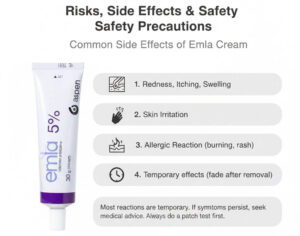
When people use Emla for tattoos, it is considered an off-label use, which means the safety and effectiveness haven’t been fully studied in the context of tattooing. This doesn’t mean it’s unsafe, but it does mean users need to be cautious, follow directions carefully, and consider potential side effects like skin irritation, redness, or allergic reactions.
Comparison with Other Tattoo Numbing Creams
Compared to other numbing creams specifically marketed for tattoos, Emla has both advantages and drawbacks:
-
Emla vs. Zensa: Zensa is plant-based, contains 5% lidocaine, and is popular for being safe on sensitive skin. Unlike Emla, Zensa is marketed directly for tattoos and may provide longer-lasting relief.
-
Emla vs. TKTX: TKTX creams often include higher concentrations of lidocaine (sometimes combined with epinephrine to extend numbing). This can make TKTX longer-lasting but may increase the risk of irritation or side effects.
-
Emla vs. Dr. Numb: Dr. Numb is another tattoo-focused cream with 5% lidocaine, designed for prolonged numbing. It’s generally considered stronger for longer sessions, though it may come at a higher cost.
Emla remains a trusted, pharmacy-available option that is accessible in many regions, but when it comes to tattoo-specific needs, creams like Zensa, TKTX, or Dr. Numb are often preferred by tattoo professionals for their extended numbing effects.
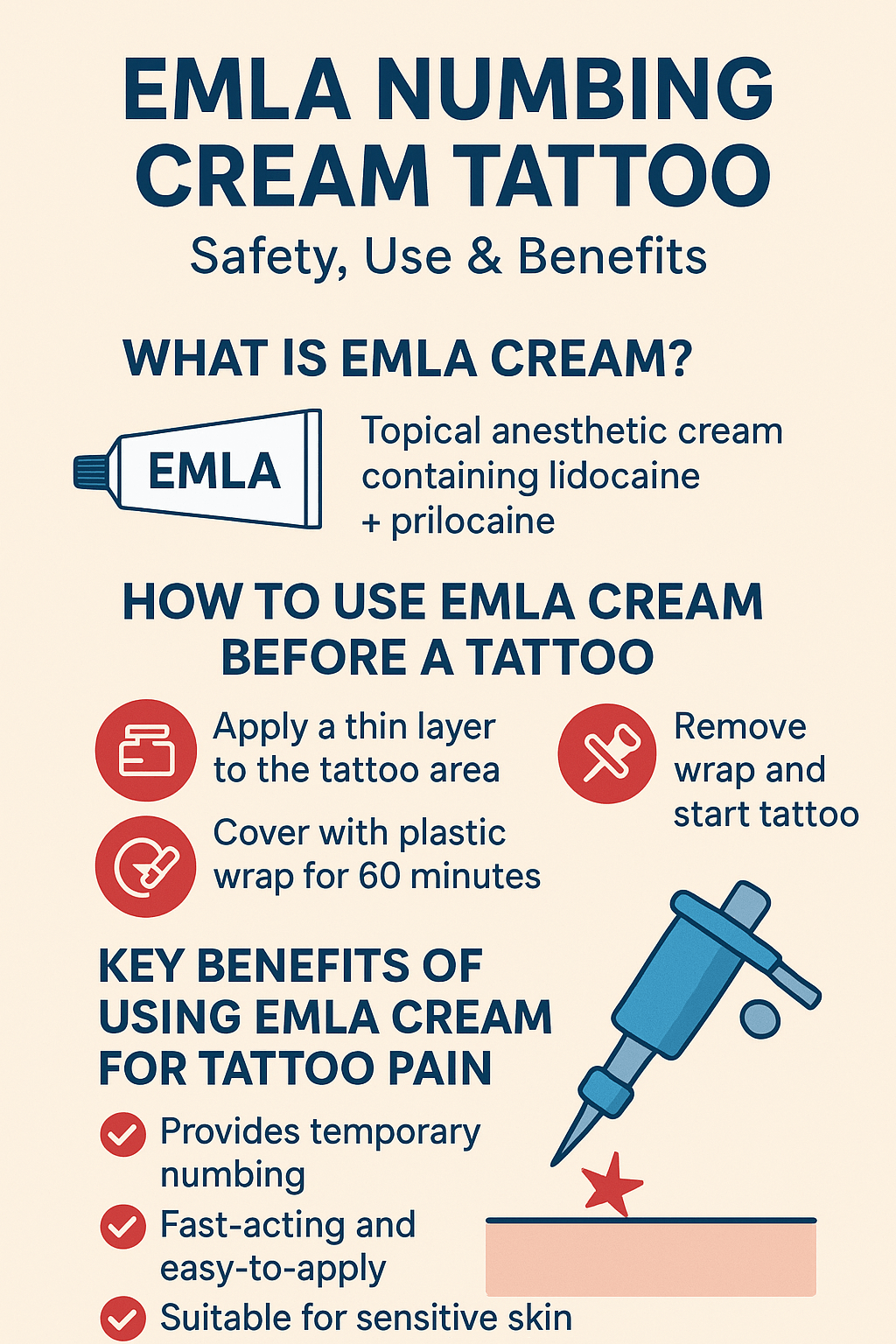
Key Benefits of Using Emla Cream for Tattoo Pain
Pain Relief During Tattooing
The most obvious advantage of Emla cream is its ability to significantly reduce tattoo pain. Tattoo needles penetrate the skin thousands of times per minute, which can feel sharp, stinging, or burning depending on the location of the tattoo. By numbing the surface layer of the skin, Emla helps dull these sensations and makes the process more manageable. For people who are nervous about pain or getting their first tattoo, this added comfort can make the entire experience more positive.
Fast-Acting and Temporary Pain Reduction
Another benefit of Emla cream is that it is fast-acting. When applied correctly, the numbing effect usually kicks in within 30 to 60 minutes and lasts for about 1 to 2 hours. This makes it especially useful for small- to medium-sized tattoos that can be completed within a single sitting.
While it may not provide all-day relief for longer sessions, the temporary reduction in discomfort is often enough to get through the most sensitive parts of the procedure, such as line work or areas with thinner skin.
Suitable for Sensitive Skin
Tattoo pain can be especially intense on sensitive skin, such as the ribs, inner arms, or ankles. Emla cream is dermatologist-tested and generally considered safe for individuals with sensitive skin when used as directed. Since it is water-based and free from harsh additives, it tends to cause fewer reactions compared to some stronger numbing creams on the market. However, it’s always wise to do a patch test before applying Emla to a larger area to ensure your skin doesn’t react negatively.
Easy-to-Apply Water-Based Formula
Unlike some numbing creams that can feel greasy or sticky, Emla has a light, water-based formula that spreads easily across the skin. This makes it user-friendly and less messy, whether you’re applying it at home or having your tattoo artist assist you.
The cream’s consistency also helps with even absorption, ensuring the numbing agents—lidocaine and prilocaine—are distributed effectively. Because it’s designed for medical use, the formula is both reliable and safe when used properly, making it a convenient choice for those who want to minimize discomfort without complicating their tattoo session.
Comparative Table: Effectiveness, Duration, & Cost
| Numbing Cream | Effectiveness | Duration | Cost |
|---|---|---|---|
| Emla | Moderate (medical-grade) | 1–2 hours | Mid-range |
| Zensa | High (natural, skin-friendly) | 2–3+ hours | Higher-end |
| TKTX | Very strong (high lidocaine %) | 3–5 hours | Varies (often cheaper) |
| Dr. Numb | Strong (tattoo-focused) | 2–4 hours | Mid-to-high range |
FAQs
Is Emla Cream safe to use before getting a tattoo?
Emla Cream is a clinically approved topical anesthetic that many people use to reduce tattoo pain. It contains lidocaine and prilocaine, which work together to numb the skin temporarily. While it is generally considered safe, it’s important to remember that Emla is officially licensed for medical use, not specifically for tattoos. That said, many tattoo clients and artists rely on it for smaller to medium-sized sessions. If you have sensitive skin, allergies, or underlying medical conditions, it’s always best to consult a healthcare professional before applying.
How long before a tattoo should I apply Emla Cream?
For the best results, Emla should be applied about 60 minutes before your tattoo session. This allows the cream to fully absorb into the skin and activate its numbing properties. Covering the area with plastic wrap or an occlusive dressing after application helps maximize absorption and ensures deeper numbing. If applied too late, you may not get the full effect, and if applied too early, the numbness may wear off before your tattoo is complete.
How long does Emla Cream last during a tattoo session?
Emla typically provides 1 to 2 hours of numbing relief, depending on how thickly it was applied and how your skin absorbs the cream. This makes it ideal for short to medium tattoo sessions, such as small designs, touch-ups, or line work. For longer sessions, some people may need reapplication or may choose stronger tattoo-specific numbing creams like Dr. Numb or TKTX, which last longer.
Can Emla Cream completely remove tattoo pain?
Emla Cream significantly reduces tattoo pain but does not completely eliminate it. Tattooing involves needles penetrating the skin repeatedly, so some discomfort is inevitable. The cream is designed to dull the pain, making it more manageable and tolerable, especially for people with low pain thresholds or tattoos in sensitive areas like ribs, ankles, or inner arms.
Are there any side effects of using Emla Cream for tattoos?
Yes, like any topical anesthetic, Emla can cause mild side effects such as skin redness, itching, or irritation. In rare cases, allergic reactions may occur. It is also not recommended to apply on broken skin, very large areas of the body, or if you have certain medical conditions. Both the FDA and NHS warn that while Emla is safe for clinical use, applying it over excessively large areas for tattoos could pose health risks.
Is Emla Cream better than other numbing creams for tattoos?
Emla is highly trusted due to its medical background and regulated formulation, but it may not be as long-lasting as tattoo-specific creams like Zensa, TKTX, or Dr. Numb. Zensa is preferred for its natural ingredients and longer duration, TKTX is popular for its stronger lidocaine concentration, and Dr. Numb is specifically approved for tattoo use. Emla stands out for those who want a safe, pharmacy-grade option with consistent results.
Can I buy Emla Cream over the counter?
Yes, in many countries including the UK, EU, and parts of Asia, Emla Cream is available over the counter at pharmacies. In the United States, it is often available with a prescription, although you can sometimes find it from online retailers. Always make sure to purchase from a trusted source to avoid counterfeit or misbranded products.
Is Emla Cream suitable for sensitive skin?
Emla is a water-based formula that many people with sensitive skin tolerate well. However, since it contains two anesthetics (lidocaine and prilocaine), patch testing is recommended before applying it to a larger area. If you have a history of eczema, skin allergies, or reactions to numbing agents, consider alternatives like Zensa Numbing Cream, which is marketed as paraben-free and gentle on sensitive skin.
Conclusion
Emla Cream can be a helpful solution for those looking to reduce tattoo pain. Its combination of lidocaine and prilocaine provides temporary numbing, making tattoo sessions more comfortable, especially for small to medium-sized designs. However, it’s important to remember that Emla was originally formulated for medical procedures, not specifically for tattoos, which means it has certain limitations in duration and strength compared to tattoo-specific numbing creams like Zensa, TKTX, or Dr. Numb.
When used correctly—applied 60 minutes before the session, covered with plastic wrap, and used on appropriate areas—Emla can significantly ease discomfort. At the same time, safety should always come first. People with allergies, sensitive skin, or health conditions need to take extra precautions, and overuse on large tattoo areas should be avoided.
If you’re considering Emla or any other numbing cream, the best approach is to discuss it with your tattoo artist or a dermatologist. They can guide you on safe application, suggest alternatives if needed, and help ensure your tattoo experience is both safer and more comfortable.