
Getting a tattoo is an exciting form of self-expression, but let’s be honest—tattoo sessions can be painful. That’s why many people turn to numbing creams to make the process more comfortable. But before slathering on a layer of lidocaine cream for tattoo pain, it’s important to understand how these products can affect your tattoo healing and overall skin health. While they can temporarily dull the sting, numbing creams may also interact with the delicate layers of skin your tattoo relies on for ink retention, potentially influencing the final vibrancy of your artwork.
Using a numbing cream isn’t just about comfort; it’s also about safety. Some individuals experience tattoo skin reactions, including redness, swelling, or irritation, which can slow down the natural healing process. Proper aftercare, awareness of possible side effects, and understanding how these creams interact with your skin are essential for ensuring that your tattoo not only looks stunning but also heals smoothly. In this guide, we’ll dive into the effects of tattoo numbing creams, their impact on ink retention, and tips for keeping your skin healthy while minimizing pain.
What Is Tattoo Numbing Cream?
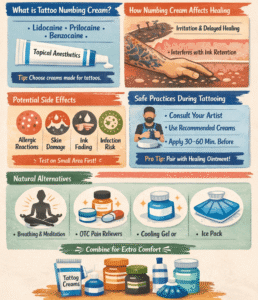
When the thought of tattoo needles makes your skin crawl, tattoo numbing creams can feel like a lifesaver. These creams are a type of topical anesthetic for tattoos, designed to temporarily reduce pain during your tattoo session. The most common active ingredients include lidocaine, prilocaine, and benzocaine, each working to gently numb the surface of your skin so the sensation of the needle is less intense.
So how do they actually work? When applied, these creams temporarily block pain signals from reaching your brain, giving you a more comfortable tattooing experience. Think of it as a short-term pause button for pain. Many artists and tattoo enthusiasts rely on these pain relief creams to help clients endure longer sessions, especially for larger or more sensitive tattoos. However, while they provide temporary tattoo pain relief, it’s important to use them correctly and be aware of how they may interact with your skin to ensure your tattoo heals beautifully.
How Numbing Cream Can Affect Tattoo Healing
Getting a tattoo is not just about the design—it’s a delicate process where your skin plays the starring role. After the needle touches your skin, your body naturally begins a healing process, forming tiny scabs and triggering skin regeneration. During this time, your skin works hard to retain the ink, locking in the colors that will define your tattoo for years to come. Proper healing is essential not only for vibrancy but also to prevent tattoo healing complications such as uneven fading, infection, or scarring.
Potential Irritation and Allergic Reactions
While numbing creams can make the tattooing process more comfortable, they may also come with risks. Some individuals experience skin irritation from numbing cream, including redness, itching, or mild swelling. In rare cases, allergic reactions can occur, which can worsen the natural inflammation that happens after tattooing. This irritation can make the healing process more uncomfortable and may even compromise the tattoo’s appearance if the skin becomes overly sensitive or damaged.
Delayed Healing and Ink Retention
Another key concern is prolonged healing due to numbing cream. By interfering with the skin’s natural response, these creams can sometimes slow down scabbing and regeneration, which are crucial for locking in ink. If your skin takes longer to heal, it may also affect ink retention, leading to faded or uneven tattoos. This is why many tattoo artists recommend carefully balancing comfort with proper aftercare routines to protect both your skin and your investment in a lasting piece of art.
For those shopping for tattoo numbing creams on Amazon, look for products with high-quality, skin-safe ingredients, ideally designed specifically for tattoo use. Pairing a reliable numbing cream with a good healing ointment can help minimize irritation while supporting your skin’s natural recovery, ensuring your tattoo comes out as vibrant and detailed as you imagined.
Potential Side Effects of Using Numbing Cream on Tattoos
While tattoo numbing creams can make your tattoo session more comfortable, it’s important to understand the potential side effects before applying them. Using the wrong product—or applying it incorrectly—can sometimes cause more harm than good. Being aware of these risks not only protects your skin but also ensures your tattoo heals beautifully and maintains its vibrancy.
Allergic Reactions
Some people may experience an allergic reaction to tattoo cream, which can show up as redness, swelling, or an itchy rash. These reactions occur because the skin is highly sensitive after tattooing, and certain ingredients in numbing creams—like lidocaine or benzocaine—can trigger irritation in susceptible individuals. If left unchecked, this can disrupt the healing process, making it uncomfortable and potentially affecting the final appearance of your tattoo.
Skin Damage and Sensitivity
Another concern is skin damage from numbing cream, including burning sensations, peeling, or prolonged sensitivity. Over-application or using a cream not specifically designed for tattoo skin can interfere with the natural scabbing and skin regeneration process. Damaged skin may heal slower, leaving your tattoo at risk for uneven ink absorption, which can compromise the sharpness and clarity of your design.
Risk of Ink Fading or Uneven Results
Improper use of numbing creams may also contribute to tattoo color fading risks. Since the cream can temporarily alter how your skin reacts during tattooing, the ink may not settle uniformly, leading to patchy areas or less vibrant colors. This makes choosing the right product and following professional guidance critical, especially if you’re investing in a detailed or large piece.
Infection Concerns
Lastly, tattoo infection prevention is crucial when using numbing creams. Applying a cream over broken skin, or using a contaminated product, can introduce bacteria and increase the risk of infection. Even minor infections can delay healing, cause discomfort, and impact the overall appearance of your tattoo. For Amazon shoppers, selecting trusted, sterile, and tattoo-specific numbing creams, paired with proper aftercare ointments, helps reduce these risks while keeping your tattoo safe and looking its best.
Safe Practices for Using Numbing Cream During Tattooing
Using tattoo numbing creams can make the tattooing experience far more comfortable, but safety should always come first. The key is knowing how to use these products correctly to protect your skin, promote proper healing, and ensure your tattoo looks as vibrant as intended. Following safe tattoo aftercare products guidelines can help you enjoy pain relief without compromising your skin’s health.
Consult a Professional
Before applying any numbing cream, it’s essential to consult a tattoo artist or dermatologist. Experienced professionals understand how different creams interact with tattooed skin and can recommend products that are safe for both pain relief and healing. Their guidance ensures you’re using the right strength, avoiding potential allergic reactions, and adhering to proper tattoo artist recommendations that protect your investment in a long-lasting design.
Choose the Right Cream
Not all numbing creams are created equal. Always use recommended creams with correct ingredients, specifically formulated for tattoo use. Look for products containing safe topical anesthetics like lidocaine in proper concentrations. Avoid generic pain relief creams or products with harsh chemicals, as these can cause skin irritation, delayed healing, or ink fading, reducing the overall quality of your tattoo.
Apply at the Right Time
Timing is critical for effectiveness and safety. Apply the cream at proper intervals before tattooing, usually 30–60 minutes prior, depending on the product instructions. Applying too early or too late can reduce numbing efficiency, while over-application can irritate the skin. Proper timing ensures maximum comfort during the session while minimizing interference with your skin’s natural healing process.
Avoid Overuse and Mixing Chemicals
Never overuse numbing creams or mix them with other skincare products, as this can cause adverse reactions. Combining chemicals can irritate the delicate tattooed area, slow skin regeneration, or even affect ink retention. Sticking to trusted, sterile, tattoo-specific creams, paired with proper aftercare ointments, ensures your skin stays healthy and your tattoo heals smoothly.
Using these safe practices not only enhances comfort but also maintains your tattoo’s vibrant colors and crisp details. For those shopping online, Amazon offers a wide range of trusted tattoo numbing creams and safe aftercare products, making it easy to choose options recommended by professionals while supporting a smooth, pain-minimized tattoo experience.
Natural Alternatives to Numbing Cream
Not everyone wants to rely on tattoo numbing creams to manage pain, and luckily, there are several effective natural alternatives that can make your session more comfortable while reducing the risk of irritation or delayed healing. These methods focus on helping your body cope with the sensation of tattooing without chemical intervention, making them ideal for sensitive skin or those looking to avoid side effects.
Distraction Techniques
One of the simplest yet surprisingly effective methods is using distraction techniques. Deep breathing exercises, meditation, or focusing on music can help shift your attention away from the pain. Some tattoo artists even use gentle vibration devices to help your nerves “reset,” reducing the perception of discomfort. These techniques not only make the session more manageable but also promote relaxation, which can help your skin heal better afterward. Incorporating these methods is a natural way to achieve tips for pain-free tattoo sessions without risking irritation from creams.
Over-the-Counter Pain Relievers
If approved by a doctor, certain over-the-counter pain relievers can help reduce discomfort before your session. Medications like acetaminophen (Tylenol) can dull pain internally, complementing natural methods. However, always consult a healthcare professional before taking any medication, as some painkillers, like ibuprofen, can thin the blood and increase bleeding during tattooing, potentially affecting ink retention and healing.
Cooling Gels and Ice Packs
Another safe alternative is using cooling gels or ice packs prior to tattooing. Applying a cold compress to the area can temporarily numb the skin and reduce swelling, making the needle sensation less intense. This method is particularly useful for sensitive areas or smaller tattoos and is an easy addition to your pre-tattoo routine. Some products available on Amazon combine cooling with soothing aloe or natural ingredients, offering both comfort and skin protection during the tattooing process.
By combining these natural approaches, you can enjoy a more pain-free tattoo session while avoiding potential side effects of tattoo numbing creams. For those looking for safe, convenient solutions, Amazon offers a variety of cooling gels, vibration devices, and relaxation tools designed to enhance your tattoo experience without compromising your skin’s health.
FAQs
Can numbing cream cause permanent damage to tattoos?
Most tattoo numbing creams are safe when used as directed, but improper application can lead to complications. Overuse or applying a product not designed for tattoo skin can cause skin irritation, allergic reactions, or delayed healing, which may affect ink retention and the final appearance of your tattoo. While the cream itself doesn’t directly damage ink, interfering with the natural scabbing and skin regeneration process could result in patchy areas or uneven colors. Using professional-recommended numbing creams and following your artist’s guidance ensures your tattoo remains vibrant and heals properly.
Does lidocaine affect tattoo ink?
Lidocaine is a common ingredient in tattoo numbing creams that works by temporarily blocking pain signals in the skin. It does not chemically alter or dissolve the tattoo ink. However, excessive use or applying lidocaine cream incorrectly can interfere with the skin’s natural healing process, potentially affecting ink absorption. This could slightly impact how well colors settle, particularly in delicate areas or detailed designs. To avoid this, apply the cream exactly as instructed and pair it with a good healing ointment to maintain optimal skin health and vibrant tattoo results.
Is numbing cream safe for all skin types?
Not all skin types react the same way to topical anesthetics. Individuals with sensitive skin, eczema, or a history of allergies may experience redness, swelling, or itching after applying numbing creams. Some creams may also trigger allergic reactions to tattoo cream, especially if they contain benzocaine or other chemical additives. The safest approach is to perform a patch test on a small, inconspicuous area at least 24 hours before your tattoo session. Consulting your tattoo artist or a dermatologist can also help you select a skin-friendly, professional-recommended cream that minimizes irritation while providing effective pain relief.
How long should I wait after applying numbing cream before tattooing?
Timing is crucial for the effectiveness and safety of numbing creams. Most products need 30–60 minutes to take full effect, but this can vary depending on the concentration and thickness of the skin. Applying the cream too early may wear off before your session, while applying too late could leave the skin unprotected and sensitive. Proper timing ensures the skin is sufficiently numbed, reduces discomfort, and prevents unnecessary stress on the healing tissue. Always follow the manufacturer’s instructions and your tattoo artist’s guidance to optimize both comfort and ink retention.
Can numbing creams increase the risk of infection?
Yes, improper application can increase infection risk. Applying numbing creams to unclean or broken skin, or using contaminated tools, can introduce bacteria to the tattooed area. Infections may delay healing, cause irritation, and compromise the vibrancy of your tattoo. To minimize risk, apply the cream to freshly washed, disinfected skin, use sterile tools, and follow recommended tattoo aftercare routines. Choosing trusted, high-quality creams—ideally sold by reputable brands on Amazon—also reduces the chance of contamination.
Are there natural ways to reduce tattoo pain without creams?
Absolutely! Several natural alternatives can complement or even replace numbing creams, especially for those with sensitive skin. Distraction techniques like deep breathing, meditation, or listening to music help shift focus away from pain. Some artists use gentle vibration devices to soothe the nerves in the tattooed area. Additionally, cooling gels or ice packs applied briefly before tattooing can numb the skin naturally. For mild discomfort, doctor-approved over-the-counter pain relievers like acetaminophen may also help. Combining these methods with proper preparation ensures a pain-free tattoo session while reducing the risk of irritation or delayed healing.
Can I use multiple numbing products at once?
Using more than one numbing product at a time is strongly discouraged. Combining creams, gels, or chemical products can significantly increase the risk of skin irritation, allergic reactions, or chemical burns. Some mixtures can also interfere with the skin’s natural regeneration process, leading to delayed healing or uneven ink retention. Stick to a single, high-quality numbing cream recommended by your tattoo artist and follow proper timing and dosage instructions. This approach maximizes comfort while protecting your tattoo and skin.
Do numbing creams work for all tattoo sizes and locations?
Effectiveness depends on the area of the tattoo and the skin type. Thinner, more sensitive skin—like the ribs or inner arms—may react differently than thicker areas like the shoulders or thighs. Large or intricate tattoos may require carefully timed application and additional sessions for optimal pain management. Consulting your tattoo artist about pain management strategies ensures the numbing cream works effectively without compromising ink placement or healing.
Can numbing cream affect scabbing or healing speed?
Overusing numbing creams or applying them incorrectly can interfere with your skin’s natural healing cycle. Scabbing, peeling, and skin regeneration are critical for locking in ink and preserving vibrant colors. Interrupting this process may lead to uneven scabs or slower healing, which can impact the tattoo’s final appearance. Properly timed application of tattoo-specific creams, combined with healing ointments, ensures smooth recovery while keeping your tattoo sharp and colorful.
Is it safe for minors to use numbing creams?
Most numbing creams are formulated for adults, and minors should only use them under parental supervision and with professional guidance. The skin of younger individuals can be more sensitive, increasing the likelihood of irritation or allergic reactions to tattoo cream. Always consult a dermatologist or experienced tattoo artist to choose a safe product and follow strict application and aftercare instructions for minors.
How can I minimize side effects while using numbing cream?
To minimize risks:
-
Use creams specifically labeled for tattoo use
-
Perform a patch test before full application
-
Follow recommended timing and dosages
-
Avoid mixing with other products or harsh chemicals
-
Pair with professional aftercare ointments to support healing
These precautions reduce the risk of skin irritation, allergic reactions, and prolonged healing, helping your tattoo look its best.
Can repeated use of numbing creams affect long-term skin health?
Frequent or excessive use of numbing creams over multiple tattoo sessions may cause temporary skin sensitivity or mild irritation, especially in sensitive areas. While occasional use is generally safe, consistently overusing anesthetics can disrupt the skin’s natural protective barrier. To maintain long-term skin health, alternate with natural pain management methods like breathing techniques, cooling gels, or vibration devices, and always follow professional-recommended safe tattoo aftercare products.
Conclusion
Tattoo numbing creams can effectively manage pain, but improper use may lead to tattoo healing complications or affect ink retention. Always consult professionals, follow a proper aftercare routine, and monitor skin reactions to ensure safe healing. If concerned about irritation or fading, consider natural alternatives to support the skin regeneration process while practicing safe tattoo practices.