
Getting a new tattoo is exciting, but proper aftercare plays a huge role in how well your tattoo heals and how vibrant it looks over time. A fresh tattoo is essentially a small wound on the skin, which means it needs the right care to prevent infection, reduce irritation, and support healthy skin recovery. During the healing process, many people rely on tattoo aftercare products such as fragrance-free moisturizers, healing ointments, antibacterial creams, and specialized tattoo balms to keep the skin hydrated and protected. Following a proper tattoo healing routine can help prevent scabbing, fading, dryness, and other issues that might affect the final appearance of your ink.
Table of Contents
ToggleOne common question that often comes up in tattoo aftercare discussions is whether using Neosporin on a tattoo is a good idea. Because Neosporin is a popular over-the-counter antibiotic ointment used for minor cuts and wounds, many assume it might also help a fresh tattoo heal faster or prevent infection. However, tattoo artists and skincare professionals often have mixed opinions about its use on newly tattooed skin. In this article, we’ll explore whether Neosporin is safe for tattoos, its potential benefits and drawbacks, how it compares to other tattoo aftercare products, and what experts generally recommend for keeping your tattoo clean, moisturized, and healing properly.
What Is Neosporin?
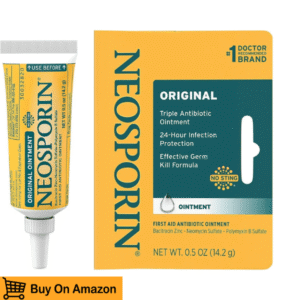
Neosporin is a widely used topical antibiotic ointment designed to help protect minor skin injuries from infection. It is available over the counter, meaning you can buy it without a prescription at pharmacies and drugstores. The ointment works by creating a protective barrier over small wounds while delivering antibacterial ingredients that help stop harmful bacteria from growing. Because of its ability to provide antibacterial protection and support the natural healing process, Neosporin has become a common product found in many household first-aid kits.
The product is manufactured by Johnson & Johnson and contains a combination of three antibiotics that work together to prevent infection. These ingredients include Bacitracin, Neomycin, and Polymyxin B. Each of these components targets different types of bacteria, helping provide broad skin infection prevention. Neosporin is commonly used on minor cuts, scrapes, burns, and other small skin wounds to keep the area clean, reduce the risk of bacterial growth, and support faster healing. Because of these benefits, many people consider using it on fresh tattoos—although whether it’s the best choice for tattoo aftercare is something we’ll explore further in this guide.
Understanding the Tattoo Healing Process
Getting a tattoo is more than just sitting in a chair and leaving with inked skin—it’s a journey for your skin. Understanding the tattoo healing stages can help you care for your new artwork properly and choose the right aftercare products to protect your investment. Each stage of healing comes with its own challenges, from redness and swelling to scabbing and color stabilization. Knowing what to expect not only keeps your tattoo looking vibrant but also prevents infection and irritation, which is why selecting the right tattoo scabbing treatment and moisturizers is essential.
Stage 1 – Fresh Tattoo (Open Wound)
The moment you leave the tattoo studio, your skin is essentially an open wound. During this stage, it’s common to experience redness, swelling, and tenderness in the tattooed area. Your body is working hard to repair the damaged skin, and this is where the first line of protection is crucial. Using a topical ointment or specialized tattoo cream recommended for fresh tattoos can create a protective barrier, keeping harmful bacteria out while locking in moisture. Think of it as giving your skin a mini shield—protecting both your health and the artwork you just invested in.
Stage 2 – Scabbing and Peeling
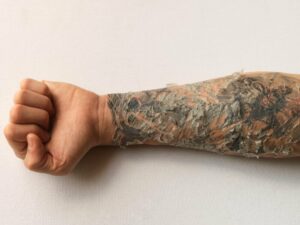
Within a few days, your tattoo begins forming scabs as part of the skin repair process. This is your body’s natural way of healing, but it also makes the area itchy and delicate. Picking or scratching the scabs can damage the ink, leading to patchy areas or color loss. Applying a healing ointment or tattoo aftercare balm helps soften scabs, supports moisture retention, and promotes smoother skin recovery. Choosing the right product from trusted brands on Amazon ensures your tattoo heals beautifully without compromising the vibrancy of your design.
Stage 3 – Skin Recovery
The final stage is where your skin regenerates fully, and the tattoo color begins to stabilize. By now, most of the scabs have naturally fallen off, and the new skin layer is forming. Continued use of moisturizing tattoo creams keeps the area hydrated, prevents dryness, and enhances the longevity of the ink. This stage is crucial for maintaining the sharpness of your tattoo, so investing in high-quality tattoo aftercare products can make all the difference. Think of it as giving your artwork the final polish—protecting your tattoo for years to come.
By understanding each tattoo healing stage and selecting the right products to support the skin repair process, you’re not just taking care of a tattoo—you’re safeguarding a piece of art that tells your story.
Can You Use Neosporin On A Tattoo?
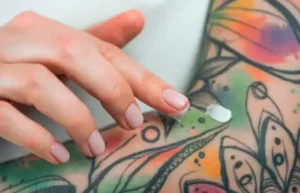
When it comes to fresh tattoo care, many people wonder if applying a popular antibiotic cream for tattoos like Neosporin is a smart move. After all, Neosporin is designed to prevent infection in minor cuts and scrapes, so it seems like a natural choice for a new tattoo. Its combination of Bacitracin, Neomycin, and Polymyxin B offers strong tattoo infection prevention, which is why some first-time tattoo owners reach for it right after leaving the studio.
However, many experienced tattoo artists actually discourage using Neosporin on fresh tattoos. The reason is that while it protects against bacteria, the thick ointment can clog pores, trap excess moisture, and even irritate sensitive tattooed skin. This can slow the skin repair process, cause rashes, or create uneven healing that affects the vibrancy of your tattoo. Instead, professionals often recommend specialized tattoo aftercare creams that are fragrance-free, lightweight, and formulated to support healing without blocking the skin.
For anyone looking to combine safety with optimal tattoo results, choosing high-quality, tattoo-specific products available on Amazon ensures your artwork heals cleanly while reducing the risk of irritation. With the right fresh tattoo care tips, you can keep your skin protected, your tattoo looking sharp, and avoid the common pitfalls of using generic antibiotic ointments.
Why People Consider Neosporin for Tattoos
Many first-time tattoo owners wonder if applying Neosporin or similar antibiotic cream for tattoos is a smart choice. After all, Neosporin is designed to prevent infection in minor cuts and scrapes, offering strong tattoo infection prevention. It seems like a simple way to protect your new tattoo while promoting healing.
Why Tattoo Artists Often Discourage It
Despite its antibacterial benefits, many experienced tattoo artists discourage using Neosporin on fresh tattoos. The thick ointment can trap moisture, clog pores, and irritate delicate tattooed skin. This may slow the skin repair process, cause rashes, or even affect the vibrancy of your tattoo.
Safe Alternatives for Fresh Tattoo Care
Instead of Neosporin, professionals recommend specialized tattoo aftercare creams that are lightweight, fragrance-free, and formulated specifically for healing tattooed skin. These products help your tattoo heal cleanly, maintain color, and reduce the risk of irritation, following the best fresh tattoo care tips.
Protect Your Tattoo While Healing
Choosing the right aftercare products, especially those available on Amazon, ensures your artwork stays vibrant and infection-free. By following proper tattoo infection prevention routines, you can enjoy a beautifully healed tattoo without the downsides of generic antibiotic ointments.
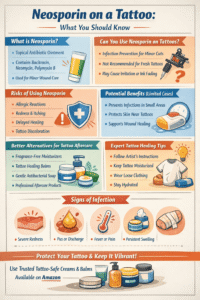
- Neosporin provides strong antibacterial protection that helps reduce the risk of infection in minor skin injuries.
- It contains three active antibiotics that work together to target a wide range of bacteria.
- It is easily available over the counter in most pharmacies without a prescription.
- It can create a protective barrier that keeps dirt and germs away from small wounds.
- It helps support initial wound protection in the very early stage of skin healing.
- It can clog pores and trap moisture, which may slow down tattoo healing.
- Some users may experience skin irritation or allergic reactions, especially to Neomycin.
- It is not specifically formulated for tattoos, so it may affect ink healing or color clarity.
Why Tattoo Artists Often Recommend Avoiding Neosporin
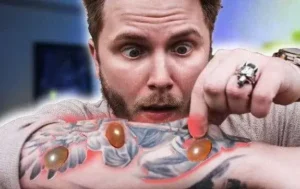
Getting a fresh tattoo is a delicate process, and tattoo aftercare mistakes can have a lasting impact on how your artwork heals. While Neosporin seems like a safe choice for preventing infection, many professional tattoo artists recommend avoiding it for several key reasons. Understanding these concerns helps you protect your skin, maintain the vibrancy of your tattoo, and choose safer tattoo irritation treatment alternatives available on Amazon.
Allergic Reactions from Ingredients
One of the main reasons artists discourage Neosporin is the risk of allergic reactions. Ingredients like Neomycin can cause redness, itching, and skin inflammation in some individuals. For sensitive skin, this reaction may not only delay healing but also require additional care to reduce irritation. Using tattoo-safe creams instead ensures your skin remains calm and supports proper skin inflammation management during the healing stages.
Over-Moisturizing the Tattoo
Neosporin is a thick ointment that can over-moisturize tattooed skin. While hydration is essential, too much ointment can suffocate the skin, trap bacteria, and prolong the healing process. Over-moisturized tattoos are more prone to scabbing issues, which may require additional tattoo irritation treatment to correct.
Possible Ink Fading or Irritation
Excessive use of Neosporin can also lead to tattoo irritation or even slight ink fading. Because it forms a heavy layer over the skin, it can interfere with the tattoo settling properly in the skin’s upper layers. This may result in patchy areas or dulling of vibrant colors, reducing the overall impact of your tattoo.
Increased Risk of Skin Sensitivity
Finally, repeated application of Neosporin can increase skin sensitivity, making the tattoo more prone to itching, rashes, or long-term irritation. Tattoo-safe creams are designed to hydrate gently, prevent infection, and allow the skin to breathe—supporting optimal healing without the side effects associated with generic antibiotic ointments.
By understanding these risks, you can avoid tattoo aftercare mistakes and invest in high-quality, tattoo-specific products on Amazon. These alternatives protect your skin, reduce inflammation, and ensure your tattoo heals beautifully while maintaining its color and sharpness.
Potential Benefits of Using Neosporin on a Tattoo

While many tattoo artists advise against it, there are still situations where Neosporin can offer some advantages for fresh tattoo care. Understanding these potential benefits helps you make an informed decision, especially if you want to protect your skin while it heals. For those who prefer wound healing ointment with proven antibacterial properties, Neosporin can serve as a temporary solution when used cautiously.
Preventing Bacterial Infections
One of the key benefits of Neosporin is its ability to provide antibacterial skin protection. Fresh tattoos are essentially open wounds, and bacteria can easily enter and cause infection if the area isn’t kept clean. Applying a thin layer of Neosporin can help reduce the risk of bacterial growth, giving your skin a protective barrier while it begins the natural healing process.
Protecting Damaged Skin
Beyond infection prevention, Neosporin can act as a protective layer over the delicate tattooed skin. This can shield it from friction, dirt, or accidental contact, helping to minimize irritation. For minor abrasions or sensitive areas, this minor wound care can make the first few days of healing more comfortable.
Supporting Wound Healing
Neosporin also supports the body’s wound healing mechanisms by keeping the skin moist, which promotes faster repair of damaged tissue. Maintaining this moist environment can prevent excessive scabbing and cracking, which is particularly important for preserving the vibrancy of your tattoo ink.
While these benefits exist, it’s important to use Neosporin sparingly and only in the short term. For those seeking a more tattoo-specific solution, specialized tattoo aftercare creams available on Amazon provide the same protective and healing properties without the risks of allergic reactions or irritation—ensuring your tattoo heals beautifully and maintains its long-term vibrancy.
Possible Risks and Side Effects
While Neosporin may seem helpful for fresh tattoo care, it’s important to understand the potential risks before applying it. Using a generic antibiotic cream for tattoos on delicate inked skin can sometimes do more harm than good. Knowing the possible side effects can help you avoid complications and make safer choices for skin irritation relief during the healing process.
Allergic Reactions
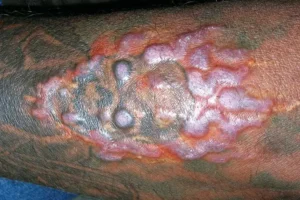
One of the most common concerns is allergic reactions. Ingredients like Neomycin can trigger redness, itching, or rash in sensitive individuals. If your skin reacts, the tattoo area can become uncomfortable and inflamed, potentially requiring additional tattoo redness and swelling treatments.
Skin Redness or Itching
Even without a full allergic reaction, Neosporin’s thick ointment can sometimes cause skin irritation, leading to persistent redness or itching. Over-the-counter options may clog pores or trap moisture, which can worsen discomfort and make the healing process more difficult.
Tattoo Discoloration
Excessive use of Neosporin may also contribute to tattoo discoloration. Because the ointment forms a heavy layer over the tattoo, it can interfere with proper ink settling, sometimes resulting in patchy spots or dull colors, diminishing the vibrancy of your artwork.
Delayed Tattoo Healing
Finally, overuse of Neosporin can delay tattoo healing. Trapped moisture and irritation can slow the natural skin repair process, prolonging scabbing, flaking, or sensitivity. For long-term tattoo care, using specialized tattoo aftercare creams from trusted Amazon brands can help avoid these side effects, ensuring your tattoo heals cleanly and looks vibrant for years to come.
Better Alternatives to Neosporin for Tattoo Aftercare
While Neosporin has its place in minor wound care, fresh tattoos require products specifically formulated for tattoo skin care. Choosing the right aftercare solution can prevent irritation, maintain ink vibrancy, and support the natural tattoo healing process. Here’s a breakdown of safer, more effective alternatives that are highly recommended by professionals and widely available on Amazon.
Fragrance-Free Tattoo Moisturizers
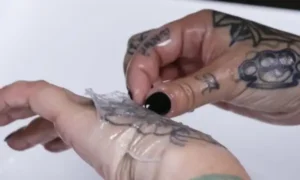
One of the simplest ways to care for a fresh tattoo is with a fragrance-free tattoo moisturizer. These creams and lotions keep the tattooed skin hydrated without clogging pores or causing allergic reactions. Consistent use helps prevent tattoo redness and swelling, reduces itching, and supports smooth healing, making them an essential part of any tattoo skin care routine.
Tattoo-Specific Healing Balms
Tattoo healing ointments and balms are specifically designed to accelerate recovery while preserving ink color. Unlike generic ointments, these products are lightweight, non-greasy, and free of harsh chemicals. Applying a thin layer of a tattoo-specific balm can soothe irritation, prevent excessive scabbing, and provide the ideal environment for the skin’s natural repair process.
Gentle Antibacterial Soap
Cleaning your tattoo properly is just as important as moisturizing. A gentle antibacterial soap helps remove dirt, sweat, and bacteria without stripping the skin of moisture. This step minimizes the risk of infection while preparing the tattoo for topical care, ensuring the tattoo healing ointment or balm works effectively.
Professional Tattoo Aftercare Products
For those seeking premium results, professional tattoo aftercare products combine hydration, protection, and gentle antibacterial properties in one. These creams, balms, and sprays are formulated to meet the needs of sensitive, tattooed skin, promoting faster recovery and helping the tattoo retain its original vibrancy. Many of these trusted products are available on Amazon, making it easy to create a complete tattoo skin care routine from home.
Investing in these tattoo-safe alternatives not only protects your skin but also ensures your artwork heals beautifully and lasts for years. By choosing the right combination of moisturizer, healing balm, and gentle cleansing, you can skip the risks of Neosporin and give your tattoo the care it truly deserves.
How to Properly Care for a New Tattoo
Proper care after getting a tattoo is essential for ensuring it heals beautifully and maintains its vibrancy. Following a consistent tattoo aftercare routine helps prevent infection, minimize irritation, and protect your investment in artwork that’s meant to last a lifetime. Here’s a step-by-step guide with practical tattoo healing tips and product suggestions that can be easily sourced on Amazon.
Keep the Tattoo Clean
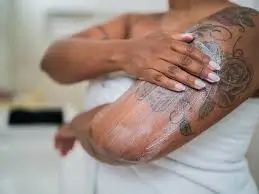
The first step in any fresh tattoo protection plan is keeping the area clean. Use a gentle, fragrance-free soap and lukewarm water to wash the tattoo 2–3 times daily. Avoid harsh scrubbing or rough towels, as these can irritate the skin and affect ink retention. A gentle antibacterial soap helps remove dirt and bacteria without over-drying, preparing your tattoo for the next step in your tattoo aftercare routine.
Apply a Safe Tattoo Moisturizer
Once the tattoo is clean and dry, apply a thin layer of a tattoo moisturizer or specialized healing balm. Avoid heavy antibiotic ointments like Neosporin, which can clog pores or irritate sensitive skin. Lightweight, fragrance-free creams lock in moisture, soothe itching, and create the ideal environment for the skin’s natural repair, making them a vital part of your fresh tattoo protection strategy.
Avoid Scratching or Picking
During the healing process, it’s normal for the tattoo to itch or develop small scabs. Resist the urge to scratch or pick, as this can lead to scarring, ink damage, and prolonged healing. Using a quality tattoo healing ointment can reduce discomfort and help maintain smooth, vibrant skin. Following this simple tip protects your artwork while supporting the overall tattoo aftercare routine.
Protect the Tattoo from Sun Exposure
Once your tattoo has healed, protecting it from UV rays is critical for long-term vibrancy. Apply a broad-spectrum sunscreen when exposed to sunlight to prevent fading and discoloration. Incorporating sun protection into your routine ensures that your tattoo remains bold and fresh, completing a full, fresh tattoo protection regimen.
By following these steps and investing in trusted tattoo-safe products available on Amazon, you can support your skin’s natural healing process, prevent complications, and enjoy a vibrant, long-lasting tattoo.
Signs Your Tattoo May Be Infected
Even with careful tattoo aftercare, complications can sometimes arise. Knowing the signs of infection is crucial for protecting both your skin and your artwork. Early detection ensures you can seek medical attention for tattoos promptly, preventing long-term damage and promoting proper healing. Understanding skin infection symptoms is part of every responsible tattoo aftercare routine.
Severe Redness
While some redness is normal after getting a tattoo, intense or spreading redness may indicate tattoo inflammation. If the area continues to redden after the first few days, it’s a warning sign that your skin might be reacting negatively or that bacteria have entered the wound.
Pus or Discharge
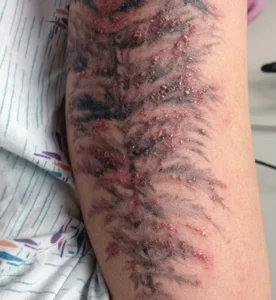
Any yellow or green pus or discharge is a clear indication of infection. This is not a normal part of healing and requires immediate attention. Clean your tattoo gently, but avoid overusing ointments like Neosporin, which can sometimes worsen irritation, and consult a healthcare professional if discharge persists.
Persistent Swelling
Slight swelling is expected initially, but prolonged or increasing swelling is a red flag. Tattoo inflammation that doesn’t subside may suggest an underlying infection, especially if combined with warmth or tenderness around the tattooed area.
Fever or Pain
Experiencing fever, chills, or significant pain beyond the usual discomfort of a fresh tattoo may signal a systemic infection. If you notice these symptoms, it’s time to seek medical attention for tattoos to prevent serious complications.
Recognizing these warning signs early is key to keeping your tattoo healthy and vibrant. Pairing careful observation with a proper tattoo aftercare routine and high-quality tattoo-safe products from Amazon ensures your skin heals smoothly while protecting the integrity of your artwork.
Who Should Use Neosporin
Knowing whether Neosporin is right for you is essential, especially when it comes to fresh tattoo care. While it can offer short-term benefits for minor skin issues, improper use may lead to irritation, allergic reactions, or delayed healing. Understanding who can safely use Neosporin and who should avoid it helps protect your skin and ensures your tattoo heals beautifully.
Who Might Use It
Neosporin can be useful for minor skin injuries near tattoos, such as small cuts or abrasions that are separate from the actual inked area. It’s also sometimes recommended as a short-term treatment under medical advice, especially if your doctor or dermatologist determines that a thin layer can help prevent infection without interfering with the tattoo healing process. In these limited cases, using Neosporin carefully can provide antibacterial skin protection while supporting wound healing.
Who Should Avoid It
Certain people should steer clear of Neosporin to prevent complications. Individuals with sensitive skin or known allergies to Neomycin are at higher risk for skin irritation, redness, or rash. Most importantly, anyone with a fresh tattoo should avoid Neosporin unless a professional explicitly advises it. Applying it too early can lead to tattoo inflammation, clogged pores, and even ink fading, which can compromise both the healing process and the vibrancy of your tattoo.
For safer alternatives, investing in tattoo-safe moisturizers and healing balms available on Amazon allows you to maintain optimal hydration, reduce irritation, and protect your artwork without the risks associated with generic antibiotic ointments. By choosing products formulated specifically for tattoos, you can follow a reliable tattoo aftercare routine and enjoy a long-lasting, vibrant tattoo.
Expert Tips for Faster Tattoo Healing
Proper care during the first few weeks can make all the difference in how your tattoo looks and feels long-term. Following expert tattoo healing tips ensures your skin recovers smoothly, reduces complications, and preserves the vibrancy of your artwork. These simple, actionable strategies combine professional advice with practical tattoo care advice you can implement at home.
Follow Your Tattoo Artist’s Aftercare Instructions
Your tattoo artist knows the best way to care for the specific work they created. Following their instructions closely is key to a healthy healing process. This includes guidance on cleaning, moisturizing, and protecting your tattoo. Ignoring professional advice can lead to tattoo inflammation or uneven healing, so treat their instructions as your roadmap to optimal skin recovery support.
Keep the Tattoo Moisturized but Not Overly Greasy
Hydration is essential for healing, but too much ointment can suffocate the skin and trap bacteria. Use a lightweight, fragrance-free tattoo moisturizer or tattoo healing ointment to keep the area soft and supple. Regular moisturizing helps reduce scabbing, prevent itching, and supports the skin’s natural repair process without interfering with ink settling.
Wear Loose Clothing Over the Tattoo
Tight clothing can rub against a fresh tattoo, causing irritation or even scabbing. Opt for loose-fitting garments over the tattooed area to allow the skin to breathe. Minimizing friction not only prevents discomfort but also ensures the ink heals cleanly, making it an important part of any tattoo aftercare routine.
Stay Hydrated for Better Skin Healing
Drinking plenty of water may not seem directly related to tattoo care, but proper hydration supports overall skin health. Well-hydrated skin recovers faster, reduces inflammation, and maintains elasticity, all of which contribute to smoother skin recovery support. Combined with proper aftercare, staying hydrated helps your tattoo look vibrant and fresh for years.
By following these expert tips and pairing them with high-quality, tattoo-safe products available on Amazon, you can speed up healing, protect your skin, and preserve the artistry of your new tattoo.
FAQs
Can I use Neosporin on a fresh tattoo?
While Neosporin is an antibiotic ointment, applying it directly to a fresh tattoo is generally not recommended unless advised by a professional. It can clog pores, irritate sensitive skin, and potentially affect the vibrancy of your ink. Tattoo-specific aftercare creams are a safer option, helping the skin heal while maintaining color and preventing infection.
What are the risks of using Neosporin on tattoos?
Using Neosporin on tattooed skin can cause allergic reactions, redness, itching, and even delayed healing. Its thick ointment can trap moisture and bacteria, increasing the risk of scabbing issues or irritation. Over time, improper use may also cause patchy ink or fading, which is why tattoo-safe products are preferred.
Are there safer alternatives to Neosporin for tattoo aftercare?
Yes. Fragrance-free tattoo moisturizers, tattoo-specific healing balms, and gentle antibacterial soaps are safer alternatives. These products are designed to hydrate, protect, and promote natural skin repair without the risk of irritation or clogging pores, supporting smooth and vibrant healing.
How often should I apply a tattoo moisturizer?
Tattoo moisturizers should be applied 2–3 times a day, or whenever the skin feels dry. Over-application can suffocate the skin, while under-application may lead to excessive scabbing or itching. Using a thin, consistent layer ensures optimal hydration and supports the natural healing process.
Can Neosporin prevent tattoo infections?
Neosporin does have antibacterial properties that can prevent infections in minor cuts, but for tattoos, its thick formula and potential allergens can cause more harm than good. Specialized tattoo aftercare products are designed to minimize the risk of infection while supporting safe healing.
When should I seek medical help for my tattoo?
If you notice severe redness, pus or discharge, persistent swelling, fever, or unusual pain, it’s important to consult a healthcare professional immediately. These can be signs of a skin infection that requires prompt treatment to prevent long-term damage.
Can Neosporin cause allergic reactions on tattoos?
Yes. Ingredients like Neomycin in Neosporin are known allergens for some individuals. Allergic reactions can result in redness, itching, rashes, and inflammation, which may disrupt healing and affect the tattoo’s appearance.
Is it safe to use Neosporin on small cuts near a tattoo?
Neosporin can be used on minor skin injuries near tattoos, as long as it does not come in direct contact with the fresh ink. Applying it carefully to surrounding cuts can prevent infection without interfering with tattoo healing.
How long does a tattoo typically take to heal?
A fresh tattoo usually takes about 2–3 weeks to heal on the surface, with complete skin recovery taking up to 6 weeks. Healing time depends on aftercare, skin type, and tattoo size. Proper hydration and protection are key for maintaining ink vibrancy.
Should I cover my tattoo while it heals?
Immediately after getting a tattoo, your artist may cover it with a sterile bandage for a few hours. After that, it’s important to let the tattoo breathe while keeping it clean. Avoid airtight coverings for prolonged periods, as this can trap moisture and increase the risk of irritation.
Can Neosporin cause ink fading?
Yes. Excessive use of Neosporin on a fresh tattoo can create a thick barrier that prevents proper healing and ink settling. This can result in patchy areas or dull colors, which is why tattoo-safe products are recommended.
What is the best way to prevent tattoo scabbing?
Keeping your tattoo hydrated with a lightweight, fragrance-free moisturizer or tattoo-specific healing balm helps minimize scabbing. Avoid scratching or picking at the tattoo, and follow your artist’s aftercare instructions carefully for smooth, even healing.
Can I use Neosporin long-term on a tattoo?
Neosporin is intended for short-term use on minor wounds. Long-term use on tattooed skin is not advised, as it can increase the risk of irritation, allergic reactions, and delayed healing. Long-term care should focus on gentle moisturizing and sun protection.
How do I soothe itching during tattoo healing?
Itching is a normal part of the healing process. Use a gentle tattoo moisturizer or balm to relieve discomfort. Avoid scratching or picking, which can cause tattoo irritation or even scarring. Light tapping or applying a cool, clean compress can also help.
Can sun exposure affect a healing tattoo?
Yes. UV rays can fade a fresh tattoo and irritate healing skin. After the tattoo has healed, applying broad-spectrum sunscreen helps preserve color and prevents skin inflammation, ensuring your tattoo looks vibrant for years.
Conclusion
Using Neosporin on a tattoo may offer short-term antibacterial protection, but it comes with risks like allergic reactions, skin irritation, and potential ink fading. While it can help prevent infection in minor skin injuries, tattoos require specialized care to support proper healing. Tattoo-safe moisturizers, healing balms, and gentle cleansing products are often safer and more effective choices for maintaining color and skin health.
Before applying any antibiotic ointment, it’s always best to consult your tattoo artist or dermatologist to ensure you’re making the right decision for your skin type and tattoo. Following a consistent tattoo aftercare routine with professional guidance helps minimize complications, reduce inflammation, and supports the natural skin recovery process. By prioritizing proper care, your tattoo can heal safely, remain vibrant, and provide long-lasting results that you’ll proudly show off.